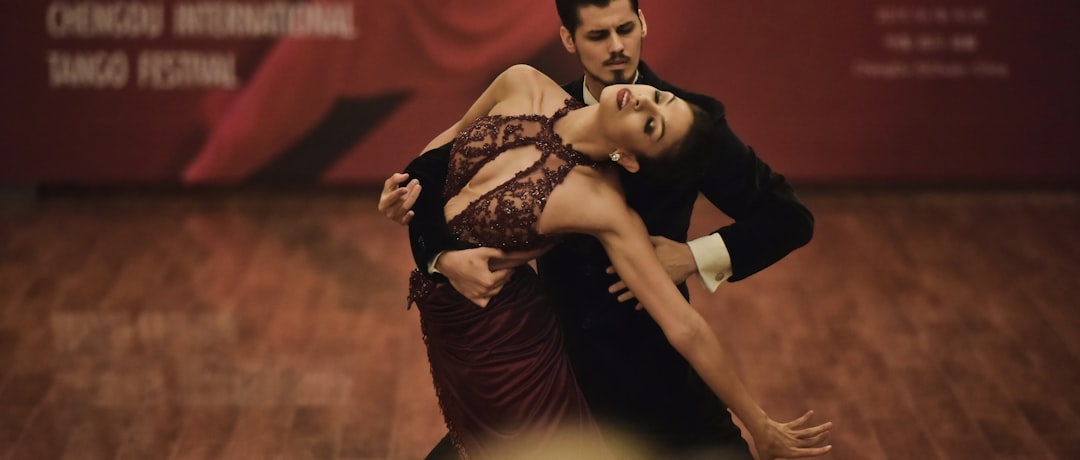
After twenty years teaching at regional ballet academies and pre-professional programs—and watching hundreds of students advance from tentative first positions to commanding stage presence—I've learned that breakthrough moments rarely come from simply logging more hours at the barre. They come from strategic, targeted work on the elements that separate adequate dancers from compelling ones.
Whether you're a pre-pointe student struggling with stability, an advanced dancer preparing for YAGP finals, or an adult returning after a decade away, this guide addresses the specific technical, physical, and artistic investments that actually move the needle.
First: Diagnose Your Real Weaknesses
Most dancers obsess over perceived flaws while neglecting foundational gaps. Before restructuring your training, get honest feedback from multiple sources:
- Film yourself monthly in class and rehearsal, then compare to professional footage with specific attention to: timing of your preparation into pirouettes, the depth and rebound quality of your plié, and whether your port de bras initiates from the back or the shoulder
- Schedule a private lesson with a teacher outside your regular studio—fresh eyes catch habitual compensations your primary instructors have normalized
- Request a physiotherapy assessment focusing on single-leg stability and hip rotation range; many "flexibility" problems are actually strength or neuromuscular control issues
"Dancers often over-recruit their global muscles when the local stabilizers aren't firing," notes Julie Daugherty, physical therapist for American Ballet Theatre. "You can spend years stretching a hip that actually needs better motor control."
Build a Core That Serves Your Line
Your core is indeed foundational, but the wrong exercises create the very problems you're trying to solve. Traditional crunches shorten the rectus abdominis, encouraging the tucked pelvis that destroys the elongated spinal line ballet demands.
Replace generic ab work with:
- Dead bugs with exhale-controlled lowering: Builds deep transverse abdominis engagement without hip flexor dominance
- Pallof presses in first position: Trains anti-rotation stability specific to maintaining turnout during traveling steps
- Slow-motion roll-downs with breath coordination: Develops the sequential spinal articulation essential for controlled cambrés and falls
At this stage:
- Pre-pointe students: Master supine core control before adding standing complexity
- Advanced dancers: Progress to unstable surfaces (Bosu, foam pad) to challenge proprioception
- Returning adults: Prioritize diaphragmatic breathing integration—years of desk work disrupts the breath-core connection
Alignment as Dynamic, Not Static
"Shoulders down" is incomplete advice. The ballet torso requires active opposition: shoulders balanced over hips, yes, but with the sternum lifting and the scapulae widening, not pinned. The French term épaulement—literally "shouldering"—describes the three-dimensional relationship between shoulder, head, and arm that transforms mechanical positions into living portraiture.
Practice this sequence at the barre:
- Establish your neutral pelvis (ASIS and pubic symphysis vertical)
- Float the arms to first position, initiating from the latissimus dorsi, not the deltoids
- Allow the clavicles to widen as the lower ribs narrow—feel the breath expand the back, not the belly
- Turn the head with the eyes leading, not the chin thrusting
Check your reflection for the "piano hands" or "broken wrist" habits that creep in during fatigue. The arm is a continuous line from shoulder blade to middle finger, energized but never rigid.
Turnout From the Source
Perhaps no element suffers more from misguided training than turnout. Leg swings and calf raises—the exercises often prescribed—address neither the anatomical source nor the neuromuscular control required.
Turnout originates from the deep six external rotators (piriformis, gemelli, obturators, quadratus femoris) beneath the gluteus maximus. To access them:
- Clamshells with external rotation emphasis: Keep feet together, open only the top knee, and visualize the movement initiating from the back pocket, not the hip crease
- Standing passé holds against the wall: Heel to knee, knee turned out, standing leg firmly rooted—hold 30-60 seconds, focusing on the sitting bone to heel imagery that maintains activation without gripping
- Frog position on your back: Knees bent, soles together, allow gravity to open the hips while maintaining lumbar neutrality—never force the knees toward the floor
Critical distinction: Never force turnout from the knees or ankles. The "screwing" motion that creates the appearance of 180 degrees destroys knee cartilage and Achilles tendons. Work within your structural turnout, then strengthen the musculature that supports it.








