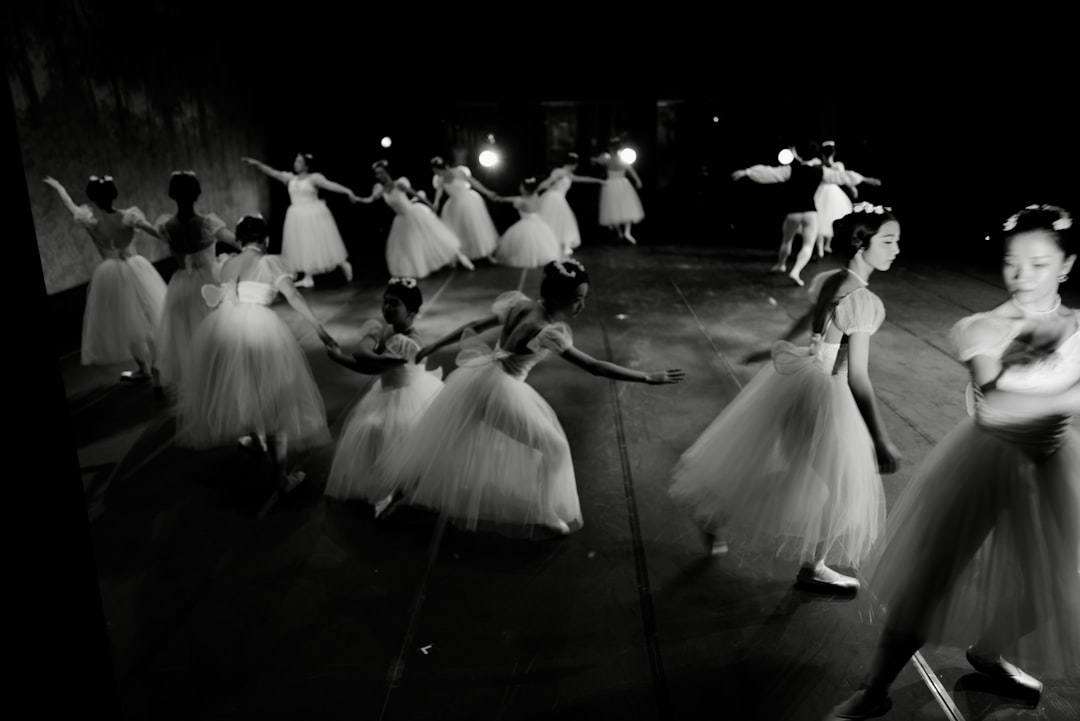
You've been dancing salsa for a while now. You know your basic step, can manage a simple turn, and you don't step on your partner's feet anymore (mostly). But something's missing. Watch the advanced dancers at your studio—the way their hips seem to move independently from their shoulders, how they hit every accent in the music like they wrote it themselves. That gap between "competent" and "captivating"? It's smaller than you think.
Isolation: The Secret Behind Those Mesmerizing Hips
Here's what beginners don't realize: when a pro dancer moves their hips while their upper body stays perfectly still, they're not gifted with magic anatomy. They've mastered isolation—the art of moving one body part while keeping others locked in place.
Start simple. Stand in front of a mirror and try moving just your chest forward and back. Not your shoulders, not your hips—just your ribcage. It feels weird at first, almost puppet-like. Once you get comfortable, add hip isolations. In salsa, this separation creates those fluid, sensual movements that make the dance so visually striking. Your hips become a conversation while your upper body stays composed, like a duck paddling calmly above water while its feet work furiously below.
Musicality: Dancing *With* the Music, Not Just *To* It
Anyone can count 1-2-3-pause. Intermediate dancers hear the music differently—they anticipate breaks, play with syncopation, and know when to hold a pose for dramatic effect.
Spend a week listening to Latin music without dancing. Just listen. Notice how the congas drive certain beats while the horns signal transitions. In cha-cha, that distinctive "cha-cha-cha" isn't just rhythm—it's your cue to add personality. The really good dancers? They'll deliberately delay a step by half a beat just to create tension. It's like the dance equivalent of a well-timed joke.
Partner Connection: It's Not About Grip Strength
Nothing kills a dance faster than a death grip. Your partner isn't a steering wheel.
Connection happens through your frame—specifically, the tension in your arms and back that lets you communicate weight shifts and direction changes. In bachata, a slight increase in palm pressure signals "prepare to turn." A micro-shift in weight says "we're moving left now." The magic happens in the subtlety. Think of it like holding a conversation where words aren't necessary.
Trust matters too. As a follower, resist the urge to anticipate. As a leader, commit to your signals—half-hearted leads create confused followers. Dance with the same partner regularly and you'll develop a shorthand that makes everything smoother.
Styling: Your Dance Fingerprint
At the intermediate level, you earn the right to break some rules. Samba doesn't have to be rigid footwork—you can add a playful bounce, throw in an unexpected arm sweep, or play with timing. I've seen dancers turn a basic step into something memorable just by adding a shoulder roll at the right moment.
The caveat? Styling should feel natural, not performed. If you're thinking "now I do the dramatic arm thing," it'll look choreographed in the wrong way. Let it emerge from how the music makes you feel.
Core Strength: The Unsung Hero
This isn't about six-pack abs for aesthetics. A strong core is what keeps you upright during fast spins, what lets you hip-roll without losing balance, what makes your movement look controlled rather than flailing.
Pilates changed my dancing more than any technique class ever did. Planks, leg lifts, that horrible-but-effective exercise where you hold a boat pose—all of it translates directly to better turns, sharper isolations, and the stamina to dance all night without your lower back screaming.
The Practice Trap (And How to Avoid It)
Practice doesn't make perfect. Practice makes permanent. If you practice a wrong turn a thousand times, you've just gotten really good at doing it wrong.
Film yourself. It's painful to watch, I know. But you'll catch things—posture collapsing during spins, arm positions that looked better in your head, timing that drifts. Take one technique per week and obsess over it. Get feedback from people who are better than you. And sometimes, just dance for the joy of it without analyzing every step.
The Soul of the Dance
Technical perfection without emotion is just gymnastics in heels. Latin dance grew from celebration, heartbreak, community, defiance. Salsa has its roots in Cuban son and Afro-Caribbean rhythms. Bachata emerged from the rural bars of the Dominican Republic. Every step carries history.
Go watch the old-timers at a Latin club—the ones who've been dancing since before studios taught "proper" technique. They might not have textbook form, but they have sabor—flavor. That comes from dancing with feeling, not just precision.
So yes, work on your isolations. Drill your timing. Build that core. But never forget why you started dancing in the first place. The best dancers aren't the ones with perfect technique—they're the ones you can't stop watching.
---
Now go put on some Marc Anthony and practice like someone's watching.










