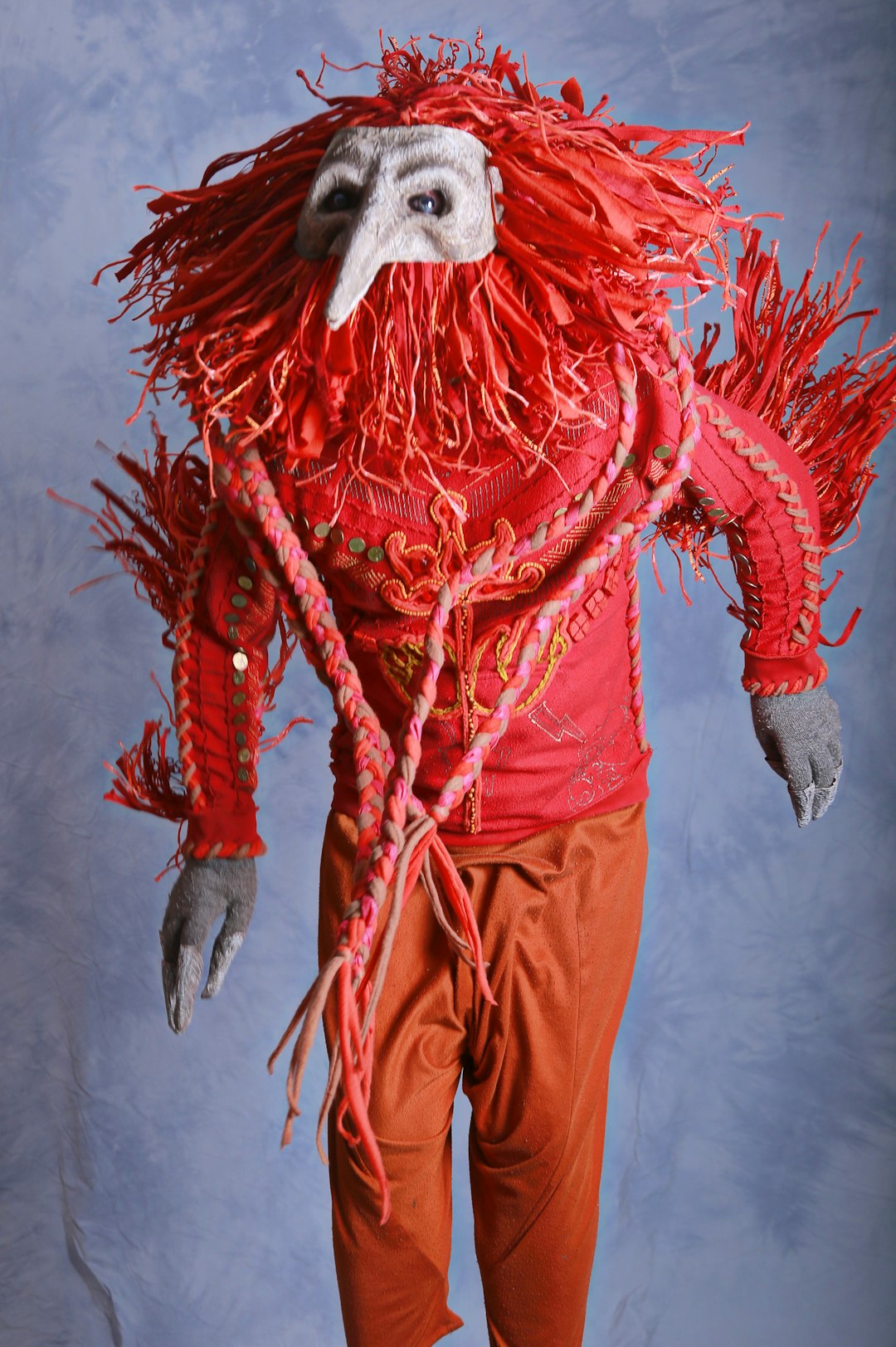
Where technique meets artistry, and steps transform into stories. This is the realm where dancers become artists, and variations become legends.
You’ve conquered the double pirouette, your développé is sky-high, and your allegro is sharp and precise. The foundational technique is solid, ingrained in muscle memory. Now, the real journey begins. Mastering a complex ballet variation—the solo pieces that define characters, showcase virtuosity, and separate the corps from the principals—requires a paradigm shift. It's no longer just about executing steps correctly; it's about embodying a narrative, managing profound athletic demand, and making fiendishly difficult choreography look effortless. This guide is your roadmap for that ascent.
The Pro Mindset: From Dancer to Storyteller-Athlete
Before you mark the first step, shift your perspective. A variation is not a combination. It's a three-minute opera. Every glance, every port de bras, every breath is part of the score.
Your Pre-Rehearsal Checklist:
- Context is King: Don't just learn Giselle's Act I variation. Understand she's a peasant girl in love, flirting, playing, her heart overflowing. Know why Kitri's jumps are bold and cheeky, and why Odette's adagio is languid and sorrowful. Watch the full ballet, read the synopsis, listen to the music away from the studio.
- Deconstruct the Score: Listen to the variation music on loop. Identify the phrases, the crescendos, the pauses. Where is the violin singing? Where does the cello mourn? Your movement must be an extension of the orchestra, not just happening on top of it.
- Embrace the "Why": Why does this step follow that one? Is it an escape? A plea? A moment of joy? Assigning intention to every transition transforms a sequence of steps into a logical, emotional journey.
The Layered Learning Process
Attack the variation in strategic, isolated layers. Trying to absorb everything at once leads to muddy technique and absent artistry.
- Layer 1: The Skeleton (Feet & Legs): Mark it slowly, focusing solely on the footwork and leg pathways. Ignore arms, head, and timing. Use a chair for balance. Goal: Neural pathway for the lower body blueprint.
- Layer 2: The Architecture (Torso & Arms): Add the port de bras, épaulement, and core engagement. Do it standing still, then with simple weight shifts. How does the torso initiate or follow the leg movement?
- Layer 3: The Rhythm (Musicality): Now, layer on the precise musical timing. Clap the rhythm, sing it, dance it with just your head and arms. Find where you play *on* the music and where you move *through* it.
- Layer 4: The Spirit (Artistry & Face): Finally, add the eyes, the focus, the breath, the facial expression. This is where you become the character. Practice in front of a mirror, then away from it.
Decoding Iconic Variations: A Strategic Breakdown
Let's apply this layered approach to specific marathon-level variations.
Kitri, Act I (Don Quixote)
Core Challenge: Sustained, explosive athleticism with coquettish character.
Pro Tip: The famous diagonal of piqué turns and jetés isn't just about speed; it's about Kitri showing off. Attack the direction, not just the steps. Think "I'm flying across the plaza," not "I need to get these 12 turns in." Conserve energy in preparatory steps to explode when it counts.
Giselle, Act II (Giselle as a Wili)
Core Challenge: Ethereal, weightless quality while executing slow, controlled adagio with pristine balance.
Pro Tip: The breath is your secret weapon. Inhale to prepare, exhale through the développé and balance. Imagine your limbs moving through water or thick air. The artistry is in the *transitions*, not the poses. Make the preparation for the arabesque as beautiful as the arabesque itself.
Odile, Black Swan Pas de Deux (Swan Lake)
Core Challenge: Projecting seductive, commanding villainy while executing some of ballet's most technically demanding fouettés and pirouettes.
Pro Tip: Odile is not just "bad." She is a master manipulator playing a role. Your eyes and smile are tools. Practice the variation with two minds: the technical execution and the character's manipulative intent. The 32 fouettés are her triumphant, mocking victory lap—channel that arrogance into your spotting.
Beyond the Studio: Complementary Training
You cannot master a variation by only rehearsing the variation.
- Targeted Strength & Conditioning: Is the variation jump-heavy? Prioritize plyometrics. Balance-centric? Train single-leg stability on a Bosu. Turn-heavy? Build rotator strength.
- Cross-Training for Resilience: Pilates for deep core control. Gyrotonic for spinal articulation and flow. Swimming for cardio without impact.
- Mental Rehearsal: Visualize the variation perfectly before sleep. Studies show mental practice activates the same neural pathways as physical practice. See yourself nailing the turns, feeling the character, hearing the applause.
The Final Ascent: From Studio to Stage
The last 10% is about adaptation and presence.
Stage-Readiness Drills:
- Run it "Cold": Do your full variation as the first thing in your practice, no warm-up (be safe, but simulate performance adrenaline).
- The "Distraction" Test: Have a friend clap, call out, or stand in your sightline while you dance. Can you stay in character?
- Energy Management: Map the variation's "energy budget." Where can you be 100%? Where can you be 80% to save fuel for the climax? A performance is a marathon, not a series of sprints.
Mastering a complex variation is the ultimate synthesis of athlete, artist, and intellectual. It is a deeply personal conquest. It requires patience to build it layer by layer, the courage to infuse it with your own interpretation, and the wisdom to know that true mastery is a horizon—you forever approach it, and in that pursuit, you become more than a dancer. You become a vessel for something timeless. Now, go claim your variation. The stage is waiting.