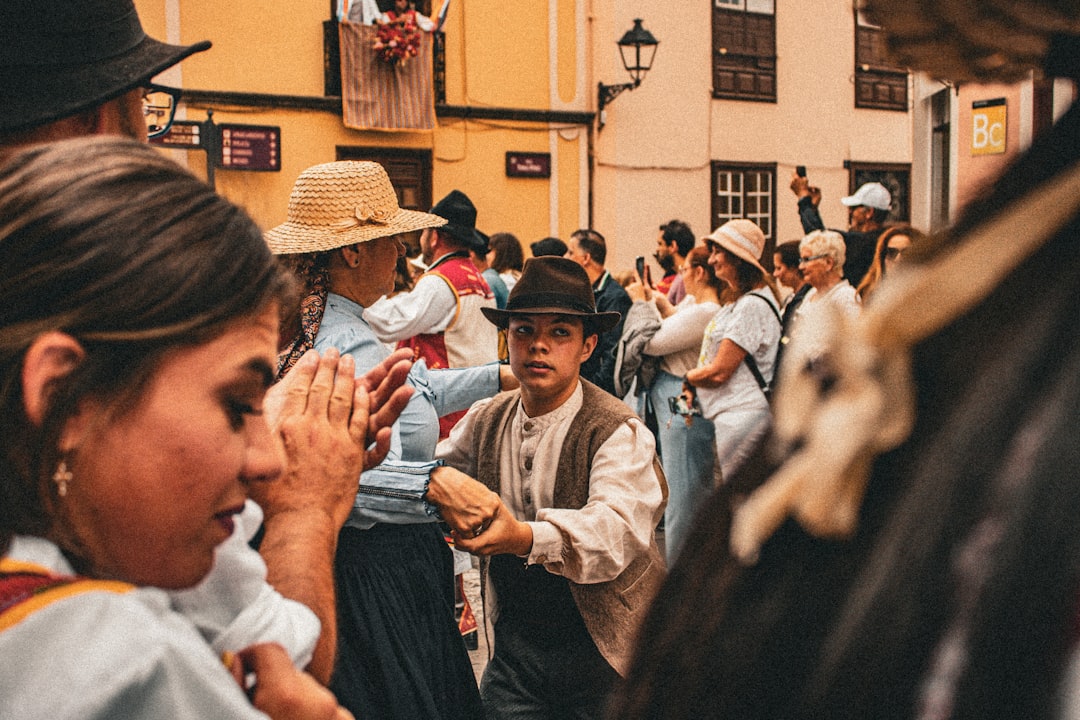
Moving past the 12-count cycle into the realm of true rhythmic mastery, where time breathes, bends, and burns.
You've conquered the foundational compás of Soleá, navigated the lively currents of Alegrías, and can mark the 12-beat cycle in your sleep. Congratulations. But here, in the space beyond the basics, is where flamenco truly lives—not in the rigid counting of beats, but in the dynamic, living conversation between rhythm, silence, and anticipation. This is the territory of the advanced aficionado and artist.
Mastering advanced compás isn't about learning more patterns; it's about deepening your understanding of time itself within the flamenco idiom. It's about manipulation, implication, and profound communication with singers, dancers, and other guitarists.
Core Concept: Advanced compás work shifts from marking the time to playing with the time. It's the difference between saying the words and writing the poetry.
1. The Art of *Contratiempo* (Off-Beats & Syncopation)
True rhythmic sophistication lives in the spaces between the main accents. Contratiempo is the deliberate emphasis on the weak part of the beat or the subdivision, creating tension and forward momentum.
Practical Application:
- In Bulerías: Instead of accenting beats 12, 3, 6, 8, 10, try phrasing that starts on the "&" of 11, or accenting the subdivisions on beats 2 and 7. This creates a dizzying, propulsive effect that pushes the rhythm forward.
- In Soleá: Layer a melodic falseta that emphasizes the "and" of beat 10, leading powerfully into the accent on 12. This creates a heartbreaking sense of suspension.
Advanced *Contratiempo* Phrasing: 12 1 & 2 & 3 4 5 & 6 & 7 & 8 9 & 10 & 11 &
2. *Abanico* Rítmico: The Rhythmic Fan
This is the concept of varying density within a palo. Imagine a fan that opens and closes. Your playing should do the same—moving from sparse, resonant single notes (the closed fan) to dense, rapid bursts of picado, rasgueado, or alzapúa (the fan wide open).
The master controls the intensity and information density of each cycle, building and releasing tension not just melodically, but rhythmically.
3. Masterful Displacement and *Anticipación*
This is the high-wire act. It involves starting a phrase a half-beat early or late, or extending a phrase across the natural compás boundary, creating a thrilling sense of risk and resolution.
- The Setup: Establish a rock-solid, simple rhythm for a few cycles so everyone in the group feels the "home" base.
- The Displacement: Launch a phrase that logically seems to start on beat 1, but you begin on the "&" of 12. The entire phrase now sits in a new, skewed relationship to the underlying pulse.
- The Resolution: The magic lies in landing perfectly, with undeniable clarity, back on the strong accent (e.g., beat 12 of the following cycle). If done well, it elicits collective ¡olé! from those who feel the journey.
The Ultimate Truth
These techniques are not tricks. They are a vocabulary for emotion. A displaced accent can sound like a sigh of regret. A sudden burst of rhythmic density can feel like a burst of joy. Mastery means making the rhythm weep, laugh, and defy.
4. Deep *Palo* Hybridization: *Soleá por Bulerías* & Beyond
Advanced players don't just play palos; they blend their essences. Soleá por Bulerías is the prime example—the solemn, profound weight of Soleá phrased within the shorter, faster, more flexible 12-count cycle of Bulerías.
Exercise: Take a Soleá falseta you know. Now, play it against a Bulerías compás (accenting 12, 3, 6, 8, 10). Adjust the tempo and phrasing. Feel how the meaning of the melody shifts. You are now speaking a dialect.
5. Active Listening & Collective *Compás*
At the advanced level, your compás is not your own. It is a shared, living entity with the singer's breath, the dancer's stomp, the cajón player's slap.
Your new goal: Listen not to confirm the beat, but to respond to the rhythmic nuances of others. Is the singer lingering on beat 10? Support that tension by thinning your texture. Is the dancer building to a llamada? Anticipate it with a crescendo in your strumming. This is the true conversation of flamenco.
The Path Forward
Mastering these concepts requires one thing above all: time in the juerga (informal flamenco gathering). Play with others. Record yourself. Listen back mercilessly. Transcribe not just notes, but the rhythmic placement of great masters like Paco de Lucía, Vicente Amigo, or Diego del Morao.
Forget about playing fast. Focus on playing deep. Let your compás breathe, stall, surge, and whisper. When you move from being a keeper of time to a sculptor of time, you cross the threshold from student to artist.