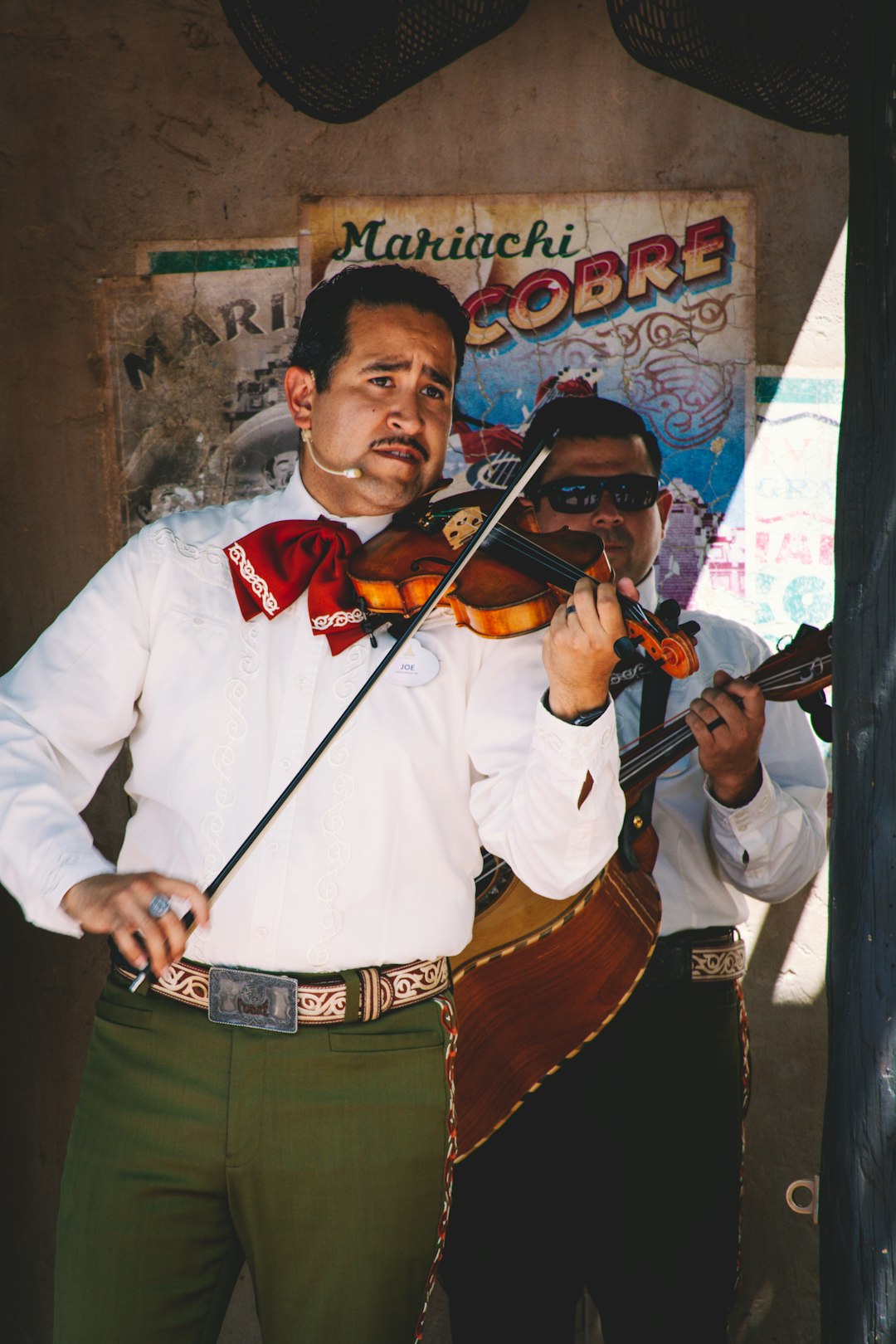
Folk dance is a living tradition—one that carries the history, values, and social bonds of communities across generations. Whether you've been dancing for months or years, developing genuine proficiency requires moving beyond memorized steps to understand the deeper mechanics and cultural contexts that make each tradition distinct. This article outlines five foundational skills that bridge beginner enthusiasm and advanced mastery, with specific pathways for growth in each area.
1. Cultural Understanding: The Foundation of Authenticity
Before advanced technique comes deep respect for where the dance originates. Folk dance is never merely choreography; it is embedded in specific celebrations, social structures, and historical moments.
Concrete steps to build cultural knowledge:
-
Study with cultural bearers. Seek teachers who grew up within the tradition, not just those who learned it secondhand. Their embodied knowledge includes subtleties—how a dance feels at a village wedding, how generations interpret the same steps differently—that cannot be transmitted through notation alone.
-
Learn functional language. You need not become fluent, but understanding basic calls, song lyrics, and social terminology transforms your relationship to the material. A Romanian hora dancer who recognizes when the strigătură (rhyming call) signals a tempo change responds with cultural competence, not just technical accuracy.
-
Attend social events, not just performances. Stage presentations flatten folk dance into spectacle. Dancing at a Greek panegyri, Bulgarian sbor, or Irish céilí reveals how formations shift organically, how non-dancers participate, and how the dance functions in community life.
-
Research historical specificity. The same dance name often covers multiple eras of development. A csárdás from 18th-century Hungary differs significantly from 20th-century urban adaptations. Know which version you are learning and why.
2. Musicality: From Counting to Conversation
Musicality in folk dance extends far beyond staying on beat. It encompasses your relationship to melody, the conversation between dancer and musician, and the rhythmic structures particular to each tradition.
Progressive exercises for development:
Beginner: Listen to recordings without moving. Map the melodic phrases against the underlying meter. Where does the melody breathe? Where does it drive forward?
Intermediate: Dance to live musicians when possible. Recorded music is fixed; live performance requires you to respond to tempo variations, ornamentation, and the collective energy of the moment. Practice anticipating the lift before a tempo increase in Bulgarian pravo horo, or the subtle rubato in a slow Hungarian magyaros.
Advanced: Master asymmetric meters. Many folk traditions employ meters rare in Western popular music—7/8 (quick-slow-slow), 9/8, 11/16. Do not merely count these; internalize them through body percussion, vocalization, and eventually movement that emphasizes the distinctive rhythmic pattern. A čoček in 7/8 should feel fundamentally different in your body than a waltz in 3/4.
Tradition-specific depth: In Polish mazurka, the accent falls on the second or third beat, not the first. In Scandinavian polska, the relationship between dancer and fiddle's nyckelharpa creates a shared pulse that transcends strict meter. Study how your specific tradition conceptualizes time.
3. Improvisation: Structure Within Freedom
Improvisation in folk dance is not random movement. It operates within culturally defined parameters—specific moments when individual expression is expected, and conventions governing what that expression may include.
Understanding improvisational frameworks:
| Tradition | Improvisational Structure | Leader's Role |
|---|---|---|
| Greek syrtos | Dancer at line end improvises turns, arm movements | Maintains line direction, signals transitions |
| Bulgarian horo | Individual ornamentation within fixed meter and steps | May initiate tempo changes, calls variations |
| Albanian valle | Collective improvisation on basic step pattern | Often rotates; leadership is temporary |
| American clogging | Rhythmic footwork improvisation | Solo or group; competitive or social contexts differ |
Practice method: In group settings, designate rotating leaders who must signal transitions clearly while others maintain the collective pattern. Record and analyze: did your improvisation enhance the group's energy, or distract from it? True mastery serves the social function of the dance.
4. Partner and Line Dynamics: The Physics of Connection
Folk dance connection differs fundamentally from ballroom or social partner dance. It must sustain through hours of dancing, accommodate varying skill levels, and function in lines, circles, and scattered formations—not just couples.
Technical foundations:
Frame and tension: Hungarian csárdás turning relies on shared tension through the arms, not rigid position. Practice finding the minimum effective connection—too loose and