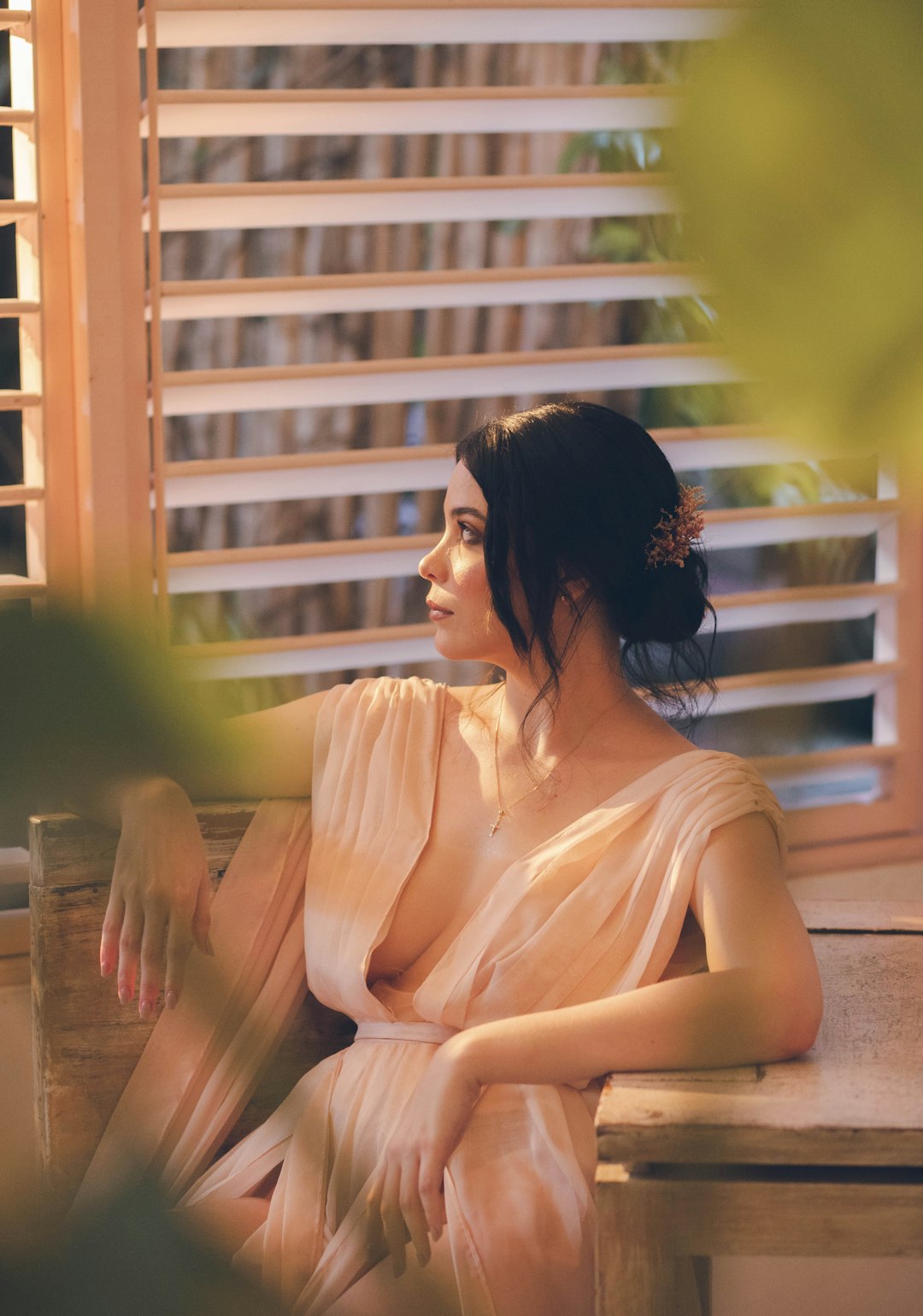
The lights dim. A single piano note hangs in the air, and the audience leans forward. When Maddie Ziegler performed to Sia's "Chandelier" in 2014, millions watched a twelve-year-old channel anxiety, release, and fragile hope—not through technical tricks, but through an almost uncanny synchronization with the music's emotional architecture. That performance didn't just go viral; it redefined what mainstream audiences expected from lyrical dance. The secret wasn't in the steps. It was in the listening.
What Lyrical Dance Actually Means
Emerging from the fusion of ballet's technical precision and jazz's expressive freedom, lyrical dance prioritizes narrative and emotional transparency over choreographic complexity. Unlike contemporary dance, which may resist or abstract musical interpretation, or ballet, which often maintains formal distance from its score, lyrical dance treats music as a direct emotional conduit. The form crystallized in the 1970s and 80s as choreographers sought to bridge the gap between concert dance and accessible storytelling, borrowing from the emerging music video aesthetic where movement served lyric and mood.
This distinction matters. A ballet dancer interprets Tchaikovsky through established vocabulary and historical tradition. A hip-hop dancer might ride a beat, ignore it, or fracture it entirely. The lyrical dancer does something more vulnerable: they attempt to become audible, to make the audience feel what they hear.
The Emotional Architecture of Song Selection
Not all emotionally resonant music suits lyrical dance. The form has developed unspoken preferences that reveal its core values.
Adele's "Someone Like You" became a competition staple not for technical complexity but for narrative arc—the quiet piano opening invites introspective, contained movement, while the chorus's full orchestration demands expansive, release-based phrasing. Dancers must map their emotional trajectory to this musical structure, building from restraint to abandon. Compare this to aggressive rock or dense electronic production: the emotional content may be present, but the sonic density often fights against the clarity of gesture that lyrical dance requires.
Historically, lyrical dance favors ballads and singer-songwriter material—songs where vocal delivery carries narrative weight and instrumental arrangements build with discernible progression. The ideal track offers lyrical clarity (can the story be understood without reading lyrics?), emotional trajectory (does it move from one psychological state to another?), and structural breathing room (are there dynamic shifts that movement can mirror?).
The Technical Vocabulary of Musical Response
When editors suggest dancers "adapt to dynamics and tempo," they gesture toward sophisticated skills rarely named in studio practice.
Rubato and the Dancer's Breath
Vocal-driven tracks rarely maintain mechanical tempo. Singers stretch phrases, anticipate beats, or fall behind them—techniques collectively called rubato. For lyrical dancers, this creates a technical problem: how do you synchronize with instability? The solution lies in treating the voice as a partner rather than a metronome. Advanced dancers learn to breathe with the singer, using the preparation before a vocal entrance as choreographic negative space, then releasing into movement that matches the vocal weight.
Texture and Spatial Design
Solo piano suggests different movement quality than full band arrangement. Sparse instrumentation invites intimate, detailed gesture—finger extensions, head tilts, weighted transitions through the floor. Dense production demands broader spatial occupation, higher verticality, movement that can compete for attention without becoming frantic. Choreographers speak of "matching the room tone": a dancer performing to Jeff Buckley's spare "Hallelujah" occupies space differently than one responding to the orchestrated climax of a Broadway ballad.
Strategic Silence
The most sophisticated musical moments in lyrical dance often involve not sound but its absence. A held rest before the final chorus, a vocal drop-out leaving only strings—these create what choreographers call negative space opportunities. The still dancer becomes more visible, more urgent. The audience leans in. The return of sound, when it comes, lands with physical impact.
Practical Criteria for Music Selection
For dancers and teachers navigating unlimited streaming libraries, selection criteria have become essential:
| Consideration | Beginner Application | Advanced Application |
|---|---|---|
| Tempo range | 76-108 BPM; predictable pulse for timing security | Variable tempos, including rubato and accelerando |
| Structural clarity | Clear 32-count phrases, obvious verse-chorus architecture | Asymmetric forms, through-composed narratives |
| Lyrical content | Age-appropriate themes, unambiguous emotional content | Ambiguity, metaphor, emotional complexity |
| Edit points | Natural fades or sustained final notes | Complex internal editing for competition time limits |
Competition choreography presents particular challenges. A four-minute song must often fit ninety seconds. The best edits preserve not just the hook but the emotional journey—finding a miniature arc within the larger structure rather than simply cutting to the loudest moment.