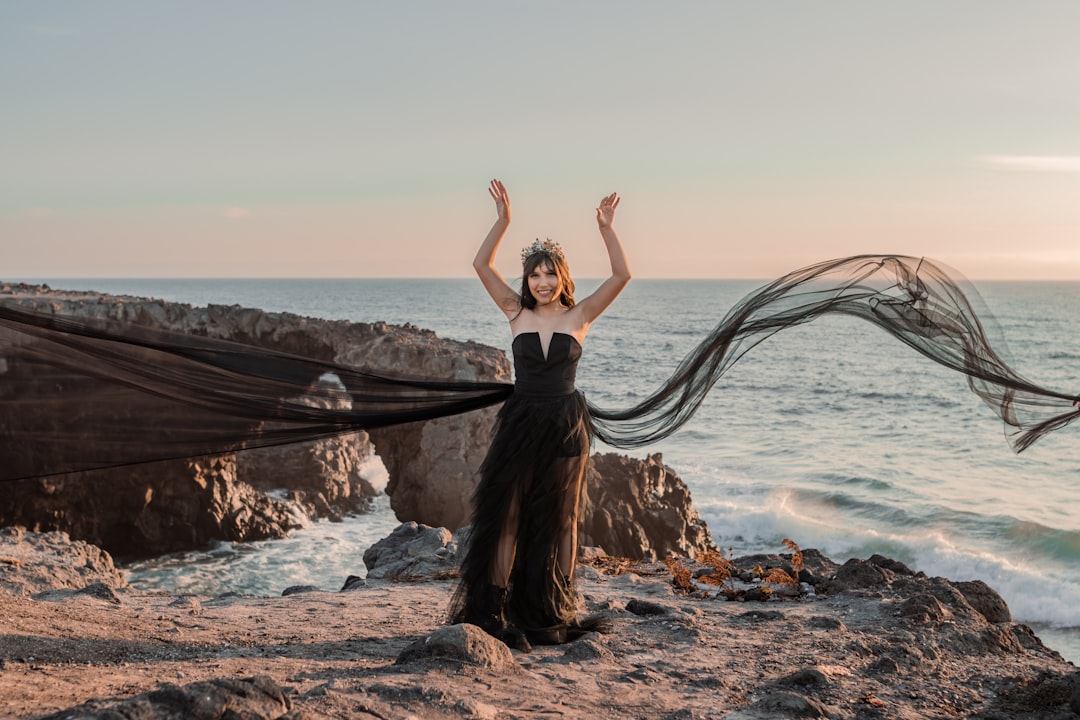
You're in rehearsal. The choreographer asks you to enter "when the sound becomes breath"—and you freeze. The music has no clear downbeat, no steady pulse to grab onto. This is the moment that separates intermediate contemporary dancers from beginners: when timing becomes a choice, not just a reflex.
In contemporary dance, timing encompasses far more than staying on the beat. It includes breath phrasing, weight transfer timing, your relationship to other dancers, and dramatic suspension. Mastering these layers transforms competent dancers into compelling ones. Here's how to develop timing that serves your artistic expression.
Listen Deeply: Mapping Musical Architecture
Start by expanding how you hear. Contemporary scores often feature atonal compositions, polyrhythms, conflicting time signatures, silence as structure, or text and spoken word as primary "music."
Rather than hunting for the beat, map the music's architecture: Where does the melodic line suspend? Where does the percussion drive? Notice tensions between rhythmic layers—perhaps a steady pulse in the strings against fractured spoken word. Contemporary timing lives in these tensions: arriving late to a downbeat, or moving through silence with the same commitment you'd give a crescendo.
Practice with scores that challenge you. Try identifying three non-rhythmic elements you could use as timing cues: a breath in the vocals, a textural shift, a dramatic pause.
Count Beyond Numbers: Three Systems for Structure
Intermediate dancers need multiple counting tools. Move between these approaches depending on the work:
8-count system for metered, danceable sections
Phrase-based counting ("across 8," "through 12") for musical sentences
Breath-based initiation for organic, body-led timing
Start by counting beats out loud, then transition to internalized phrasing. Eventually, let the count dissolve into felt knowledge—knowing where you are without numbering it.
Dancing Against: Rubato and Beat Manipulation
Once you can stay on the beat, learn to leave it expressively. Rubato—stolen time—allows you to push or pull against the pulse for emotional effect.
Practice this progression: dance exactly on the beat for 16 counts, then delay your arrival to the next downbeat by a fraction. Feel how anticipation builds. Try rushing toward a moment, then suspending just before it. Record these experiments. The goal is controlled unpredictability: your choices read as intentional, not sloppy.
Breathe Your Timing: Partnering with Musicians
Replace metronome practice with breath phrasing exercises. Metronomes train rigid timing; contemporary dance demands fluid, responsive timing.
Partner with a musician who can improvise while you initiate movement from different breath qualities: sharp exhales for staccato timing, long suspensions after inhalation, interrupted breaths for fractured phrasing. Notice how your movement quality shifts when timing emerges from your own respiratory rhythm rather than external sound.
Weight and Gravity: Falling with Control
Contemporary timing includes physical events: when weight releases, when momentum carries you, when you arrest a fall.
Practice falling sequences with precise timing markers. Fall for four counts, recover in two. Then fall with no count—only the logic of gravity—yet still land at a chosen moment. This develops your internal clock, the ability to time movement without external cues.
Study Multiple Timing Philosophies
Understanding historical approaches deepens your versatility:
Merce Cunningham: Music and dance exist independently; your timing is absolute, unaffected by accompaniment
Martha Graham: Breath rhythm drives all movement; inhale and exhale shape every phrase
Release Technique: Gravity-based timing; fall and recovery follow physical laws rather than musical ones
Watch footage from each tradition. Notice how timing choices create distinct aesthetic worlds.
Contextual Timing: Alone and Together
When dancing with others, timing becomes relational. Practice unison until you breathe together—matching not just movement but initiation quality. Then explore canon, where your timing exists in deliberate offset to others. Try improvisational scores where you must sense and respond to partners' timing in real time.
Record these practices. Watch without sound. Can you still read the rhythm of your phrasing? Contemporary timing must communicate visually, not just aurally.
Develop Your Internal Clock
Advanced contemporary work demands timing without predictable cues. Build this capacity through exercises that remove external reference:
Dance for exactly one minute with eyes closed, then check. Improvise to silence, then layer in sound and notice how your timing shifts—or doesn't. Set movement phrases, then perform them at half speed, double speed, and with erratic tempo changes while maintaining phrase integrity.
Your internal clock is a muscle. Train it deliberately.
The next time a choreographer asks you to find your moment in ambiguity, you'll have tools beyond counting. You'll have developed timing as artistic choice—responsive, expressive, and unmistakably your own.