I was at a club in Medellín last month when the DJ dropped a track that made everyone freeze mid-step. The opening wasn't the familiar punch of a piano montuno or the crash of a tumbao. It was the haunting, plucked notes of a Japanese koto, weaving through a dembow rhythm before the brass section exploded into a classic salsa arrangement. That moment of collective surprise, followed by a roar of approval, is exactly what’s defining the genre right now.
The most thrilling thing happening in salsa isn't just a new artist or a new song. It's a full-blown sonic mutiny. Producers and bandleaders are raiding global music vaults, and the results are gloriously unpredictable. You’ll hear salsa-champeta from Colombia's Caribbean coast, where the psychedelic basslines of champeta give the salsa a gritty, hypnotic pulse. In New York, trumpeters are lacing their solos with the melodic melancholy of Fado, while Cuban timba bands are flirting with the complex syncopation of South African house. This isn't just fusion for the sake of it; it's a conversation between traditions, and the dance floor is where they meet.
This revolution is being powered from home studios as much as grand orchestras. A producer in Buenos Aires can now spend an afternoon manipulating a sample of a 1970s Puerto Rican cuatro, pitch-shifting it, and laying it over a beat programmed with trap hi-hats and a classic soneo vocal. The barrier to entry has crumbled. You don’t need a 12-piece band to start a salsa movement anymore; you need a laptop, a keen ear, and a deep respect for the clave.
Look at someone like La Rubia, a singer from Caracas whose voice carries the raw, street-smart swagger of early hip-hop. She’s not just singing about heartbreak and joy; she’s telling stories of digital nomads and climate anxiety, all while riding rhythms that would make Celia Cruz nod in approval. Or consider the Tokyo-based band Orquesta de la Luz, who have returned, not to replicate their 90s sound, but to infuse it with the precision of J-pop and the drama of anime soundtracks. They’re ambassadors, but they’re also innovators, proving that the soul of salsa is portable and malleable.
What’s really changing is the listener. Salsa is no longer just the soundtrack for a specific community or a nostalgic look back. It’s becoming the chosen language for a global generation that consumes music in playlists, not genres. A track with salsa rhythms might sit next to an Afrobeats anthem and a K-pop banger. This forces the music to be more immediate, more textural, and more willing to surprise.
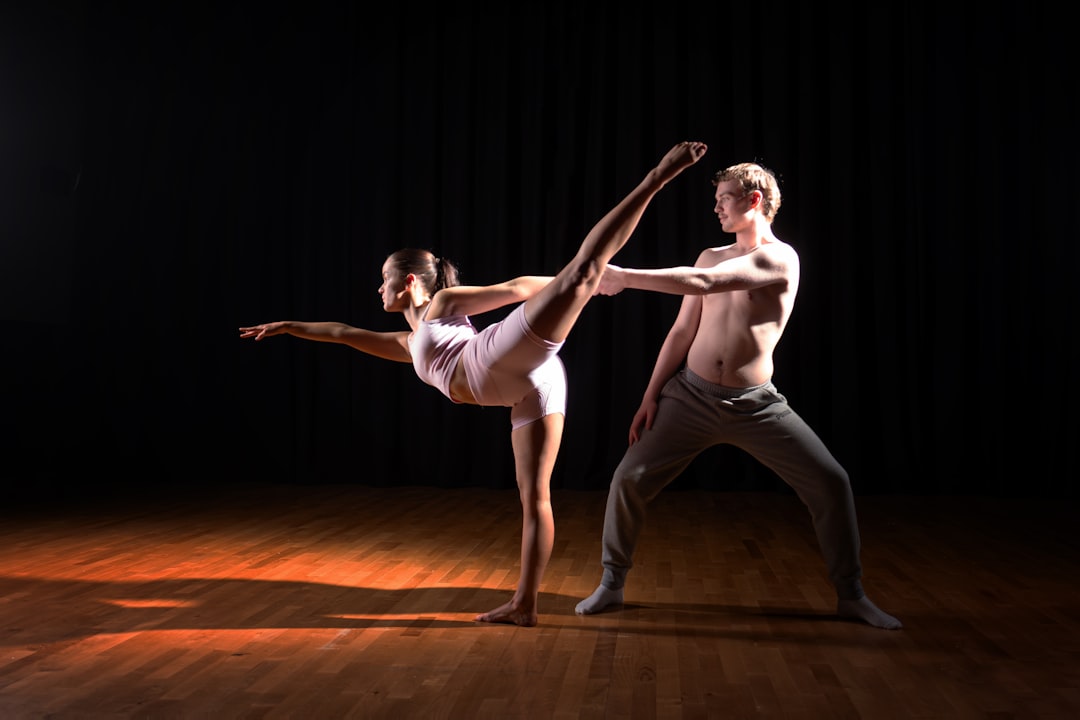
The dance floor, of course, is the ultimate test. When that koto melody hit in Medellín, it didn't stop the dancers. It challenged them. Their bodies had to translate a new accent into familiar motion. That’s the beautiful, ongoing negotiation at the heart of this evolution—the music leaps forward, and the dancers, with their sweat and creativity, pull it back into their own rhythm. So, the next time you hear a salsa track that makes you say, "Wait, what is that?" lean in. You’re not hearing a departure. You’re hearing the sound of salsa’s future, arriving right on time.