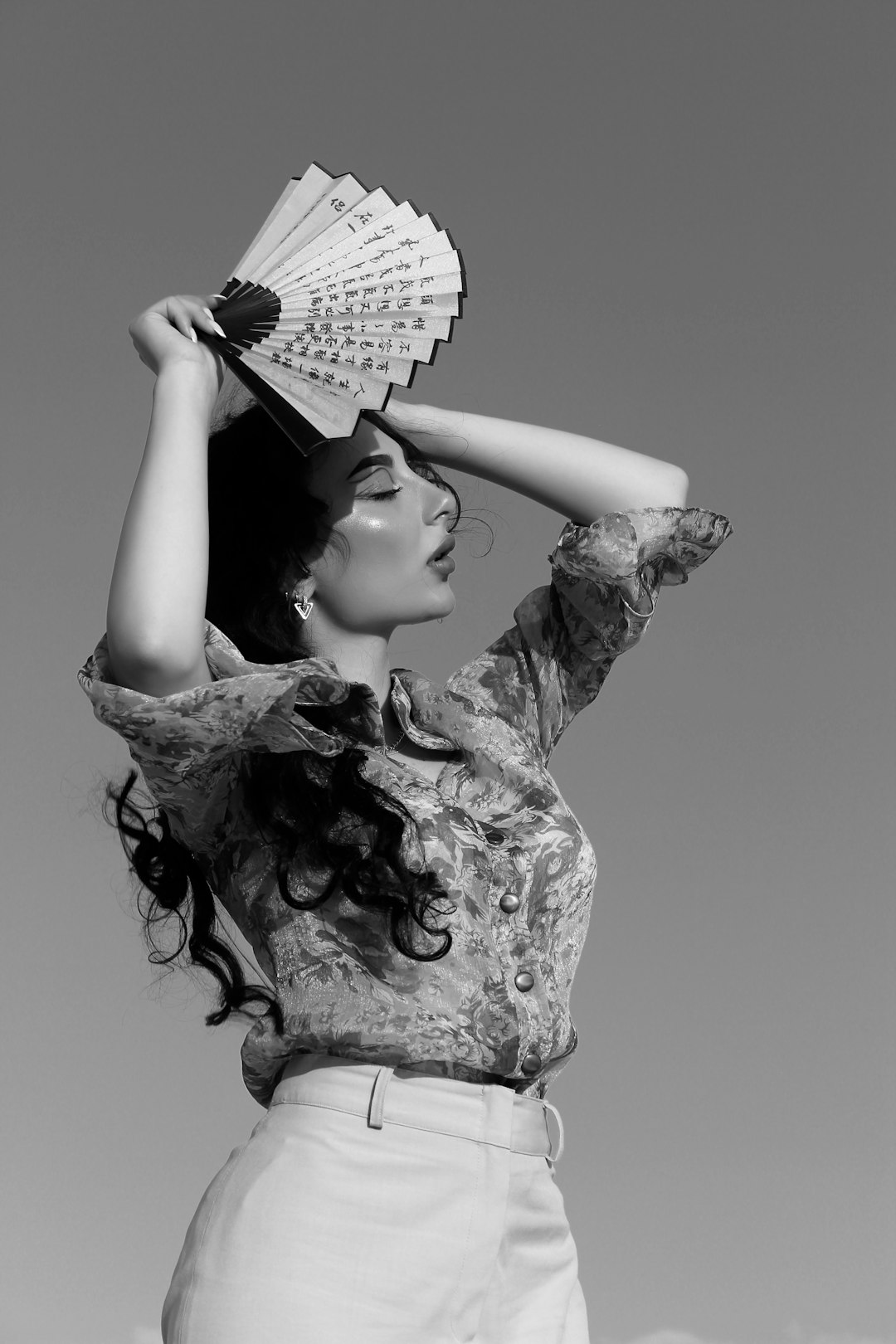
You've mastered the pirouette, your splits are square, and you can execute a clean double turn—but something separates competent dancers from compelling ones. Advanced jazz technique isn't about more turns or higher kicks; it's about intention, musicality, and the invisible architecture of style. If you're ready to evolve from proficient to unforgettable, the path forward demands more than additional studio hours. It requires deliberate deconstruction, historical literacy, and the courage to develop an artistic voice that's unmistakably yours.
1. Reinterpreting Technique: Deconstruct to Rebuild
Advanced dancers don't abandon fundamentals—they interrogate them. The chassé you learned at age twelve becomes a study in epaulement and breath control. The jazz square transforms through rhythmic interpretation: straight eighths for Broadway precision, swung triplets for blues authenticity, syncopated accents for contemporary edge.
Practice this: Take any basic vocabulary element and impose three different rhythmic frameworks. Record yourself. Notice how intention shifts when the step remains identical but the musical conversation changes. This is the difference between executing movement and inhabiting it.
2. Historical Literacy: Know Your Lineage
Jazz dance carries specific genealogies that shape contemporary practice. Understanding these lineages isn't academic indulgence—it's technical and artistic essentialism.
| Pioneer | Signature Aesthetic | Contemporary Application |
|---|---|---|
| Luigi | Fluid, breathing-based technique; continuous flow | Lyrical jazz, seamless transitions |
| Gus Giordano | Angular, grounded, African-influenced lines | Concert jazz, athletic contemporary |
| Jack Cole | Theatrical, ethnically-infused vocabulary | Broadway, commercial work |
| Matt Mattox | Precise isolations, jazz-ballet hybrid | Technical precision, clean lines |
Study footage relentlessly. Notice how Chita Rivera's weight distribution differs from Gwen Verdon's. Observe how Gregory Hines's rhythm complexity informs current street jazz. Historical literacy allows you to quote, subvert, and extend tradition with intention.
3. Build a Mentorship Ecosystem
Advanced development requires strategic, multi-layered instruction:
- Lineage keepers: Seek teachers who trained directly under foundational figures—second- and third-generation inheritors of specific techniques
- Cross-disciplinary specialists: Ballet for line and turnout; hip-hop for groove and groundedness; tap for rhythmic complexity and clarity
- Private coaching: For personalized technical problem-solving and repertoire preparation that group classes cannot provide
Avoid collecting teachers indiscriminately. Curate relationships that challenge specific gaps in your development.
4. Deliberate Practice: Quality Over Repetition
Mindless repetition reinforces existing patterns—including inefficient ones. Advanced practice demands structured, analytical approaches:
Transcription practice: Learn solos directly from video. Start with Gregory Hines's tap-jazz fusion work or Chita Rivera's "All That Jazz" performance. Map not just steps but dynamic architecture—where energy builds, where it releases, how musical phrases are physically interpreted.
Music-only improvisation: Work with complex jazz time signatures (7/4, 5/4) without choreography. Develop your internal metronome and rhythmic confidence outside predictable counts.
Targeted mirror work: Dedicate entire sessions to single focal points—foot articulation in parallel and turned-out positions; hand shape and tension; gaze direction and its emotional register.
5. Performance as Artistic Development
Stage experience alone doesn't guarantee growth. Structure your performance practice for maximum development:
- Self-taping protocols: Record every run-through. Review immediately, identifying three specific technical and three artistic adjustments before the next attempt
- Choreographer feedback: Seek response from those who create, not just those who teach. Their lens reveals how you read in the context of larger artistic vision
- Pre-performance rituals: Develop consistent physical and mental preparation that creates reliability under pressure. Document what works; refine systematically
6. Dance-Specific Conditioning
General fitness supports; targeted conditioning transforms. Prioritize:
- Pilates: Core stability for controlled extensions and sustained balances
- Plyometrics: Explosive power for jumps with height and soft landings
- Yoga: Recovery, alignment maintenance, and breath-body connection
- Nutrition timing: Strategic fueling for three-hour rehearsals versus performance adrenaline demands
Your body is your instrument. Maintenance must be as disciplined as technique.
7. Develop Your Artistic Voice
Technical mastery without distinct perspective renders you replaceable. Advanced dancers must cultivate individuality:
- Strategic repertoire selection: Choose material that showcases your specific strengths—musicality, extension, dramatic intensity, comedic timing—rather than generic crowd-pleasers
- Visual documentation: Use platforms like Instagram not merely for promotion but for aesthetic development. Notice patterns in what you gravitate toward creating