Forget the idea that cumbia is just one dance. It’s a living language, and each regional style is a different dialect with its own slang, rhythm, and soul. From the sacred sands of Colombia to the booming sonidero sound systems of Mexico City, this isn't a list to memorize—it's a map of feeling, history, and movement.
The Roots: Where the Sand Meets the Sea
Every cumbia journey starts here, with the earth. Cumbia Básica, the cornerstone, isn't about flashy moves. It’s about the arrastre—that deliberate, grounding drag of the foot that whispers of dancers smoothing the beach for a ceremony. You don’t just learn steps; you learn a conversation held in glances and subtle shimmies, with space between partners that hums with respect.
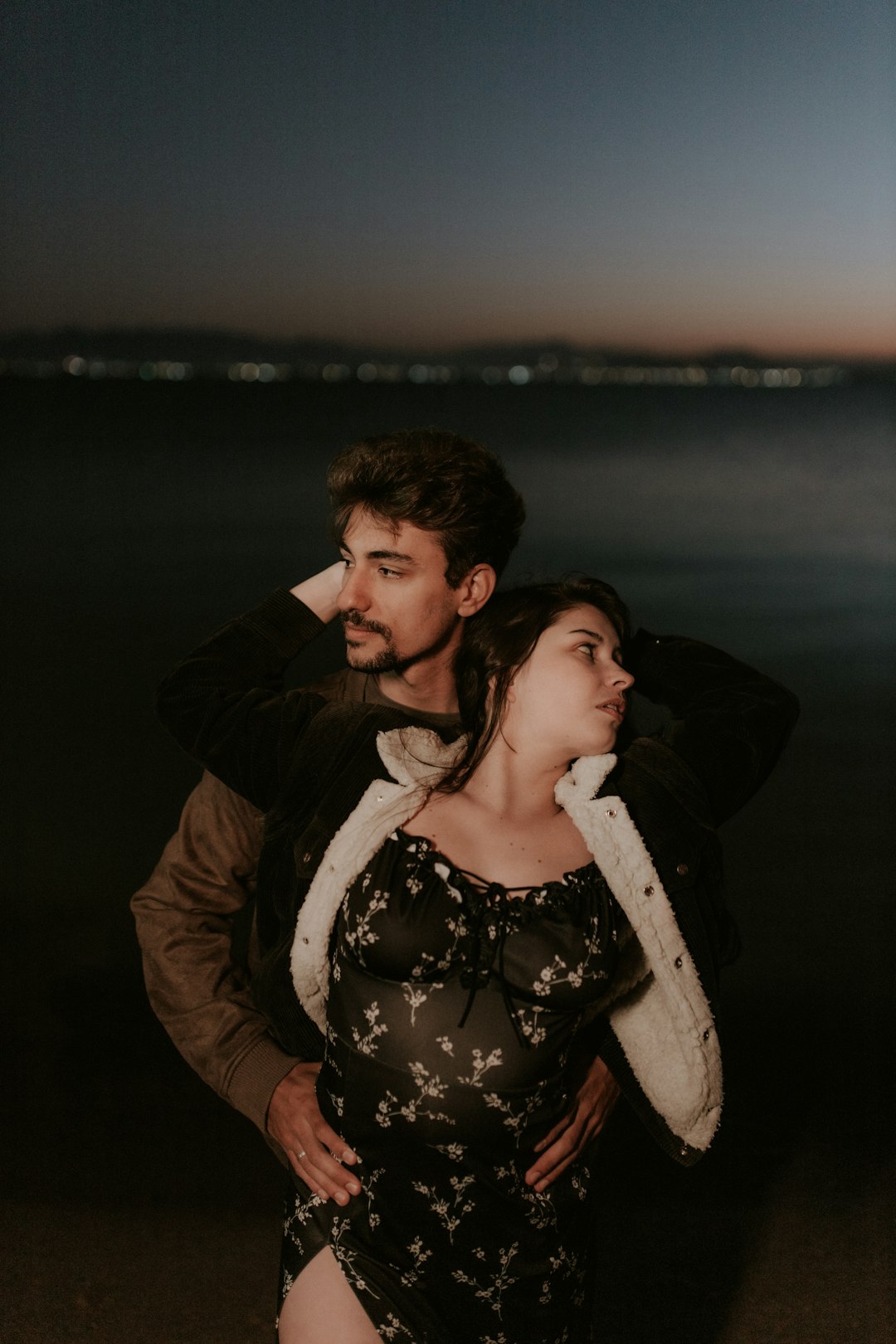
Then there’s Cumbia Casada, its closer cousin. Think of it as the moment that conversation turns into a shared secret. The frame comes in, the drag stays, but the side-to-side sway feels like a couple finding their rhythm together at a crowded family gathering. It’s the bridge from the circle to the embrace.
The Heartbeat of Colombia: Flutes and Festivals
Colombia alone is a universe of cumbia. In Sampués, the Cumbia Sampuesana kicks the tempo into puya—a frenetic, joyful pulse that demands quicker feet and sharper hip rolls. You dance it in lines at festivals, fueled by the raw call of gaita flutes.
That gaita flute defines Cumbia de Gaita, too, but here the dance becomes a mirror to its sound. Movements are deliberate, almost reverent, honoring the Indigenous roots of the instrument. It’s less about footwork and more about the torso and arms weaving a story in the air.
Travel to Córdoba for Cumbia de Millo, and the vibe shifts again. The millo flute has a reedy, piercing voice, and the dance answers with more bounce—a subtle, vertical lift that contrasts with the coastal drag. Often seen in stunning Afro-Indigenous costumes, it’s where movement becomes visual art.
The Crossroads: Where Cumbia Met New Worlds
In Valledupar, Cumbia Vallenata made a fascinating trade. It borrowed the accordion from its cousin genre, vallenato, and in return, the dance became more contained, more intricate. Couples stay put, trading rapid-fire footwork that locks tight with the accordion’s dizzying paseo rhythms.
Jump to Mexico City in the 70s, and Cumbia Sonidera rewrote the rules entirely. Sonideros slowed everything down, pumped up the bass, and created a dance of sustained glide. It’s all about flow, dips borrowed from salsa, and the communal shout-outs (saludos) that turn the dance floor into a giant, pulsing block party.
Back in Colombia’s marshlands, Cumbia Cienaguera feels like water. The arrastre becomes a long, liquid slide, mimicking the ciénaga landscape. It’s a dance of comparsas, of moving as one with hundreds in a carnival procession, linking your body to the collective memory of the town.
The Circle and the Future
Finally, cumbia keeps evolving. Cumbia de Rueda, inspired by Cuban casino circles, throws out the solo focus for a spinning, calling-out-loud group game. A leader shouts moves, partners switch, and the circle itself becomes the dancer—joyful, chaotic, and utterly connected.
This isn’t a static list. It’s an invitation. Cumbia isn’t a museum piece; it’s a conversation that’s been going on for centuries, and every step you learn is how you add your voice. So find the rhythm that calls to you, and answer with your feet.