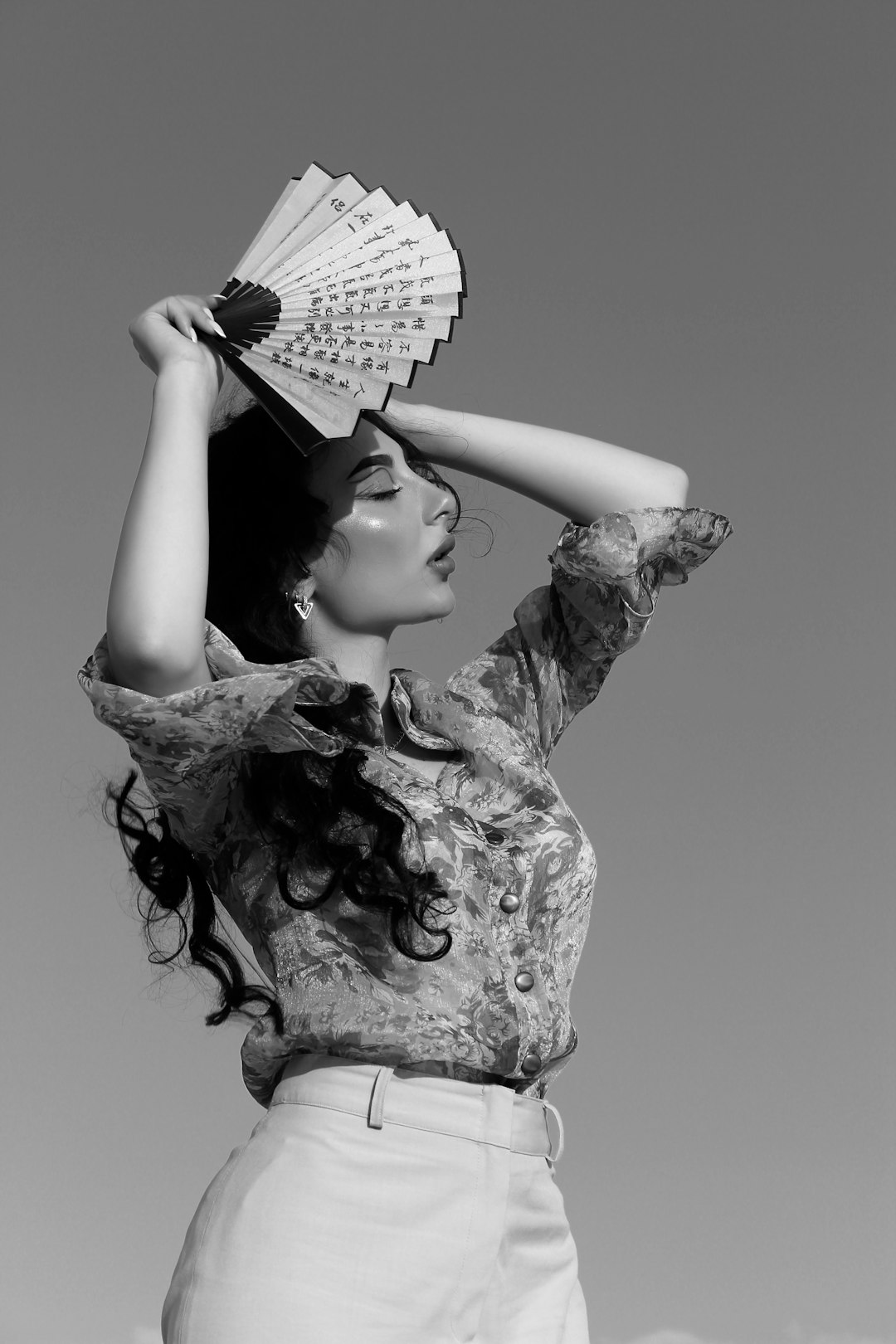
Jazz dance was born in the spaces between notes—the improvisational spark of a trumpet solo, the communal joy of a social dance floor. Unlike ballet's verticality or contemporary's abstraction, jazz thrives on conversation: with the music, with fellow dancers, and crucially, with the people watching. Your technical training gets you onstage; your ability to bridge that invisible barrier keeps audiences leaning forward in their seats.
This connection doesn't happen by accident. It requires intention, technique, and an understanding of what makes jazz dance uniquely equipped to move people. Here are five strategies to transform your performances from technically proficient to genuinely unforgettable.
1. Tell a Story That Only Jazz Can Tell
Every dance form communicates narrative, but jazz offers distinct vocabulary. Broadway jazz might demand a character arc with clear emotional beats—think of the journey from defiance to triumph in "Chicago." A concert jazz piece might explore abstract themes like resilience or collective joy. Even in a Fosse-style isolation sequence with no literal narrative, your "story" becomes the journey of the body itself: how a ribcage releases, how a shoulder finds its rhythm, how a hand carves space with deliberate intention.
The key is specificity. Vague emotional intentions read as vague. Instead of "I want to be sassy," try "I'm responding to the brass section's call with playful defiance." Instead of "I feel sad," explore "I'm reaching for something just beyond my grasp, and the reaching itself becomes the point." Your audience doesn't need to name your story to feel it—but they need to sense that you know exactly what you're doing and why.
2. Master the Mechanics of Presence
"Be present" is easy advice and difficult execution. Start with the physical: ground through your feet, feel your breath expand your back, notice the temperature of the lights on your skin. This somatic awareness radiates outward.
Then get technical about your gaze. In a proscenium theater, identify three specific audience zones—left, center, right—and cycle your focus every 8-16 counts so no section feels excluded. For thrust or in-the-round configurations, practice "wrapping" your energy 360 degrees, using the back of your head and shoulder blades as expressive tools. The audience behind you should feel addressed even when you never look directly at them.
Smiling on command feels hollow. Instead, find the genuine pleasure in your movement—the stretch of a développé, the snap of a pirouette completion—and let that satisfaction show. Audiences read authenticity instantly.
3. Become a Musician First
Jazz dancers must understand the architecture of their accompaniment. Study the masters: how does Bob Fosse's "Big Spender" use silence as a weapon? How does Mia Michaels exploit the gap between lyrical melody and driving percussion? How did Jack Cole manipulate rhythmic expectation to create comic tension?
Practice counting in swung eighths until it feels natural. Identify the "and" of the beat where surprise lives. Know whether your choreographer wants you on top of the music, behind it (dragging luxuriously), or pushing against it (creating friction). Jazz's syncopated rhythms invite playful interaction—accent the off-beats, stretch across the bar line, or hit a sharp punctuation mark that makes the audience gasp.
The music isn't background. It's your partner, your antagonist, your confidant. Dance with it, not merely to it.
4. Command Space Like a Jazz Dancer
Stage presence in jazz differs from other forms. Where ballet emphasizes elevation and contemporary values floor work, jazz often exploits the horizontal—traveling, covering ground, claiming territory. Practice moving through space with purpose: every entrance announces something, every exit leaves a residue.
Projection in jazz has particular texture. It's not just "big"—it's rhythmic, playful, sometimes confrontational. Flick your focus to the balcony. Let your fingers finish phrases six inches beyond your actual reach. Fill your lungs before a big moment so the preparation itself becomes visible drama.
Work with your lighting. Find your hot spots and shadows. Understand how a downlight isolates you from the ensemble or how a side wash sculpts your profile. These aren't technical concerns separate from performance—they're tools for shaping how audiences receive you.
5. Honor the Improvisational Spirit
Even in set choreography, jazz retains its improvisational DNA. Build moments of choice into your performance: the precise angle of your head on a held note, the extra breath you take before a final phrase, the specific quality of your walk exit. These micro-decisions keep you alert and responsive, which audiences feel as aliveness.
This connects to something deeper. Jazz emerged from African-American cultural traditions that valued individual expression within collective structure—the soloist responding to the chorus, the dancer answering the drummer. When you perform jazz authentically, you participate in this lineage. You're