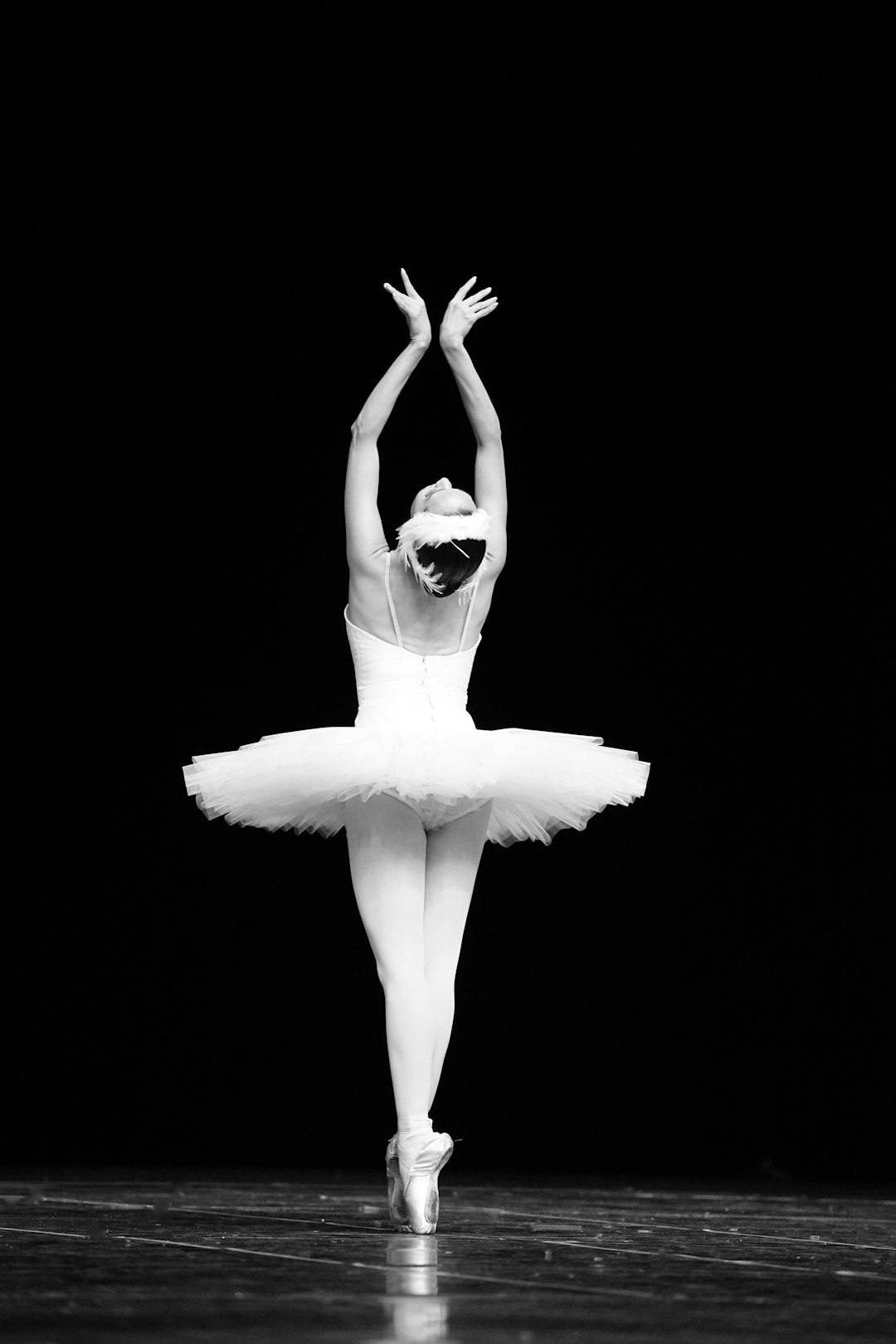
Imagine the percussive thunder of zapateado footwork vibrating through the floorboards, the raw cry of the cantaor (singer) echoing from just behind your shoulder, and the whirl of a dancer's bata de cola (trained skirt) so close you can almost feel the air move. This is the visceral, emotional core of Flamenco—the elusive duende. Traditionally, you'd need to be in a tablao, feeling the collective energy of the crowd. But what if you could be inside that moment, on the stage itself? Virtual Reality (VR) technology is making that immersive dream a tangible, revolutionary new way to engage with this centuries-old Spanish art form.
The Immersion Revolution: Stepping Onto the Stage
VR’s primary gift to Flamenco is profound, sensory immersion. It transcends the passive view from an audience seat. Pioneering projects, such as "The Flamenco Sense" or VR experiences produced by festivals like the Bienal de Flamenco, don’t just show you a performance—they position you within it. Through a 360-degree headset, you can stand beside the guitarist, seeing the intricate fingerwork on the strings, or find yourself encircled by the palmas (handclaps) of the supporting singers.
This is complemented by spatial audio, which allows the lament of the singer to feel intimate and personal, while the rhythmic compás of the guitar comes from a distinct point in the virtual space. Some experimental projects even incorporate haptic feedback, using subtle vibrations to simulate the stomping of the dancer's feet. This multi-sensory approach creates a connection that a traditional live performance, bound by the physics of a stage and an auditorium, simply cannot offer. It answers the question of proximity and perspective, placing the viewer in the heart of the artistic action.
Interactivity and New Perspectives: Deconstructing the Art
Beyond immersion, VR introduces a powerful element of interactivity and personalized perspective. This is more than a novelty; it's a tool for deeper understanding. In a 360-degree VR film, viewers can choose where to look, focusing on the dancer's furious footwork one moment and the guitarist's flying fingers the next, mimicking the dynamic focus of a live participant.
More advanced applications explore true interactive learning. Imagine a simulation where you, as the viewer, can trigger different elements of a performance—isolating the rhythm of the cajón (box drum) or controlling a virtual camera to orbit the dancer and study the geometry of their movement. This unprecedented control actively engages a younger, tech-savvy demographic and serves as an innovative pedagogical tool. It allows students and enthusiasts worldwide to deconstruct Flamenco’s complex relationship between music, song, and dance in a way that was previously reserved for apprentices in a studio.
Confronting the Challenges: Purists, Access, and the Duende
This digital evolution is not without its critics and hurdles. A significant challenge comes from traditionalists and purists who argue that the electric, communal exchange of energy between artist and audience—the very soul of Flamenco—cannot be replicated through a headset. As the legendary guitarist Paco de Lucía noted, "Flamenco is not in the hands, it's in the heart." Can a digital medium capture that heart?
The rebuttal is that VR should not be seen as a replacement, but as a powerful complement and gateway. It acts as a global ambassador, democratizing access for those who may never visit Andalusia. It can also function as a meticulous digital archive, preserving the techniques of master artists for future generations. Furthermore, rather than diluting tradition, the revenue and interest generated by high-profile VR projects can provide crucial funding for local Flamenco communities and live venues.
The other main barrier is technology access and cost. High-end VR headsets remain an investment. However, the landscape is shifting rapidly with more affordable hardware, smartphone-based VR options, and the growth of VR installations in museums and cultural centers. These public installations lower the barrier to entry, allowing people to experience Flamenco in VR as part of a curated cultural exhibit.
The Future: A Convergence of Tradition and Technology
Looking ahead, the convergence of Flamenco and VR points toward an exciting, hybrid future. We are moving toward live-streamed VR performances, where audiences across the globe can don headsets for a "front-row" experience of a real-time show in Seville. For artists, VR could become a rehearsal and choreography tool, allowing dancers to visualize and refine their movements in a virtual space.
The ultimate promise of VR for Flamenco is not to replace the pounding heart of the live tablao, but to expand its universe. It offers an intimate, educational, and deeply personal portal into the art form’s passion and complexity.
So, whether you are a lifelong aficionado or a curious newcomer, seek out a Flamenco VR experience. Search for "Flamenco VR" on major content platforms or look for immersive installations at international film and digital art festivals. Prepare to have your perspective—quite literally—transformed.










