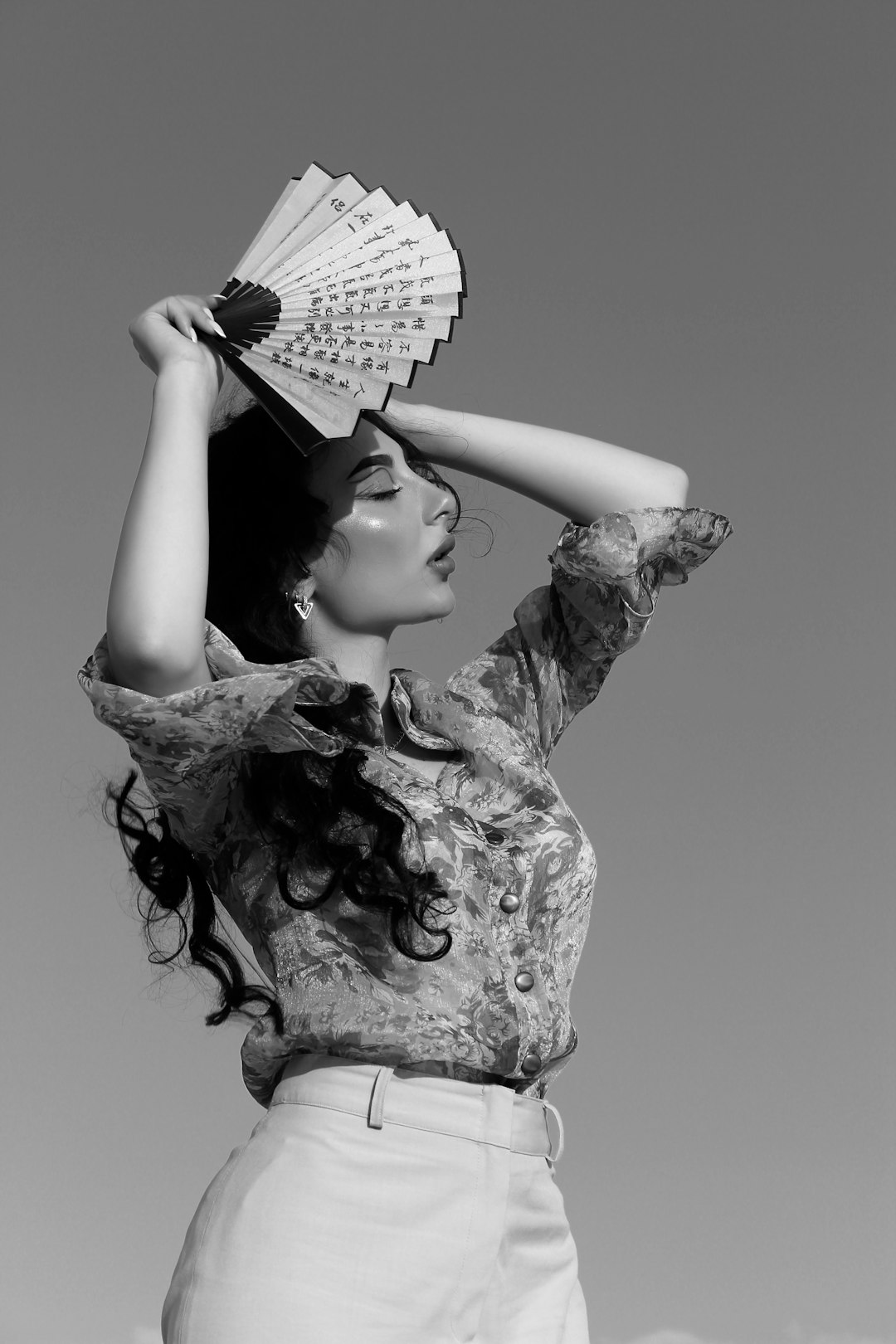
You've mastered your pirouettes. Your splits are consistent. You can pick up choreography without panic. But something's missing—your dancing looks technically proficient yet interchangeable with every other dancer in your level.
Welcome to the intermediate plateau: execution without identity.
The solution isn't more technique hours. It's strategic genre exploration. Each jazz substyle demands different physical strengths, emotional approaches, and musical relationships. This guide maps five primary paths, helping you identify which genre will accelerate your growth rather than simply add another routine to your repertoire.
What "Intermediate" Actually Means Here
For this article, "intermediate" assumes:
- 2–4 years of consistent jazz training
- Solid foundation in turns, leaps, and isolations
- Ability to learn and retain 2–3 minutes of choreography
- Basic understanding of musical counts and phrasing
If you're below this threshold, some genres here (particularly Acro Jazz) pose injury risks. If you're above it, you'll recognize which sections to skim and where to deepen your practice.
Classic Jazz: The Precision Path
What It Actually Is
Classic jazz isn't merely "old" jazz—it's the codified technique bridging Broadway, concert dance, and African-American social dance traditions. Think Jack Cole's cinematic precision, Matt Mattox's explosive isolations, or the distilled geometry of Fosse. Unlike contemporary styles that forgive approximations, classic jazz punishes sloppiness. Your ribcage placement matters. Your wrist angle matters. The style demands that technique become invisible through its perfection.
Why Intermediates Struggle Here
The plateau manifests as "almost right." Your kick line looks decent from the audience but lacks the 180-degree extension and matching timing that separates working dancers from competition winners. Classic jazz exposes these gaps brutally.
Training Progression
| Phase | Focus | Timeline |
|---|---|---|
| Foundation | Matt Mattox technique, isolation drills, stylized walks | 2–3 months |
| Integration | Fosse repertoire (Chicago, Sweet Charity), filming self for alignment feedback | 3–4 months |
| Application | Audition preparation, contrasting classic and contemporary versions of same phrase | Ongoing |
Listen To
- Count Basie ("Jumpin' at the Woodside") for swing feel
- Ella Fitzgerald's scat recordings for rhythmic complexity
- Original Broadway cast recordings of Chicago and Damn Yankees
Lyrical Jazz: The Vulnerability Trap
What It Actually Is
Lyrical jazz occupies contested territory—part ballet extension, part contemporary release, part jazz rhythm. It prioritizes narrative legibility: audiences should understand what you're feeling without program notes. This requires technical control and emotional availability simultaneously, which is why so many intermediates default to melodrama.
Common Intermediate Pitfalls
- Overacting: Facial expressions that don't match movement quality
- Breath-holding: Suspension moments become rigid rather than expansive
- Ballet default: Losing jazz rhythm in pursuit of leg lines
The Fix: Emotional Authenticity Drills
Rather than "feeling the music," try specific constraints:
- Opposite emotion: Dance a sad song with restrained joy, or vice versa. Notice how restriction generates more interesting movement than indulgence.
- Text substitution: Sing lyrics aloud while marking choreography. If you can't breathe naturally, the phrase is wrong for your body.
- Silent film: Perform with no music, counting only. Reveals whether your dynamics are structural or just following the soundtrack.
Study These Performances
- Sonya Tayeh's early So You Think You Can Dance work ("Gravity," "Fix You")
- Mia Michaels' "The Bench" for emotional restraint
- Derek Hough's "Elastic Heart" for male lyrical approaches
Funk Jazz: Finding Your Groove
What It Actually Is
Funk jazz emerged from 1970s street culture, Frank Hatchett's VOP (Visualization, Optimation, Projection) style, and the marriage of jazz technique with social dance foundations. It's less about steps and more about approach—how you inhabit rhythm rather than decorate it.
The VOP System for Intermediates
Hatchett's framework offers concrete practice:
| Element | Practice Method | Progress Marker |
|---|---|---|
| Visualization | Close eyes, listen to track 10× before moving. Map energy peaks mentally. | Can describe song structure without music playing |
| Optimation | Mark full-out once, identify "dead" moments, redesign two counts | Every 8-count has clear dynamic choice |
| Projection | Perform for camera, watch without sound, assess clarity | Movement reads clearly on mute |
Freestyle Integration
Unlike other genres, funk jazz rewards