That moment you slip into your full flamenco regalia changes everything. The worn leggings and t-shirt you drilled footwork in for months suddenly feel like a distant memory. In their place, layers of ruffles, the precise click of heels, and a silhouette that commands attention before you even take a step. Your outfit isn't just clothing for the stage; it's your first movement, your opening statement.
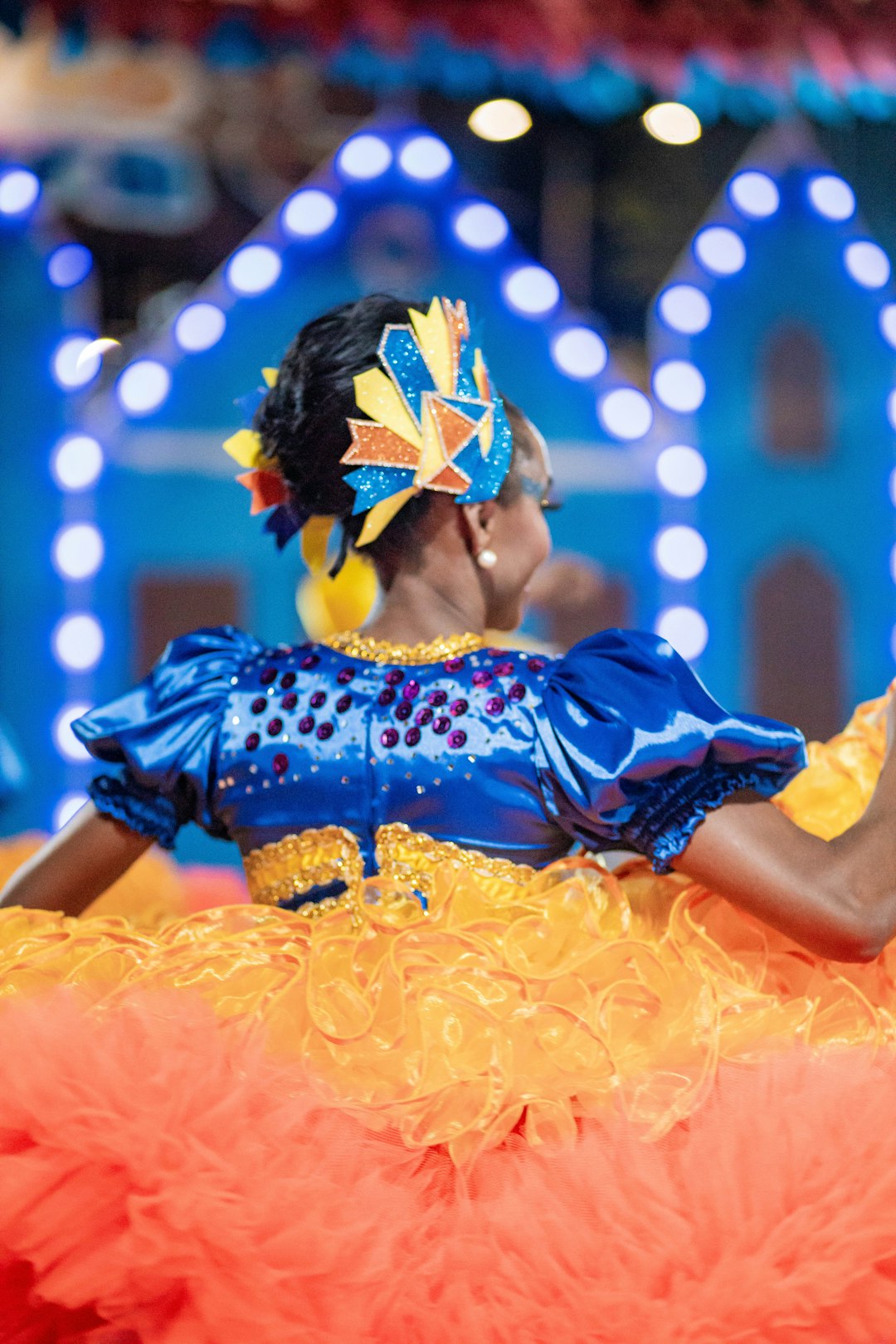
Think about how a dress moves. A true bata de cola isn't just long; it’s a living partner. The way the ruffles cascade and catch the air during a turn is pure drama. For the fellas, the fitted traje corto does more than look sharp—it showcases the powerful lines of your legs and posture with every zapateado. The fabric shouldn't fight you; it should amplify your intention. A heavy sleeve becomes an extension of your arm in a braceo, and a skirt’s swirl answers the guitar’s melody.
Now, let’s talk about that color. You’re not just picking a shade you like. Under hot stage lights, a deep crimson can look like embers, while a stark black and white polka dot pattern pops with vintage energy. I once saw a dancer in a brilliant saffron yellow; she didn’t just walk onto the stage, she ignited it. Your choice sets the emotional tone—do you want to smolder, provoke, or celebrate?
Here’s the practical magic most people miss: the secret engineering. A well-made bata has a hidden loop to hook the tail to your wrist, freeing your hands for palmas without a catastrophic trip. The perfect shoe isn’t just about the heel’s stomp; it’s about the ankle strap that holds firm through a frenetic footwork sequence. Comfort isn’t the enemy of passion; it’s what lets you forget the costume and live inside the dance.
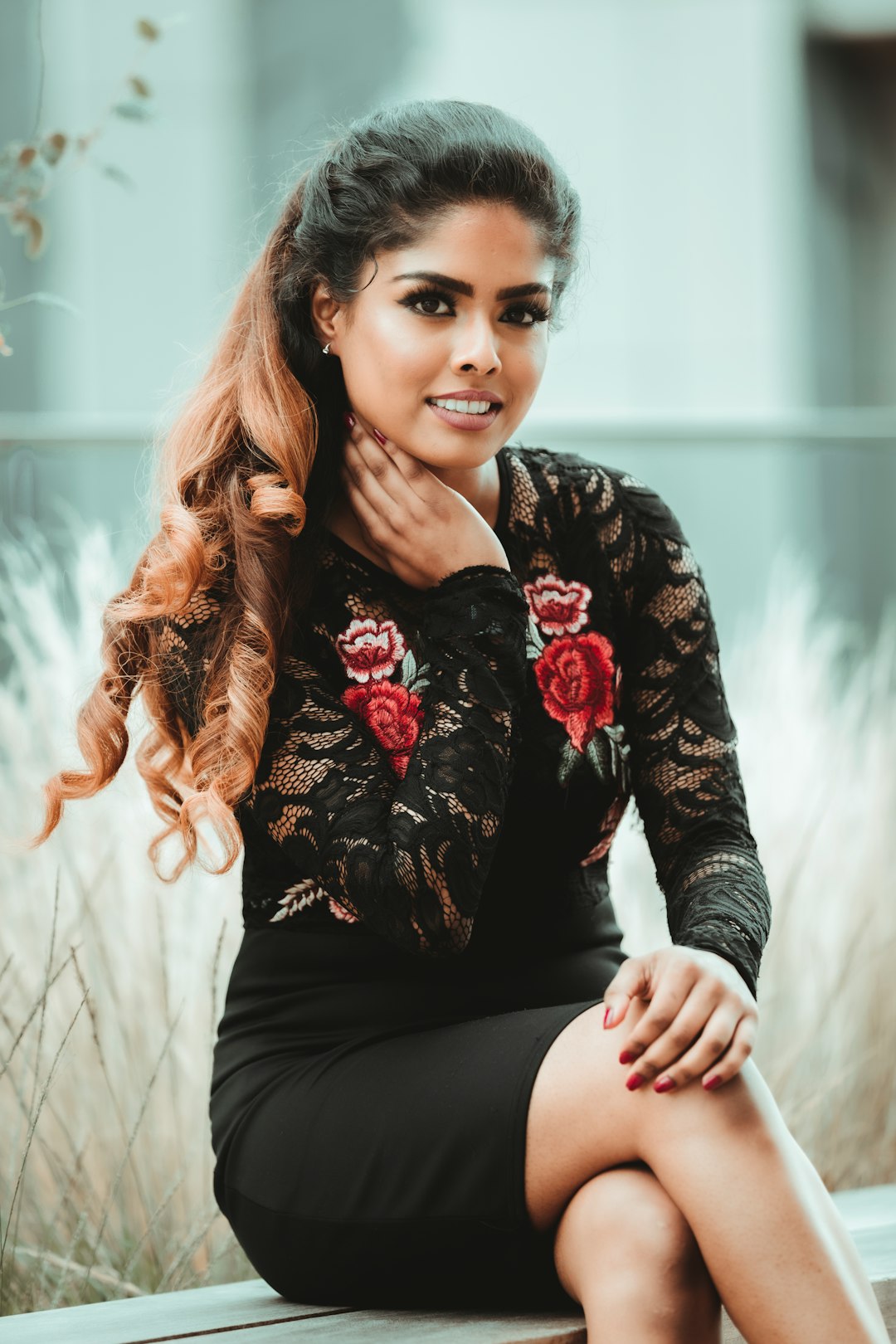
Then you layer on the story. A black dress becomes uniquely yours with a vintage mantón draped just so, its fringes brushing the floor. The sharp click of an abanico snapping open in a moment of silence can raise the hairs on an audience’s arms. Your jewelry, a single dramatic earring or a stack of clinking bracelets, adds a personal rhythm to your movement.
Finally, the mirror reveals the character. The bold, almost severe makeup isn't for everyday; it’s to ensure your expressions—every flash of pride, every shadow of sorrow—read from the back row. Hair swept into a tight low bun or cascading curls isn’t an afterthought; it frames the intensity in your face.
When it all comes together, you don’t just wear the outfit. You inhabit it. The weight of the skirt in your hand, the sound of the fabric sweeping the floor, the confidence in your stance—it all feeds the duende. You’re not just dressed for a performance; you’re armored for it, ready to pour a story onto the stage that begins the second the audience sees you.