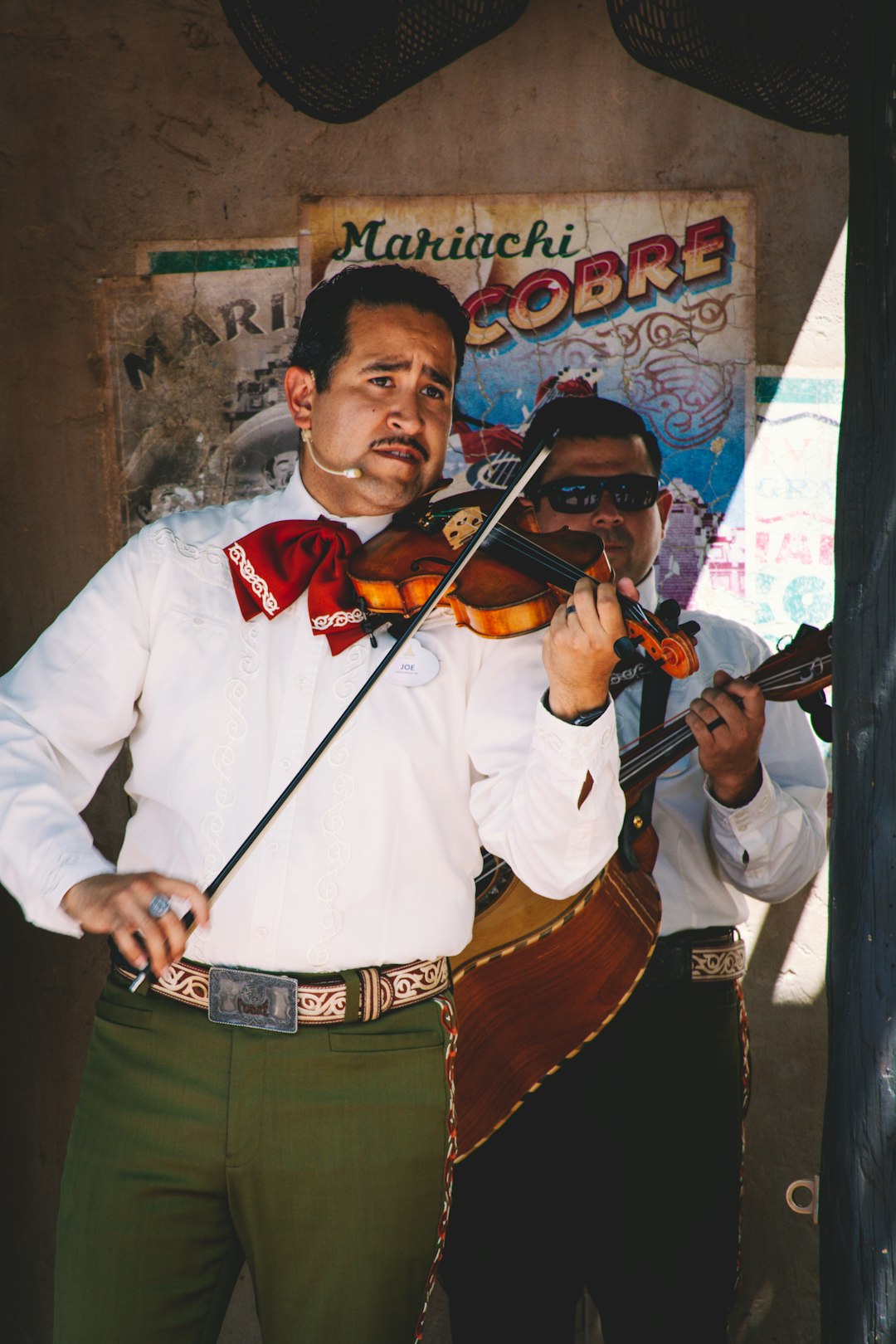
You've learned the basic steps. You can follow choreography without counting aloud. You perform with reasonable confidence, and audiences watch politely. But they don't lean forward. They don't hold their breath. The gap between competent and compelling is emotional authenticity—and as an intermediate dancer, you've reached the precise moment when technical proficiency alone stops being enough.
This article bridges that gap. We'll move past generic advice about "feeling the music" toward concrete practices that transform your dancing from accurate to unforgettable.
Diagnosis: Are You Ready for This Work?
Before diving deeper, confirm you've reached the intermediate threshold where emotional training becomes productive:
| You're ready if... | Keep building fundamentals if... |
|---|---|
| You can perform complete dances without verbal counting | You still need to count steps aloud |
| Muscle memory handles basic patterns automatically | You're still thinking through sequences |
| You've performed for audiences at least 5-10 times | Stage presence feels unfamiliar |
| You can identify when something "feels off" technically | You can't yet self-diagnose errors |
Emotional work requires cognitive bandwidth. If you're still allocating mental resources to remembering steps, your expressive capacity remains limited. Return to this article when technique feels settled.
Building Authentic Foundations: Cultural Significance as Emotional Source
Generic advice suggests "researching origins." Here's what that actually looks like for dancers with limited time and no academic background.
Three Questions That Transform Performance
Rather than broad research, direct targeted inquiry to your instructor or community elders:
-
"What occasion originally hosted this dance?"
A Romanian hora performed at weddings carries buoyant, communal joy. The same dance at a memorial becomes weighted with continuity and remembrance. Your shoulders, your gaze, your relationship to fellow dancers—all shift with this knowledge. -
"Who led, and who followed?"
Gender dynamics, age hierarchies, and social structures embedded in traditional formations aren't historical footnotes. They generate the emotional tension you embody. A Ukrainian hopak danced without understanding its Cossack military origins becomes mere acrobatics. -
"What changed when this dance left its homeland?"
Diaspora communities often preserve older forms than contemporary practice in the source region. Knowing whether you're dancing 1950s village style or 2020s urban revival affects your interpretive choices.
Practical Research for Busy Dancers
| Time available | Action | Expected outcome |
|---|---|---|
| 15 minutes | Ask your instructor the three questions above | Immediate contextual adjustment |
| 1 hour | Listen to 5-10 recordings from different decades | Hearing stylistic evolution develops interpretive range |
| Half-day | Attend a cultural festival or religious service where your dance tradition appears | Embodied understanding of community function |
Warning sign: If your "research" never changes how you actually dance, it's entertainment, not preparation.
Embodied Listening: Music as Emotional Architecture
Connecting with music requires more than appreciation—it demands analytical listening that translates into physical response.
The Rhythm Beneath the Steps
Bulgarian rachenitsa illustrates this perfectly. Its 7/16 time signature groups as quick-quick-slow (2-2-3). Dancers who merely count seven beats miss the characteristic emotional tension: the suspended "slow" creates anticipation that the subsequent "quick-quick" releases. Your torso should respond to this architecture before your feet execute steps.
Daily practice (5 minutes):
Dance to percussion-only recordings of your repertoire. Without melody as emotional shortcut, you'll discover whether you genuinely inhabit rhythmic structure or merely follow melodic cues.
Dynamics as Emotional Vocabulary
Tempo changes aren't mechanical adjustments—they're narrative events. Consider:
| Musical event | Emotional translation | Physical manifestation |
|---|---|---|
| Sudden accelerando | Escalating excitement, flirtation, or competition | Anticipation in upper body before feet accelerate |
| Ritardando | Arrival, completion, or reluctant separation | Grounding through deliberate weight shift |
| Volume drop to single instrument | Intimacy, vulnerability, storytelling | Reduction in spatial reach, increased facial specificity |
| Percussive silence | Suspense, breath, collective anticipation | Active stillness rather than passive waiting |
Counterintuitive exercise: Practice your repertoire at deliberately wrong tempos—dance slow melodies fast, fast melodies slow. This reveals your default emotional associations and expands your expressive range.
Lyrics as Hidden Choreography
If your dance tradition includes sung accompaniment, obtain translations. The emotional beats of sean-nós Irish dance, for instance, become inaccessible without understanding how lyrics structure rhythmic variation. Even instrumental versions carry this vocal DNA.
From Understanding to Expression: Movement as Emotional Language
Having built cultural and musical foundations, you face the translation problem: how do internal understanding become visible, communicable emotion?
The Specificity Problem
Generic advice—"use facial expressions, body language