Belly dance—known as raqs sharqi in Arabic—spans more than 6,000 years of cultural tradition across the Middle East, North Africa, and Mediterranean regions. Audiences frequently reduce this art form to mere sensuality, overlooking its technical complexity, historical significance, and capacity for personal expression. Far from a simple performance trick, belly dance demands precise muscle control, musical interpretation, and dedicated practice.
Whether you pursue belly dance for fitness, artistic fulfillment, or professional performance, mastering its technical foundations transforms your movement from mechanical to mesmerizing.
Understanding the Cultural Roots
Before stepping into practice, recognize that belly dance emerged from diverse cultural contexts: celebration of life milestones, communal bonding among women, and spiritual expression. Contemporary styles range from Egyptian classical to Turkish Romani, American Tribal Style to fusion forms. This richness rewards respectful study beyond surface-level imitation.
Five Technical Pillars
1. Isolation and Control
Belly dance distinguishes itself through precise isolation of specific muscle groups. Rather than moving the "torso" as a block, advanced dancers separately articulate:
- Hips: horizontal and vertical lifts, drops, and circles
- Chest: upper and lower chest isolations, slides, and undulations
- Core: abdominal rolls, flutters, and controlled contractions
Arms, by contrast, frame movement rather than isolate—traveling in pathways that complement hip and chest work.
2. Posture and Alignment
A lifted sternum, relaxed shoulders, and engaged lower core create the characteristic belly dance carriage. This alignment protects your lower back during repetitive hip work while projecting confidence through open body language. Practice against a wall regularly to ingrain proper spinal positioning.
3. Musical Mastery
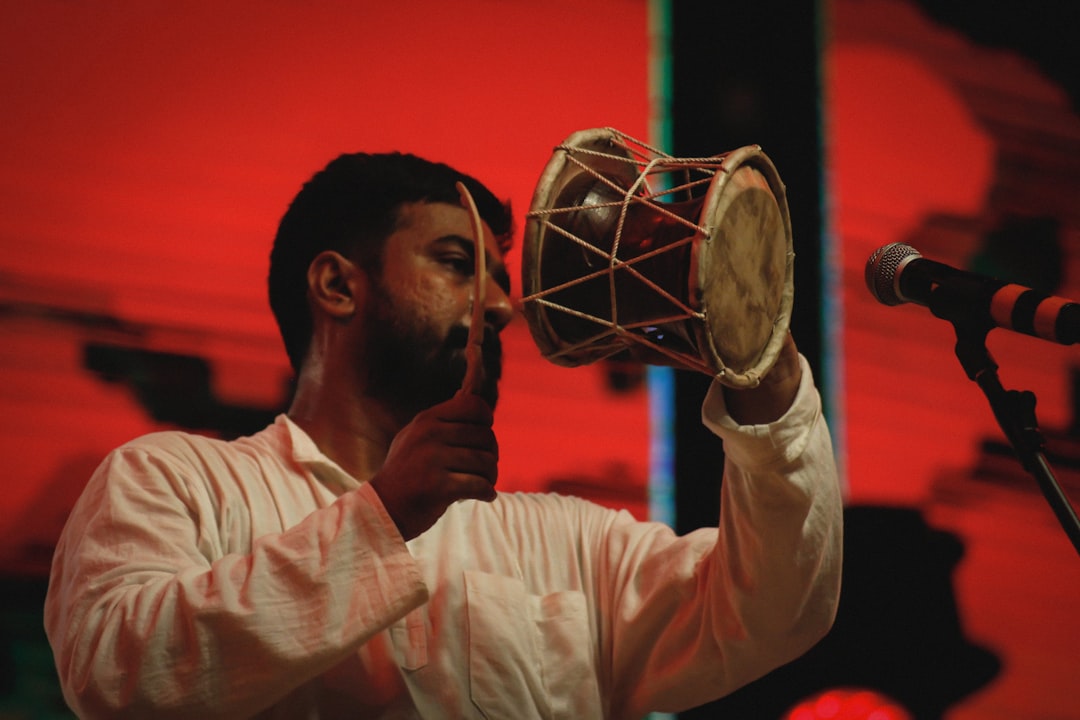
"Feeling the music" requires understanding maqam (melodic modes) and specific rhythm patterns: the driving malfuf, earthy saidi, or flowing chiftetelli. Each demands distinct movement qualities. Start by clapping rhythms before attempting layered choreography.
4. Eye Contact and Presence
Strategic gaze direction builds connection without performative excess. Practice shifting focus between specific audience members, your own reflection, and internal visualization—each serves different choreographic purposes.
5. Costuming Considerations
Professional attire serves functional purposes beyond aesthetics:
- Hip scarves: weighted with coins or beads to amplify and visualize hip articulations
- Skirt length: floor-length for elegant gliding; shorter for revealing leg lines and floor work
- Bra support: essential for vertical chest movements and jumps
- Fabric drape: lighter materials enable veil work; heavier fabrics suit drum solos
Distinguish between practice wear (supportive, breathable) and performance costuming.
Training Safely and Effectively
Important: Always warm up joints—especially hips, knees, and lower back—before intensive practice. Dance on appropriate flooring; concrete destroys joints over time. Listen to pain signals; muscle fatigue differs from sharp or persistent discomfort.
Structured Practice Approach
| Frequency | Focus |
|---|---|
| Daily (15 min) | Isolation drills, posture reinforcement |
| 3× weekly (45 min) | Choreography, musical interpretation |
| Weekly | Class or video feedback session |
Accelerating Your Progress
- Seek qualified instruction: In-person feedback corrects alignment errors invisible in mirrors
- Study professionals: Analyze Egyptian legends like Soheir Zaki or contemporary innovators; note their rhythmic precision and emotional range
- Record yourself: Weekly video reveals improvement invisible in daily practice
An Inclusive Practice
Belly dance welcomes practitioners of all genders, ages, body types, and physical abilities. The technique adapts—seated versions preserve upper-body articulation; arm patterns translate across mobility ranges. Your unique body shapes your artistic voice rather than limiting it.
The Long Road to Mastery
Technical proficiency develops through months of deliberate practice, not weeks. Frustration signals growth. Celebrate small victories: a cleaner hip circle, sustained improvisation, or that moment when movement finally feels like self-expression rather than exercise.
The transformation from student to artist happens gradually—one isolation, one rhythm, one performance at a time.