---
Finding Rhythm in Unexpected Places
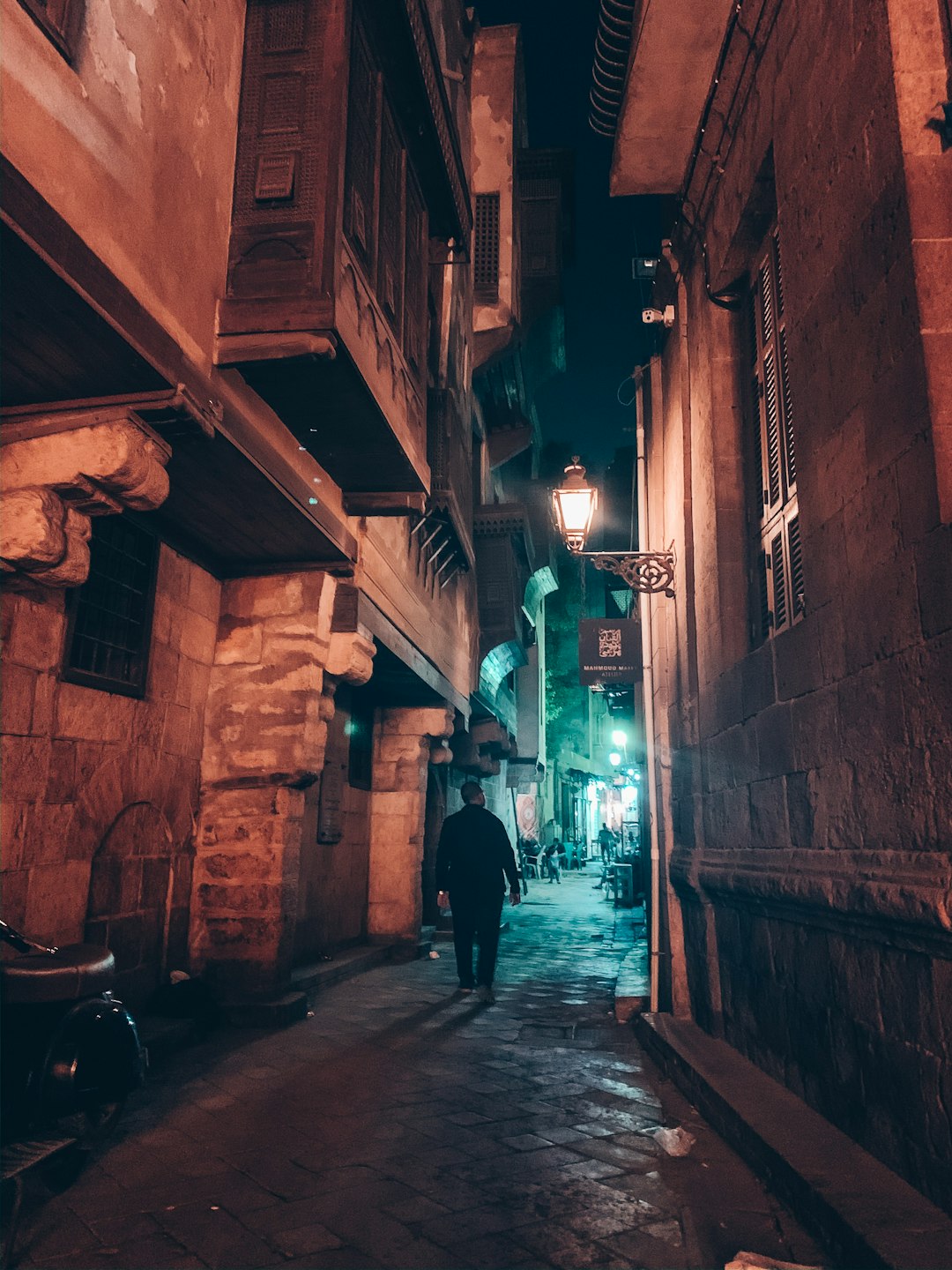
I almost walked right past it. The Gerlach Folk Dance Academy hides down a narrow alley off Market Street, unmarked except for a small brass plaque that's seen better decades. I'd been in Gerlach City for three years, and somehow this place had stayed invisible — tucked between a bookshop and a bakery, its existence almost conspiratorial.
Then I heard the music.
Through a cracked window on the second floor, the unmistakable stomp and shuffle of a polka drifted down to the street. I stood there like an idiot, messenger bag over my shoulder, completely stopped in my tracks. That was the moment I realized I'd been missing something fundamental about this city.
Over the following weeks, I went down the rabbit hole. What I found wasn't just dance — it was the city's actual heartbeat, hidden in plain sight.
---
The Academy That Time Nearly Forgot
The Gerlach Folk Dance Academy has been at that address since 1952, surviving urban development waves that flattened everything else on the block. Walk through the heavy wooden doors and you're transported — the smell of beeswax and old wood, the creak of floors that have held countless shoes, vintage chandeliers casting amber light on a dance hall where teenagers still learn to polka with the same seriousness their grandparents brought to these steps.
The training here isn't casual. Beginners start with footwork drills that feel almost military in their precision before they ever touch a partner. Intermediate classes tackle regional variations — the sharp arm snaps of Moravian folk dance, the dizzying turns of Slovakian odzemok. Advanced students perform at the academy's seasonal showcases, and watching a skilled dancer execute a Balkan oro is genuinely breathtaking.
What's remarkable is the age range. You'll see eight-year-olds perfecting their posture next to retirees who've been coming here for forty years. The old-timers tell stories of learning from instructors who learned from instructors who were born before recorded music existed. That chain of transmission — unbroken — feels sacred somehow.
Classes run weekly, and the academy opens its doors to drop-ins for a modest fee. But fair warning: once you see what's happening in that historic hall, you'll want to commit.
---
The Museum That Makes You Feel History
If the academy is where folk dance lives, the Gerlach City Folk Dance Museum is where it remembers itself.
Housed in a restored 19th-century mansion on the city's eastern edge, the museum occupies a building that itself tells a story — original crown molding, servants' bells still mounted on walls, windows that look out onto gardens where dancing used to happen by candlelight. The restoration is meticulous. You feel the age of the place in your bones.
The collection inside is staggering. Rows of folk costumes from a dozen countries, each tagged with handwritten cards that explain regional variations — why the embroidery is red in one village but blue in another thirty kilometers away. Multimedia stations let you listen to field recordings made in the 1940s: voices, footsteps, instruments, captured before modernization erased everything.
My favorite section traces how immigrant communities kept their dance traditions alive after arriving in Gerlach. The Polish community's oberek evolved differently here than in Warsaw — faster, more athletic, shaped by American jazz influence. Watching the archival footage side-by-side with modern performances, you see tradition not as a fossil but as something living, breathing, changing.
The museum hosts monthly live demonstrations. I caught a Hungarian couple performing csárdás in full regalia last October, and the way the woman's skirt filled the air like a parachute stays with me still.
---
The Festival That Takes Over the City
Every summer, Gerlach City Folk Dance Festival turns the entire downtown into a dance floor.
This isn't a contained event. It leaks. You walk to get coffee and there's a circle dance happening in the plaza. You take the bus and the driver has a festival wristband. For one week in July, folk dance stops being a niche interest and becomes the air everyone breathes.
The Grand Folk Dance Parade is the centerpiece — a river of color moving through the city's main square. I've never seen so many traditional costumes in one place. Elaborate embroidery, handwoven textiles, elaborate headdresses that must weigh several pounds. Between the dancers, marching bands play everything from Austrian brass bands to Romanian pan flutes.
But the real magic happens in the smaller venues. The International Showcase brings in dance troupes from fifteen countries, and you can spend an entire afternoon watching Sicilian tarantella back-to-back with Korean salpuri. The workshops are where things get physical — I've lost entire afternoons learning Greek hasapiko steps from a retired fisherman who communicated corrections through gesture and laughter.
The festival runs programming for kids too, which means the next generation is already being initiated. Watching a six-year-old attempt flamenco footwork while her parents applaud is both hilarious and oddly moving.
---
The Troupe That Becomes Family
Some people don't just attend folk dance — they become folk dance people. For them, there's the Gerlach City Folk Dance Troupe.
This community ensemble operates differently from the academy or the festival. It's a chosen family, really. Rehearsals happen twice weekly in a community center basement, and the vibe is somewhere between sports team and support group. People arrive stressed from work and leave loose, laughing, exhausted in the best way.
The troupe performs at everything: corporate events, nursing homes, street festivals, cultural celebrations. Last winter they did a benefit show for a local food bank, and the audience — mostly people who'd never seen folk dance before — gave them a standing ovation. The troupe's director later told me that moment, seeing skeptics converted, was why she does this work.
Membership is open, and many dancers start as complete beginners. The troupe has a mentorship system where experienced members pair with newcomers. I've watched shy people transform over months of participation — gaining confidence, making friends, becoming part of something larger than themselves.
---
The Library That Demands Time
The Gerlach City Folk Dance Library is easy to overlook because it's small and tucked into a university building's third floor. But within those shelves is arguably the most comprehensive collection of folk dance knowledge in the region.
Books here go back centuries. Original texts on dance notation systems, region-specific dance manuals, histories of how specific forms spread and changed. The journal collection includes publications from dance associations worldwide, some of which stopped printing decades ago.
The librarian — a woman who's worked there for thirty years — knows the collection intimately. Tell her you're interested in, say, Scottish country dance's evolution, and she'll pull books and articles you wouldn't find in a thousand Google searches. She'll also tell you stories. About researchers who came through, about dances that were nearly lost, about the weird cross-continental connections that kept traditions alive.
Digital archives supplement the physical collection, and the library offers research support for serious inquiries. Film screenings and book clubs run monthly. I've spent entire Saturdays there, emerging blinking into daylight with no sense of how time disappeared.
---
The City Beneath the City
Here's what I've learned after months of exploring Gerlach's folk dance world: the city you see on the surface — the modern architecture, the international restaurants, the sleek transit system — is only part of the story.
Beneath that surface, there's a parallel city made of movement and music and generations of people who refused to let certain things disappear. These institutions aren't museums in the dead sense. They're living, functioning worlds, and they welcome anyone willing to show up and try.
Start with the academy. Stand outside on Market Street, find that cracked window, and listen. Then walk through those heavy wooden doors. Let the beeswax smell and the creaking floors and the sound of a live polka wash over you.
Then ask someone to show you where to put your feet.
You might be surprised how quickly you stop being a visitor and start becoming part of something that, until today, you'd walked right past.