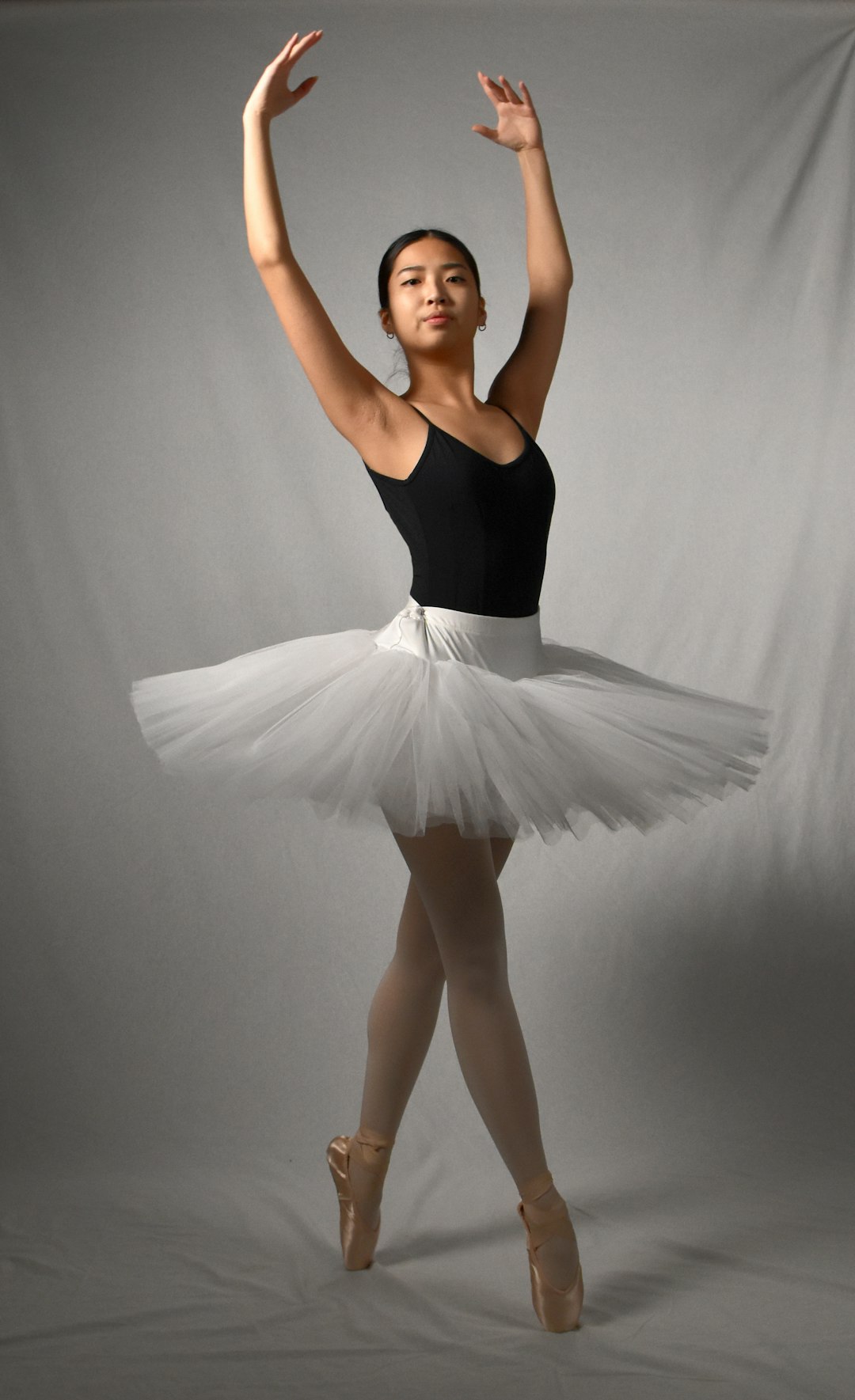
Every intermediate Flamenco dancer eventually confronts the same frustrating paradox: you execute steps correctly, your compás is solid, yet something essential remains missing. The movements are there, but the duende—that mysterious soul of Flamenco—eludes you. This plateau separates competent dancers from artists. Crossing it requires not merely more practice, but deeper, more deliberate practice.
Here is how to bridge that gap.
Technique: The Invisible Foundation
Intermediate dancers often believe technique is something to transcend. The opposite is true: technical refinement becomes more critical, not less, as you advance. The difference lies in what you prioritize.
Postural Integrity. Refine your apoyo—the alignment of your supporting leg—to achieve the characteristic Flamenco hip position without tension. Many intermediates force the aesthetic, creating rigidity that kills musical responsiveness. The goal is structural clarity that remains dynamically alive.
Footwork Precision. For zapateado, practice the llamada pattern at varying tempos to clean your golpe and tacón sounds. Record yourself: the mirror lies, but audio does not. If your rhythms blur at speed, slow down. Clean sound at 80 BPM always triumphs over muddy execution at 120.
Arm Efficiency. In braceo, eliminate shoulder elevation by initiating movement from the dorsal ancho (upper back) rather than the wrists. Watch recordings of Carmen Amaya or Merche Esmeralda: the arms originate from the spine, not the hands. This distinction transforms tiring decoration into integrated expression.
Diagnostic exercise: Record yourself monthly from multiple angles. Identify tension patterns—raised shoulders, gripping toes, held breath. These physical habits are also interpretive habits; they constrain your emotional range.
Rhythmic Authority: Beyond Counting
Understanding compás and owning it are different achievements. Intermediate dancers count; advanced dancers breathe the rhythm.
Expand Your Palos Vocabulary. Move beyond Soleá and Alegrías—the comfortable territory of most intermediates—to explore Bulerías or Tangos. Each palo demands distinct emotional registers and rhythmic structures. Bulerías requires improvisational wit within strict 12-beat cycles; Tangos demands earthy directness. You cannot develop rhythmic authority dancing only what you already know.
Master the Marcaje vs. Desplante Decision. Intermediates often attack when they should mark, or mark when they should attack. Learn to read the cante: when the singer stretches a phrase, mark with llamadas that acknowledge the tension; when the letra resolves, cut through with desplantes that release it. This is not choreography—it is conversation.
Cultural Fluency: Dancing What You Understand
Flamenco emerged from the cultural crucible of Andalusia, synthesizing Romani, Moorish, Jewish, and Andalusian traditions. To dance without this knowledge is to speak a language without understanding its poetry.
Study Cante Structure. The letra (lyrics) determines your interpretive choices. Learn to recognize salidas (openings), remates (climactic phrases), and cambios (transitions). Dancers who ignore the cante remain technically proficient tourists; those who internalize it become participants in a living tradition.
Immerse Strategically. Read Flamenco: Gypsy Dance and Music from Andalusia by Claus Schreiner. Watch Flamenco, Flamenco by Carlos Saura. Attend juergas—informal gatherings where Flamenco lives in its most authentic form. The tablao shows you performance; the juerga shows you possibility.
Musical Training: The Hierarchy of Escucha
Flamenco is not danced to music; it is danced with it. Developing escucha—active, responsive listening—transforms your relationship to accompaniment.
Begin with Recorded Cante and Toque. High-quality recordings of Camarón de la Isla, Paco de Lucía, or Tomatito provide consistent reference for daily practice. Use them to internalize structural patterns without the pressure of live responsiveness.
Progress to Fin de Fiesta Gatherings. These informal juergas offer live experience without performance stakes. You learn to adapt to tempo variations, unexpected cambios, and the collective energy of musicians who may never have met before.
Advance to Structured Ensayos. When preparing for performance, rehearse with professional musicians. This demands real-time *escucha