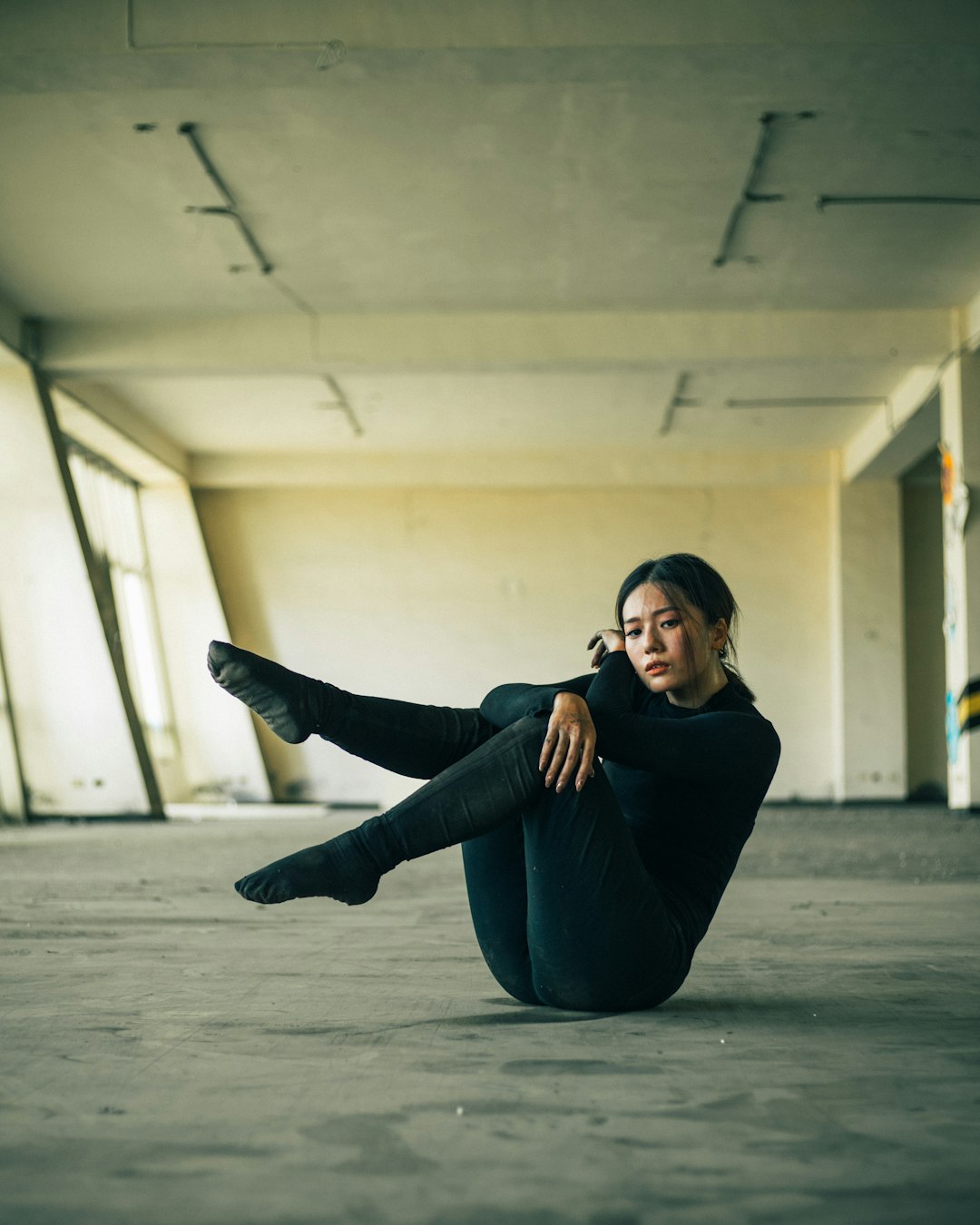
On a Saturday afternoon in Brownsville, Brooklyn, the basement of Tuff City Styles vibrates with the slap of linoleum against palm and the shouted counts of a cypher circle. A dozen dancers trade rounds of footwork in the center while others film on their phones, shout encouragement, or stretch against spray-painted walls. This is not a polished performance space. It is a working gym, and it has become one of the most consequential training grounds for breakdancing's next generation.
As breaking makes its Olympic debut in 2024, attention has turned to where elite B-Boys and B-Girls are sharpening their skills. Answer: increasingly, right here in Brownsville.
Why Brownsville, and Why Now
Brownsville's emergence in the breaking world did not happen in a vacuum. The neighborhood sits in central Brooklyn, roughly forty minutes by subway from the South Bronx, where breaking took shape in the 1970s. For decades, Brownsville was better known for concentrated poverty and underinvestment than for cultural exports. That began to shift in the late 2000s, as rising rents in Manhattan and northern Brooklyn pushed artists, dancers, and studio owners farther east.
The opening of several affordable, industrial-format spaces changed the equation. Tuff City Styles, founded in 2009 on Belmont Avenue, was among the first to offer dedicated breaking floors and resident instructors. More recently, Chaos Dance Complex opened a 6,000-square-foot facility on Rockaway Avenue in 2019, adding separate rooms for technique classes, injury prevention, and video analysis. A third major hub, The Breakroom, launched in 2022 inside a converted warehouse on Livonia Avenue, emphasizing youth programs and competitive pipelines.
These three studios—distinct in philosophy but overlapping in membership—now anchor what many in the New York breaking community call the "Brownsville triangle."
The Facilities: Functional, Not Futuristic
The original draft of this article claimed that Brownsville's studios feature "immersive VR training rooms." That was not accurate. What these centers actually offer is more grounded and, to serious dancers, arguably more valuable.
Tuff City Styles maintains four sprung-maple floors designed specifically to reduce impact on wrists, knees, and spinal columns during freezes and power moves. Chaos Dance Complex installed a dedicated "battle room" with tiered seating, professional lighting, and a competition-grade sound system—used weekly to simulate tournament conditions. The Breakroom prioritizes open-floor cyphers and has partnered with a nearby sports-medicine clinic to offer on-site physical therapy and movement assessments.
No virtual-reality headsets. Just invested infrastructure, built over years, for a physically punishing art form.
The Instructors: Names That Carry Weight
The instructors teaching in Brownsville are not anonymous. They are documented competitors with real histories in the culture.
At Tuff City Styles, B-Boy Alien Ness—longtime member of the Mighty Zulu Kings and a veteran of New York's foundational breaking scene—teaches advanced power-move mechanics and battle strategy three days a week. His classes regularly sell out within hours of being posted online.
Chaos Dance Complex brought in B-Girl Bonnie, who competed in the 2018 Youth Olympics in Buenos Aires and now coaches the studio's competitive youth team. In a recent interview, she described her approach plainly: "I don't want them to copy my style. I want them to understand why I made certain choices in a battle, so they can build their own."
These are not celebrities dropping in for photo opportunities. They are resident teachers with ongoing relationships to their students.
Community, Access, and Tension
The breaking scene in Brownsville is genuinely collaborative. Weekly open sessions at The Breakroom welcome dancers of all ages and skill levels. An annual block party on Bristol Street, now in its sixth year, merges cyphers with local vendors and live DJs. Several studios operate scholarship programs for teenagers from neighboring housing developments.
But "elite training centers" is not a neutral description. It carries implications of exclusivity, cost, and professionalization that sit uneasily with breaking's grassroots origins. Monthly unlimited memberships at Chaos Dance Complex run $180. Drop-in classes at Tuff City Styles cost $25. These rates are lower than comparable programs in Manhattan, but they are not trivial for a neighborhood where the median household income remains well below the Brooklyn average.
Some local dancers have raised concerns that Olympic-era breaking is accelerating a split between "competition dancers" with resources and the informal park cyphers that sustained the culture for decades. The studios are aware of the tension. Both The Breakroom and Tuff City Styles have begun offering free outdoor sessions in summer months, explicitly framed as bridges between their membership programs and the broader neighborhood.
What Comes Next
Brownsville's role in breaking's Olympic moment is not about spectacle. It is about infrastructure: affordable space, experienced teachers, and a










