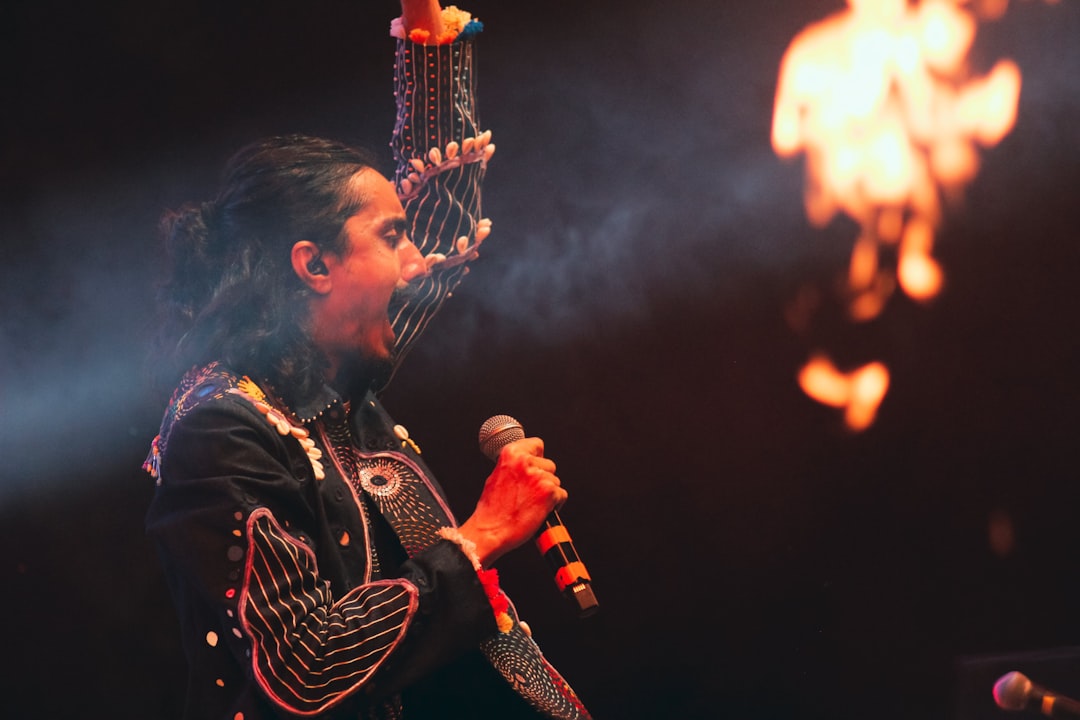
Where the dust of the playa meets the rhythm of the berimbau—a guide to the unexpected oasis of movement in Arizona's arid heart.
The vast silence of the desert is the perfect canvas for the music and movement of Capoeira. | Imaginary Credit
You might think of Quartzsite, Arizona, as a transient hub—a sprawling, sun-baked gathering place for rockhounds, snowbirds, and RV nomads. The landscape is a study in ochre and dust, where saguaros stand sentinel and the heat shimmers in waves. It’s the last place you’d expect to hear the twang of a berimbau, the beat of an atabaque, or see the fluid, acrobatic dance of a roda. And yet, here, in this most unlikely of settings, Capoeira has found a home.
This isn't about a glossy, permanent academy with sprung floors and mirrored walls. This is about something more organic, more resilient—a community that blooms in the dry air, as adaptable as the creosote bush. It’s a testament to the fact that Capoeira, born from resistance and ingenuity, can take root anywhere people yearn for connection, expression, and axé (life force).
The Unexpected Roda: How Capoeira Came to the Desert
The story isn't one of a single master planting a flag. It’s a story of convergence. A few years back, a traveling capoeirista, a contractor who followed work across the Southwest, began practicing in the empty lots at the edge of town. The rhythmic sounds drew curiosity. Then, a retired teacher from Salvador, missing the cadence of her homeland, recognized the music and joined in. An RV-dwelling software engineer, looking for a physical practice beyond the confines of his mobile home, found a YouTube tutorial and tentatively asked to learn.
"Capoeira is a tree. You can plant it in concrete, in sand, in stone. If you water it with dedication and community, it will grow." — Mestre Acordeon
From these scattered seeds, a weekly gathering formed. They met in the cool of early evenings, on a patch of hard-packed earth behind the Quartzsite Improvement Association hall. The "academy" was the open sky; the walls, the distant purple haze of the Plomosa Mountains. Word spread through the nomadic networks—the RV forums, the seasonal worker groups, the spiritual retreat circles. The roda grew.
What Makes Desert Capoeira Unique?
The Ground Teaches You: Training on hard, uneven desert soil demands a different kind of awareness. Your ginga becomes more grounded, your esquivas (dodges) lower and more stable. You learn to listen with your feet.
The Community is Fluid: Unlike a city academy with a fixed roster, your training partners change. You might play with a geologist for a month, a retired nurse for a season, a digital nomad for a week. This constant flux enriches the game, exposing you to countless styles and energies.
The Silence Amplifies the Music: In the profound quiet of the desert, the songs feel louder, more intimate. The clap of hands and the call of the puxada seem to echo off the very horizon, connecting you not just to the circle, but to the immense space around it.
Finding Your Circle: A Practical Guide for the Traveler
So, you're passing through Quartzsite, or maybe you've settled for a season, and you're looking to train. Here’s how to find the pulse:
- Follow the Sound: Ask at local community centers, the library, or even the famous "Tyson's Well" swap meet. The network is informal but strong.
- Seek the Symbols: Keep an eye out for bumper stickers or flags on RVs depicting berimbaus or the word "Capoeira." The nomadic community is proudly self-identifying.
- Embrace the Impermanence: Classes might be Tuesday and Thursday evenings at 5:30 PM... but always confirm. The location might shift with the weather or available space. Flexibility is part of the philosophy.
- Come as You Are: There’s no need for fancy abadas (uniforms) here. Wear comfortable, durable clothing you don’t mind getting dusty. Bring water—twice as much as you think you'll need.
The group is multi-generational and multi-level. You’ll see beginners learning their first au (cartwheel) alongside seasoned players with decades of experience. The hierarchy is less rigid, the focus is on shared joy and mutual support. The payment? Often a donation for the space, or a potluck contribution for the communal meal that often follows the roda.
More Than a Workout: The Spirit of the Desert Roda
This isn't just about fitness, though you will get strong. It's about creating an anchor in a transient life. For many living on the road, community is the most precious resource. The Quartzsite roda provides a fixed point in time—a weekly ceremony of sweat, song, and strategy. It becomes a family you choose, a place where you are known not by your vehicle or your past, but by the energy you bring to the circle.
In the vast, indifferent beauty of the desert, the Capoeira circle becomes a tiny, vibrant universe of human connection. It’s a reminder that culture isn't confined to city centers; it’s carried in the hearts of people and sparked wherever they gather. The desert, in its stark emptiness, makes the richness of the roda feel all the more profound.
So if you find yourself under the wide Arizona sky, listening for a rhythm beneath the whisper of the wind, know that a roda might be forming just over the next rise. All you have to do is step in.










