What Happens When You Stop Treating Capoeira Like a Workout
I signed up for a capoeira class because I thought it'd be cool cardio. Acrobatic kicks, some music, sweat — sounded like a fun Tuesday night. Three months later I was sitting cross-legged on a cold concrete floor in Salvador da Bahia, watching two mestres play in a roda at midnight, and I realized I'd completely misunderstood what I'd gotten myself into.
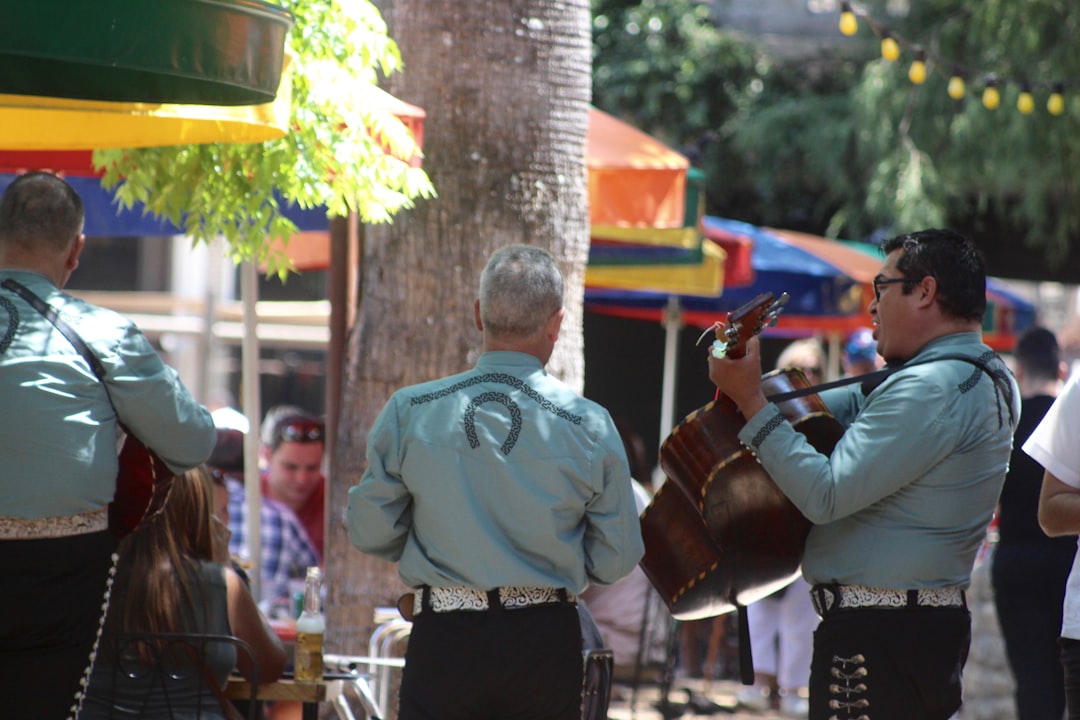
Capoeira isn't a workout that happens to have music. The music is the practice. The berimbau calls the game — fast or slow, aggressive or playful — and your body answers. Skip the music and you're just doing awkward cartwheels.
Born From Chains, Built on Defiance
The history here isn't comfortable, and it shouldn't be. Enslaved Africans in colonial Brazil developed capoeira as a way to train their bodies to fight — without looking like they were fighting. Slave owners saw dancing. What they missed were the sweeps, the headbutts, the escapes hidden inside those fluid transitions.
That tension between beauty and danger still sits at the center of every game. A good capoeirista looks graceful right up until the moment they don't.
The Moves That Actually Matter
Forget listing techniques like a textbook. Here's what you feel in your first class: the ginga. It's the constant swaying motion — one foot back, arms up, shift, repeat — that looks simple until your legs burn after ninety seconds. It's your home base, your breathing pattern, your way of staying ready without tensing up.
Then someone shows you the meia lua de frente — a crescent kick that arcs wide and low. Your instinct is to muscle through it. Wrong. Capoeira rewards the people who relax into the movement, who let momentum do half the work. Tension is how you get kicked in the ribs.
The au (basically a cartwheel) teaches you to commit. Hesitate mid-flip and you land on your wrist. Trust the movement and you come up smiling.
The Roda Changes Everything
Practice alone in your living room and capoeira is just gymnastics with attitude. Sit inside a roda — the circle formed by other players singing, clapping, and playing instruments — and it becomes something else entirely. You're not performing for an audience. You're in a conversation.
One player crouches low, inviting. The other approaches with an armada — a spinning back kick. The first drops into a negativa, sliding under it. No words exchanged, no referee, no score. Just two people reading each other's intentions and responding in real time.
Malícia is the word capoeiristas use for this. It's street smarts, game awareness, the ability to fake and read fakes. You can't learn it from a YouTube tutorial. You learn it by getting fooled, over and over, inside the roda.
What Your Body Gets Out of It
You'll develop flexibility you didn't know you were missing. Your core strength will jump dramatically in the first few months — all those inverted positions and controlled falls demand it. Cardio? Absolutely. A five-minute jogo in the roda leaves most people gasping.
But the physical stuff is almost secondary. What capoeira really trains is adaptability. You plan a sequence, your partner does something unexpected, and you improvise. That skill leaks into the rest of your life faster than you'd expect.
Why It Keeps Growing
Capoeira groups exist in nearly every major city now. Mestres from Brazil travel the world teaching, and each generation adds something new while guarding the traditions that matter. The songs are still in Portuguese. The instruments are still handmade when possible. The respect between student and teacher hasn't changed.
What's shifted is who shows up. Engineers, nurses, teenagers, retirees — the roda doesn't care about your background. It cares whether you're willing to play.
My Tuesday night cardio plan? It became something I can't quit. Not because of the exercise. Because every time I step into the roda, I learn something about myself that no mirror or treadmill ever showed me.