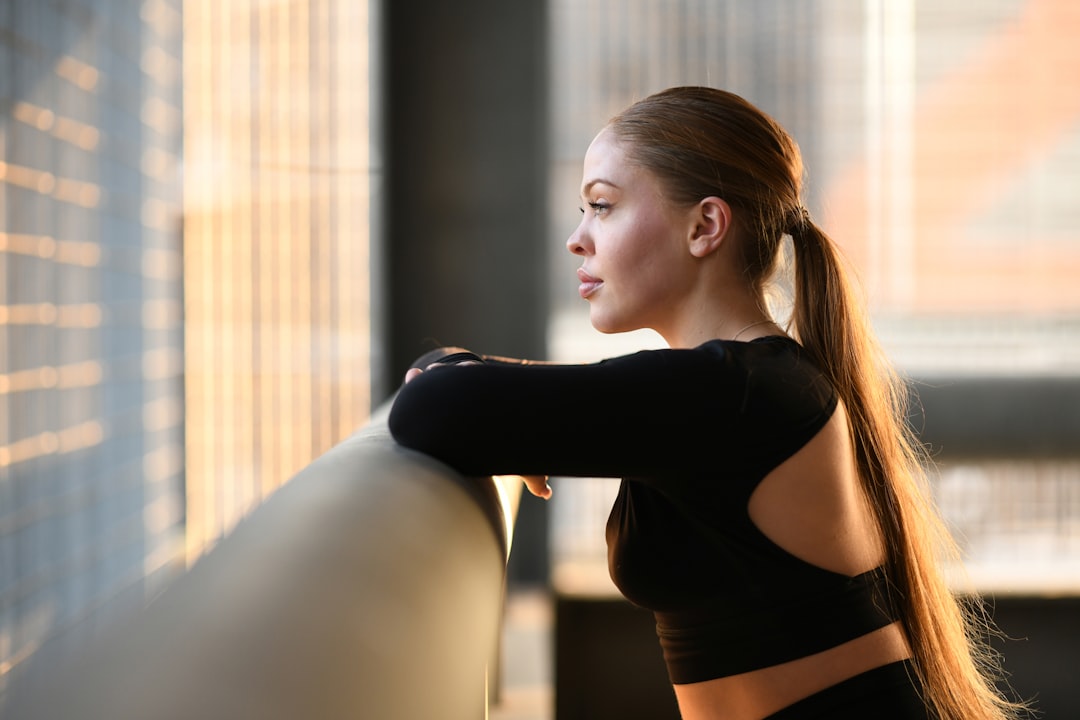
Contemporary dance emerged in the mid-20th century as choreographers rejected ballet's rigid vocabulary for grounded, expressive movement drawn from everyday gesture. Unlike the codified techniques of classical dance, contemporary training emphasizes improvisation, floor work, and individual artistic voice—making it both accessible to beginners and notoriously difficult to master professionally.
If you're drawn to this fluid, boundary-pushing art form, here's what you actually need to know about starting your journey.
1. Build Your Foundation: Classes That Matter
Beginner contemporary classes at local studios offer an entry point, but understand what you're signing up for. Contemporary dance isn't a single technique—it's an umbrella spanning multiple methodologies:
| Method | What You'll Learn | Best For |
|---|---|---|
| Graham | Contraction, release, spiraling torso | Dancers wanting dramatic, athletic movement |
| Cunningham | Clarity, spatial precision, leg strength | Those drawn to abstraction and musical complexity |
| Release Technique | Efficiency, gravity, minimal tension | Dancers seeking natural, sustainable movement |
| Gaga | Sensory awareness, improvisation, pleasure | Beginners and professionals reconnecting with instinct |
Studio vs. University Pathways: Community studios offer flexibility and lower cost. University programs (BFA or BA in Dance) provide structured progression, networking, and credentials—but often carry significant debt. Conservatory training (Juilliard, Purchase, CalArts) represents the elite pipeline but requires pre-professional readiness.
Reality Check: Most professional contemporary dancers begin training between ages 8–12. Starting as an adult doesn't preclude a career, but it typically extends your timeline and may limit company opportunities. Community performance and independent choreography remain viable alternatives.
2. Train Smarter: Beyond Repeating Combinations
"Practice" in contemporary dance means far more than drilling choreography. Establish a consistent training schedule—many professionals log 15–25 hours weekly beyond performance commitments.
Essential components to include:
- Cross-training: Pilates builds core stability; yoga develops the breath control and flexibility contemporary floor work demands
- Somatic practices: Feldenkrais, Alexander Technique, or Body-Mind Centering refine your movement efficiency and prevent injury
- Improvisation drills: Set a timer, pick a movement quality (fluid, sharp, collapsing), and generate material without self-editing
- Self-recording: Video your practice, but don't just hunt for flaws. Contemporary dance values presence—notice when you look engaged versus mechanical
Injury prevention isn't optional. Contemporary dance's extreme ranges and falling techniques destroy bodies without proper conditioning. Build rest into your schedule; chronic fatigue derails more careers than lack of talent.
3. Network Strategically: Go Where Choreographers Actually Are
Generic "networking events" waste time. Target gatherings where contemporary dance decisions get made:
- Artist residencies (Yaddo, Djerassi, Baryshnikov Arts Center): Apply even as an emerging artist; these seed future collaborations
- Showcases and open studios: Present work-in-progress rather than waiting for "finished" pieces
- Choreographer-led intensives: Many contemporary creators (Crystal Pite, Kyle Abraham, Pam Tanowitz) teach summer programs that function as extended auditions
- Grant panels and arts advocacy meetings: Understand how funding flows; these rooms contain presenters and producers
Online presence matters differently here. Instagram showcases your aesthetic, but contemporary dance values process over polish. Share rehearsal footage, studio experiments, and creative journals—not just performance highlights. Join Facebook groups for your specific region (NYC Dance, LA Contemporary, etc.) where gig postings and sublet announcements circulate.
4. Build a Portfolio That Contemporary Dance Actually Wants
Forget the generic "collection of your best work." Contemporary dance portfolios emphasize artistic development and creative thinking:
Include:
- Rehearsal footage showing how you generate and refine material
- Solo work demonstrating your choreographic voice (even if you want to perform, contemporary dancers are expected to create)
- Written artist statement articulating your movement interests and influences
- Process documentation: sketches, journal entries, video of failed experiments
Skip: Generic headshots, competition trophies, or clips of you in eight different styles unless each genuinely represents your artistic range. Contemporary dance prizes coherent vision over versatility for its own sake.
5. Audition with Intelligence—and Stamina
The leap from training to professional work spans years, not months. When you're ready:
Research before you show up. Contemporary companies have wildly different aesthetics—what reads as committed at one reads as excessive at another. Watch full works online, not just promotional clips. Understand whether they value technical precision, emotional rawness, or










