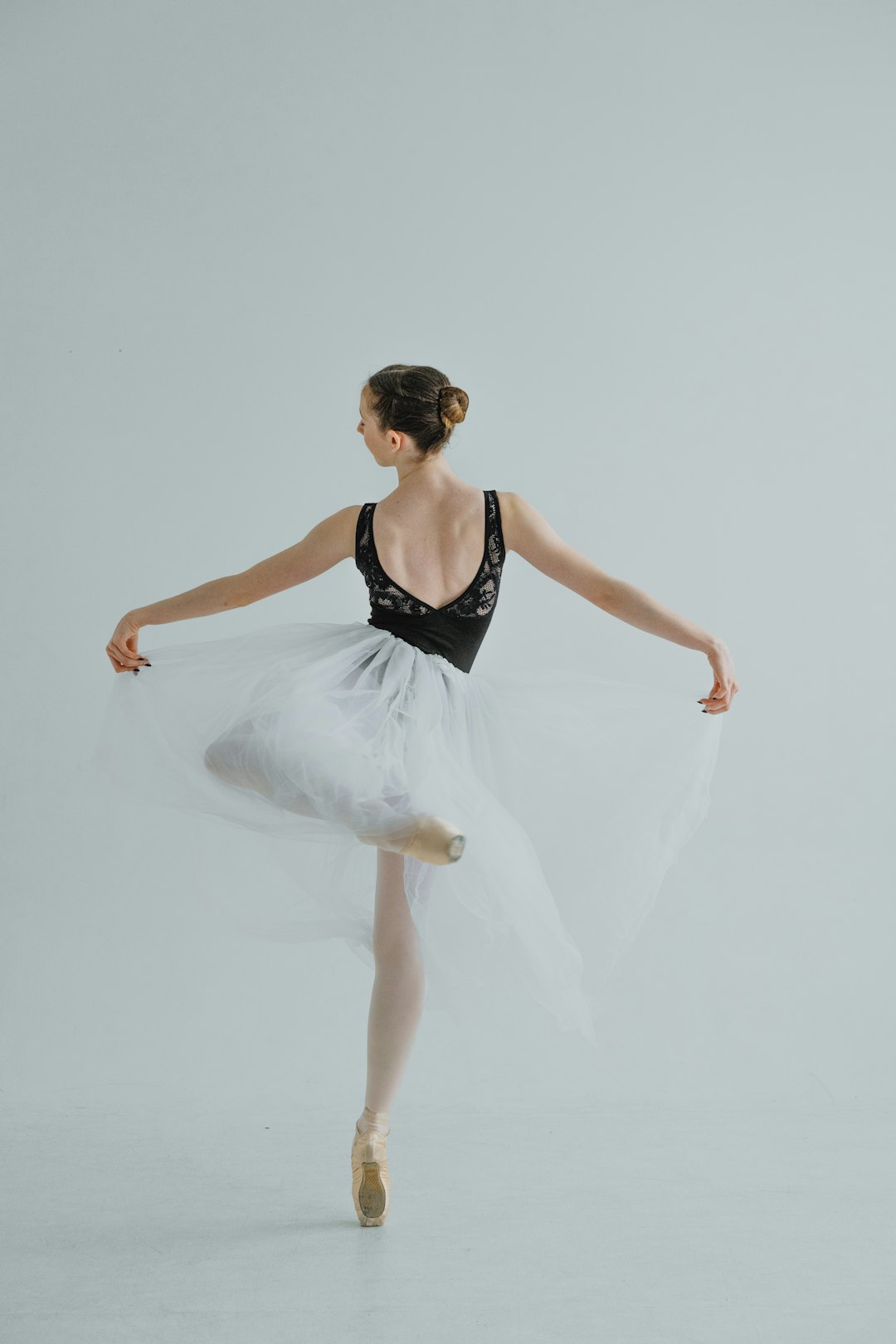
Contemporary dance demands technical precision, creative risk-taking, and entrepreneurial grit. Unlike classical ballet's structured company hierarchy, contemporary careers typically require dancers to function as independent artists—securing their own opportunities, managing their training, and constantly reinventing their artistic voice.
If you're serious about building a sustainable career in this field, here's how to move beyond generic advice and take deliberate, strategic action.
Phase One: Build Your Foundation
Master Multiple Techniques—With Purpose
Contemporary dance absorbs influences from across the movement spectrum, but not all training carries equal value. Prioritize these specific forms:
- Gaga technique for improvisation and sensory awareness
- Cunningham technique for spatial clarity and rhythmic precision
- Release technique for movement efficiency and injury prevention
- Contact improvisation for partnering skills and responsiveness
- At least one non-Western form—West African, Brazilian, or Southeast Asian dance—to expand your movement vocabulary beyond Eurocentric conventions
Quality matters more than quantity. Research instructors with professional performance credits and pedagogical training. A single intensive with a master teacher often surpasses months of mediocre classes.
Develop an Artistic Voice, Not Just a "Style"
"Finding your style" is insufficient advice. Instead, interrogate what moves you:
- Study choreography that disturbs or excites you. Analyze why—is it the use of weight, the relationship to music, the political content?
- Create solo material regularly, even without performance opportunities. Set a timer for 20 minutes and move without editing yourself.
- Work with choreographers who challenge your defaults. If you're naturally explosive, seek out slow, detailed work. If you're lyrical, try robotic or pedestrian movement.
Your artistic voice emerges from sustained, uncomfortable experimentation—not from repeating what feels good.
Phase Two: Professionalize Your Practice
Network by Creating Value First
The dancers who build sustainable careers don't collect business cards—they become indispensable. Specific tactics:
- Understudy without pay for choreographers whose work you admire. Document rehearsals professionally. Offer to organize costumes or music edits.
- Volunteer at festivals like Springboard Danse Montréal or ImPulsTanz. The access to international artists justifies the labor.
- Document others' work with photography or video if you have skills. Emerging choreographers need this; you'll build relationships and see inside their process.
Meaningful professional relationships form through demonstrated contribution, not cocktail conversation.
Curate Your Industry Awareness
Stop following "dance inspiration" accounts. Instead:
| Resource | What You'll Gain |
|---|---|
| Dance Magazine and The Dance Enthusiast | Funding announcements, company closures, hiring trends |
| Springboard Danse Montréal, ImPulsTanz, American Dance Festival | Festival programming reveals which choreographers are rising |
| Instagram: @batsheva.dance, @punchdrunkuk, @trajalharrell | Companies and artists redefining the form |
Set a monthly calendar reminder to review audition listings, even when you're not looking. Notice which companies are expanding, contracting, or shifting aesthetic direction.
Document Your Work Professionally
No reel means no consideration. Standards have risen:
- Reel: 90 seconds maximum, front-loaded with your strongest footage. Include close-ups and full-body shots. Label clearly: your name, height, and contact information.
- Photography: Invest in one session annually with a dance-specific photographer. Generic headshots signal amateur status.
- Website: Simple, fast-loading, mobile-optimized. Bio, reel, selected credits, upcoming performances, contact. Update monthly.
Treat this infrastructure as non-negotiable professional equipment, not self-promotion.
Understand the Financial Reality
Contemporary dance rarely provides stable employment. Build fluency in:
- Project-based budgeting: Calculate your actual cost per project (lost teaching income, travel, training). Price your work accordingly.
- Grant writing: Study successful applications to Canada Council, New England Foundation for the Arts, or your regional arts funder. The skill transfers across projects.
- Teaching as strategy: Choose supplementary work that advances your career—guest residencies build networks; anonymous gym classes do not.
Geography shapes opportunity. Berlin, Montreal, New York, and Tel Aviv host dense networks of contemporary companies, festivals, and funding bodies. Relocation requires resources, but staying in a thin market demands exceptional self-producing capacity. Weigh this strategically.
Phase Three: Ensure Longevity
Train Your Body Specifically
Contemporary dance's floor work and asymmetrical loading patterns create injury risks distinct from ballet or sports. Generic fitness advice fails here.
Work with a dance-specific physical therapist to identify your individual biomechanical vulnerabilities—hypermobile hips, thoracic stiffness, ankle instability. Prioritize:
- Proprioceptive training (balance boards, eyes-closed