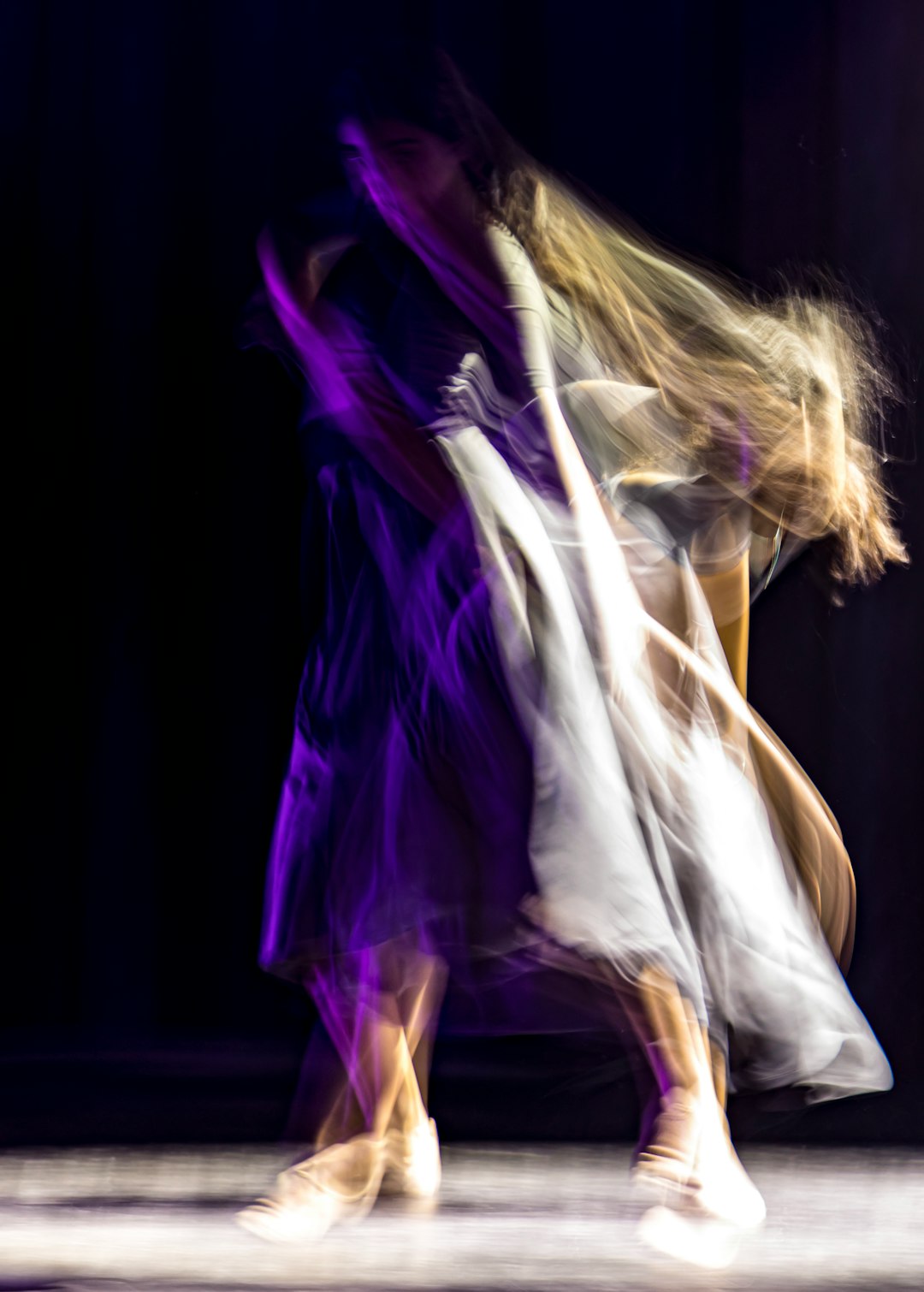
The first time I walked into a contemporary dance class, I was 34, wearing running shoes, and convinced everyone would notice I didn't know my left from my right. Forty-five minutes later, I was crawling across the floor to a Bon Iver track—sweaty, disoriented, and inexplicably lighter. Something had shifted. Not my technique (there was none), but my willingness to be seen in uncertainty.
That's the peculiar alchemy of contemporary dance. It doesn't demand perfection. It demands presence.
What Contemporary Dance Actually Feels Like
Forget the dictionary definition. Contemporary dance lives in the space between control and surrender. Where ballet reaches upward and hip-hop locks into rhythm, contemporary sinks into weight—rolling through the spine, melting into the floor, exploding into space with breath as your engine.
Picture this: a dancer starts curled on the ground, not because it looks dramatic, but because gravity is the first partner you learn to trust. The movement builds through the torso, not the limbs. A shoulder drops. A hip leads. Suddenly you're standing, but differently—more in your body than on top of it.
This fusion of modern dance's rebellion, jazz's athleticism, and ballet's line creates something uniquely democratic. No ideal body type. No single right way. Just you, the music, and whatever honest response your body produces.
Why This Specific Dance Builds Lasting Confidence
Contemporary dance operates on principles that directly counter confidence erosion:
Improvisation as low-stakes decision-making. Most classes include moments where the teacher calls "freestyle"—eight counts to move however your body suggests. This isn't chaos; it's practice. You learn that split-second choices won't destroy you. The mirror shows someone choosing, not failing.
Vulnerability as technique. Unlike styles where you execute predetermined steps, contemporary rewards emotional exposure. The "weird" movements—these are features, not bugs. When you survive looking strange and receive guidance rather than judgment, shame loses its grip.
Progress you cannot fake. You can't phone in a floor recovery or a breath-initiated arm pathway. The body reveals effort honestly. This means accomplishment feels earned, not performative.
Research from the University of Derby found that dance participants showed significant improvements in self-efficacy compared to other exercise forms, precisely because of this embodied accountability—your progress is visible, kinetic, undeniable.
Preparing for Your First Class: The Practical and Emotional
Finding Your Entry Point
In-person: Look for studios offering "Contemporary Basics" or "Beginner Contemporary"—not "Beginner/Intermediate," which often skews experienced. Community centers and university extension programs frequently provide more patient, diverse environments than competitive studios.
Online: If geography or anxiety makes in-person daunting, start with structured programs like CLI Studios or DancePlug's beginner contemporary tracks. Avoid random YouTube compilations; you need progressive sequencing, not impressive clips that skip fundamentals.
What to Actually Wear
Leggings or joggers that stay put during floor work. A fitted top—baggy shirts obscure alignment feedback you'll need from the mirror. Bare feet or socks with grip. That first class is not the time for your new purchase; wear something that feels like you.
The Emotional Architecture
Contemporary classes have distinct vulnerability checkpoints:
| Moment | The Fear | The Reframe |
|---|---|---|
| Walking into the studio | "Everyone will know I don't belong" | Beginners arrive weekly. Regulars are focused on their own bodies, not auditing yours. |
| The mirror | "I look ridiculous" | The mirror is information, not judgment. Notice alignment, not aesthetics. |
| Improvisation prompts | "I have nothing to offer" | There is no "wrong" response to "move like water." Curiosity beats creativity. |
| Floor work | "This is undignified" | The floor is contemporary's home territory. Everyone looks different down there. |
Three Movements to Try Before You Go
These exercises build the sensory awareness contemporary demands:
1. The Breath-Initiated Arm Pathway
Stand with eyes closed. Inhale deeply, and let your right arm rise as if pulled by the breath itself—not muscle, but expansion. Exhale, let it fall through space like sand. Repeat with left. Then both together. Notice: Who moves you?
2. The Floor Recovery
From standing, melt downward—knees soft, spine rolling vertebra by vertebra—until your hands touch ground. Walk them forward to plank. Then reverse: press back through hands, roll up through spine, head last. The goal isn't speed. It's sequentiality—each part of your spine awake and articulate.
3. The Weight Shift
Stand with feet wider than hips. Shift all weight to right foot. Let left foot become *