Your first contemporary dance class may begin on the floor. Not at the barre, not in perfect alignment, but curled into yourself, learning to breathe into your ribs, to let your weight sink into the ground. This is contemporary dance: an art form that asks not "Can you execute the steps?" but "What do you have to say?"
Whether you are a complete beginner nervous about stepping into a studio, or an intermediate dancer ready to deepen your practice, this guide will help you move from curiosity to confidence.
What Is Contemporary Dance?
Contemporary dance emerged in the mid-20th century as a response to the rigidity of classical ballet, drawing from modern dance, jazz, and global movement traditions. Rather than rejecting technique, it reimagines it: a plié might melt into a roll across the floor; a pirouette might dissolve into an off-balance fall and recovery.
The result is a form that values both technical training and individual expression. Dancers train rigorously—building strength, flexibility, and coordination—while also developing the ability to improvise, interpret, and make movement their own. If ballet is often described as painting within precise lines, contemporary dance is learning to paint with your whole body, sometimes outside the frame entirely.
Taking Your First Steps
Beginning contemporary dance does not require a perfect body, prior experience, or natural grace. It requires curiosity and a willingness to feel awkward. Here is how to start.
Find the Right Class
Not all beginner classes are created equal. Look for studios that offer absolute beginner or open-level contemporary classes, and do not be afraid to ask questions before signing up:
- Class size: Smaller classes (8–15 students) mean more individual feedback.
- Instructor background: Have they trained in contemporary techniques such as Graham, Cunningham, Horton, or release-based work?
- Trial options: Does the studio offer a drop-in or trial class?
- Class atmosphere: Is the environment supportive and non-competitive?
If you feel intimidated, call ahead. Most studio owners welcome nervous beginners and can recommend the right entry point.
Dress for Movement
Contemporary dance asks you to lie down, spiral, stretch, and sometimes move across the floor with speed. Choose clothing that stays close to your body without restricting you:
- Leggings or fitted shorts
- Tank tops or fitted T-shirts
- Bare feet or socks with grip (some studios allow foot undies or ballet slippers)
Avoid baggy clothing that hides your alignment or restricts your teacher's ability to see your movement.
Warm Up with Intention
Every class should begin with a warm-up, but you can prepare your body before you arrive. Gentle dynamic stretching—leg swings, shoulder rolls, spinal waves—awakens your muscles and joints. This is not just injury prevention; it is the first conversation between your mind and your body that day.
Learn the Foundations
Beginner contemporary classes typically focus on:
- Floor work: Learning how to lower yourself to the ground, travel across the floor, and rise back up with control.
- Improvisation: Short exercises where you explore your own movement responses to music, imagery, or breath.
- Basic technique: Parallel positions, contractions, releases, and simple traveling steps.
Partnering techniques are generally introduced at the intermediate level or higher. Do not worry if your first classes never involve touching another dancer—foundations come first.
Immerse Yourself in the Culture
Watching and reading will accelerate your understanding faster than studio time alone. Start here:
- Watch performances: Look for works by Pina Bausch, Crystal Pite, Akram Khan, Hofesh Shechter, or Alvin Ailey American Dance Theater (whose Revelations bridges modern and contemporary traditions).
- Learn the history: Read about pioneers like Martha Graham, Merce Cunningham, and Alvin Ailey, who shaped what contemporary dance would become.
- Explore styles: Contemporary dance is not monolithic. A Graham class feels very different from a release-technique or commercial contemporary class. Try different approaches to find what resonates with you.
Growing as a Dancer
Once you have attended classes regularly for a few months, you will likely feel the itch to progress. Focus on these three areas.
Build Your Body
Contemporary dance demands both flexibility and strength. Supplement your classes with:
- Stretching routines: Target hips, hamstrings, and spine mobility.
- Core conditioning: Planks, dead bugs, and Pilates-based exercises support the controlled, initiated movement contemporary dance requires.
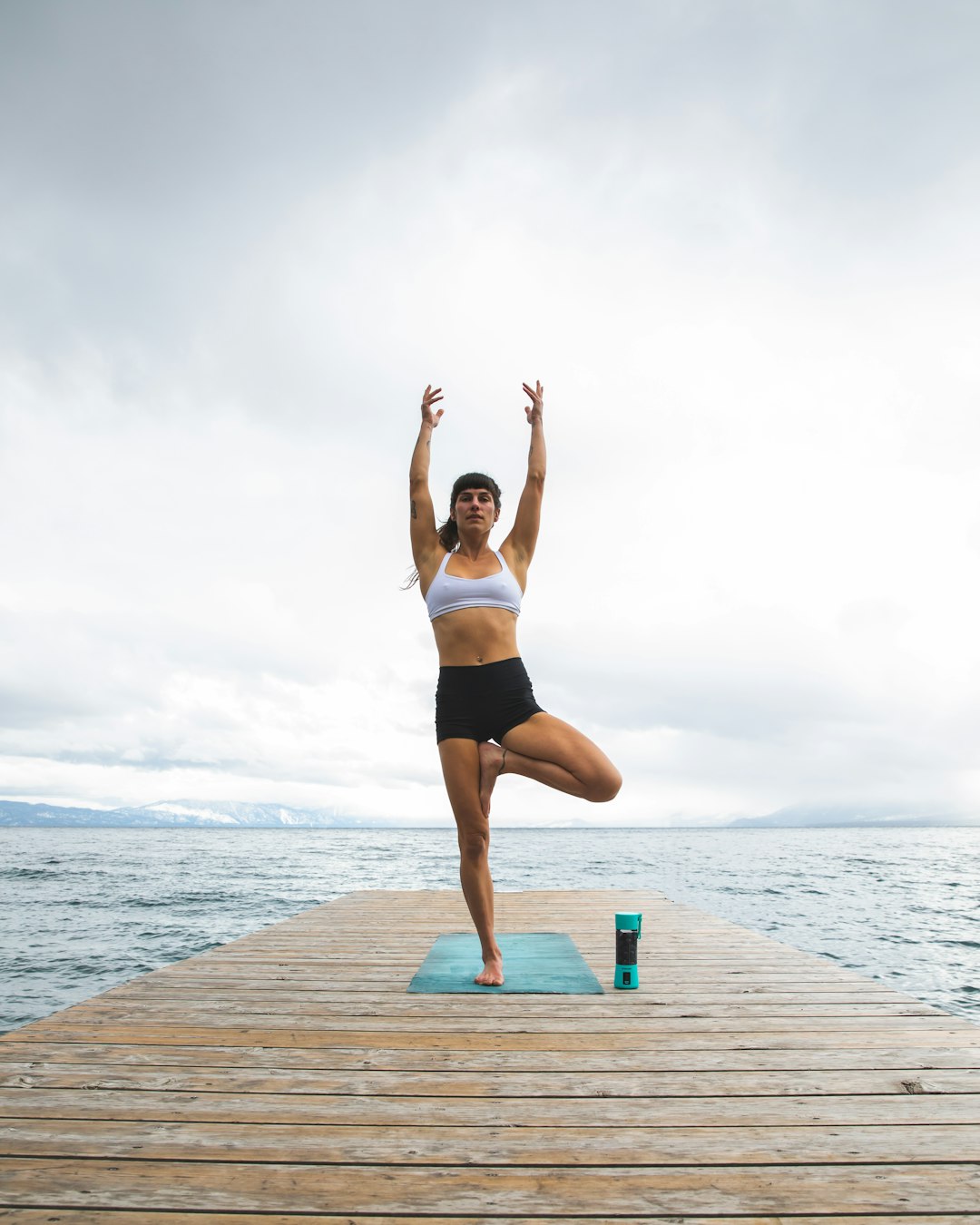
- Cross-training: Yoga, swimming, or strength training can improve stamina and prevent injury.
Develop Your Artistic Voice
Technique gives you tools; artistry gives you something to say with them. Experiment with:
- Learning choreography from different teachers and styles
- Filming yourself improvising to various types of music