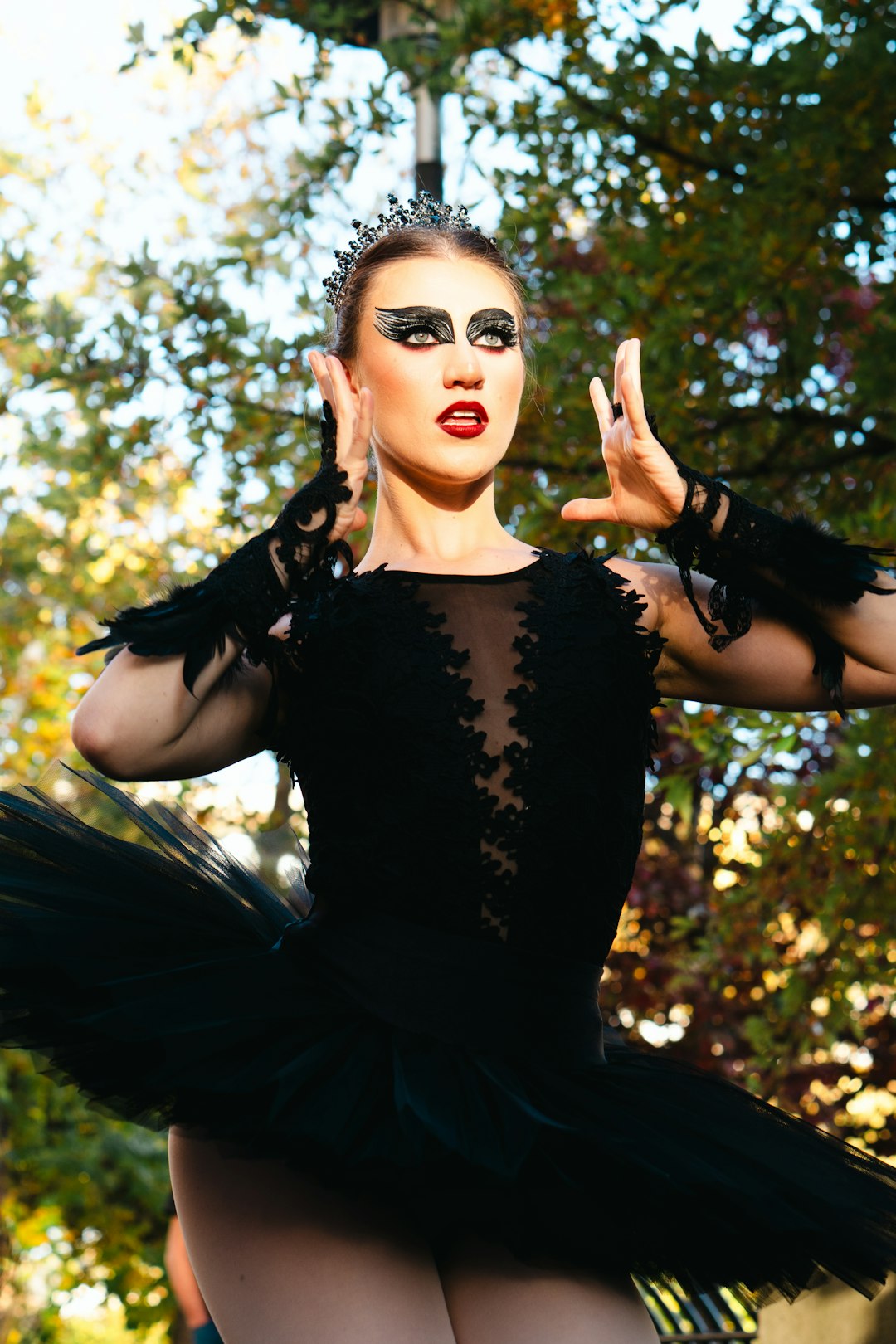
Walking into your first contemporary dance class, you might notice the mirrors first, or the bodies warming up on the floor, or the silence that isn't quite silence—just breath and shifting weight. Whatever you notice, you'll likely feel it in your chest: that particular blend of anticipation and exposure that comes from preparing to move honestly in front of strangers.
This guide cuts through the vague encouragement to give you concrete, practical knowledge: what contemporary dance actually is (and isn't), what you'll do in class, what to wear, and how to translate your practice into meaningful personal growth.
What Contemporary Dance Actually Means
Let's dispel a common misconception. Contemporary dance is not simply a "fusion" of modern, jazz, and ballet—though you may encounter elements of each. More accurately, it emerged from modern dance in the mid-20th century as choreographers rejected the rigid techniques of ballet and the established conventions of modern masters like Graham and Horton.
What defines contemporary dance is its questioning nature. Where ballet asks "how perfectly can you execute this form?", contemporary dance asks "what do you want to communicate, and what movement best serves that intention?" This makes it simultaneously liberating and demanding—there are no fixed positions to hide behind, only your own choices to stand by.
In practice, this means you'll encounter:
- Floor work: movements initiated from and returning to the ground
- Release technique: using gravity and breath rather than muscular tension to generate motion
- Improvisation: structured exploration of your own movement vocabulary
- Partnering: weight-sharing and responsive touch (in more advanced classes)
What to Wear and Bring
Your clothing choices directly affect your learning. Contemporary dance requires visibility of alignment and freedom of movement.
Footwear: Most beginners work barefoot to develop foot strength and sensitivity. If your studio floor is unforgiving, consider:
- Thin cotton socks with grips (avoid thick athletic socks that mask floor feedback)
- Foot gloves or half-sole lyrical shoes for protection without bulk
- Avoid: running shoes, which restrict ankle mobility and prevent proper foot articulation
Clothing: Form-fitting tops and bottoms that allow your instructor to see your spine and hip alignment. Leggings or fitted shorts work well; avoid baggy pants that obscure knee position. Layers help—you'll start cool and sweat more than you expect.
Essentials: Water, a small towel, and a notebook. Choreography in contemporary dance often blends set material with improvised sections; you'll want to record both the steps and the qualities your instructor emphasizes.
The Fundamentals: Beyond "Good Posture"
Forget "head, shoulders, spine aligned." Contemporary dance demands dynamic alignment—a responsive relationship with gravity rather than a fixed position.
Finding your axis: Imagine a string pulling gently upward from the crown of your head. This lengthening creates space between each vertebra, allowing your shoulders to settle naturally rather than hunch toward your ears. Your spine becomes a dynamic axis rather than a rigid pole—responsive but supported.
Weighted release: Unlike ballet's upward lift, contemporary dance often works with downward energy. Practice standing with feet hip-width apart, knees soft, and allowing your weight to sink evenly through both feet into the floor. This groundedness becomes the foundation for explosive movement.
Breath as initiation: Watch experienced contemporary dancers and you'll notice movement often begins with exhalation—not muscular effort. Try this: stand still, exhale fully, and notice what wants to happen naturally in your body. That responsiveness is the seed of contemporary technique.
Spiral and fall: Contemporary dance rarely moves in straight lines. Practice allowing your sternum to initiate rotation, letting your ribs, shoulders, and gaze follow sequentially. Then explore controlled falling—shifting weight beyond your base of support and choosing when to catch yourself.
How to Improve: Specific Practices
Train your eyes: Contemporary dance has its own lineage. Watch works by Pina Bausch, Crystal Pite, Hofesh Shechter, and Akram Khan—not to copy, but to understand the range of what's possible. Notice how different choreographers use repetition, stillness, and vocalization.
Develop your core through release, not just contraction: Traditional "core work" emphasizes tightening; contemporary dance requires a core that can release and rebound. Practice lying supine, exhaling completely, and allowing your abdominal wall to soften toward the floor. Then, on your next inhale, feel how the natural expansion creates stability without gripping.
Improvise with constraints: Give yourself specific tasks rather than "dance freely." Examples: move only your upper body while your legs remain planted; travel across the floor without lifting your feet from the ground; make your movement quality match a specific texture (heavy, sharp, fluid, brittle).
Cross-train strategically: Yoga builds useful flexibility but can overemphasize static positions. Supplement with:
- Pilates for deep core control


