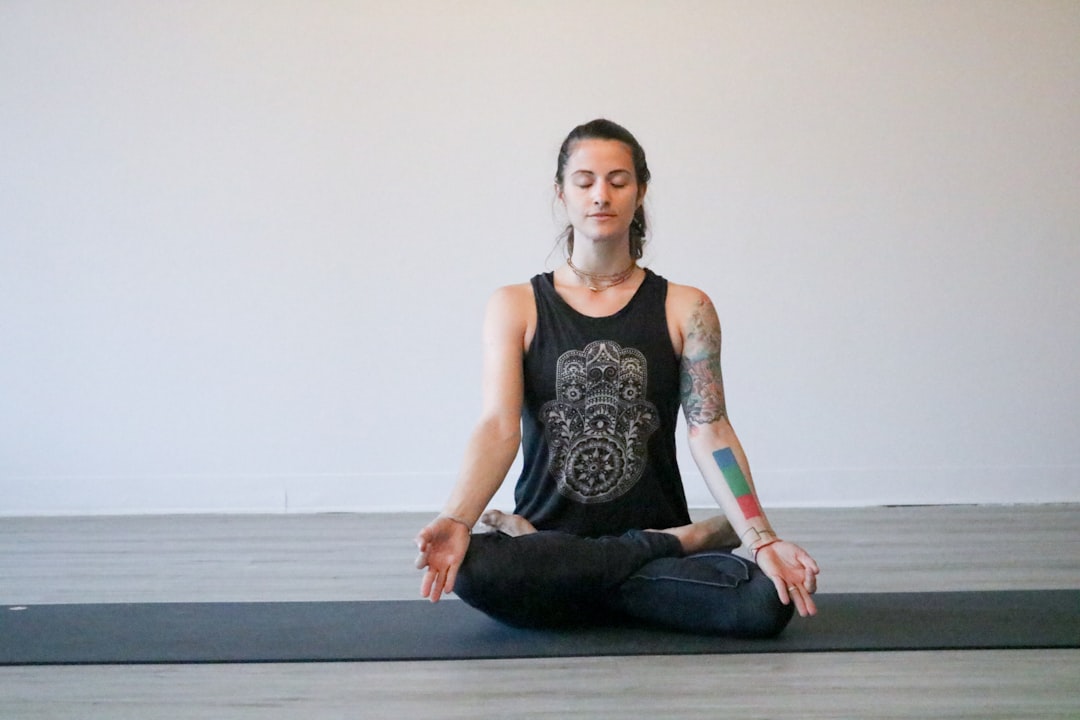
You don't need to touch your toes. You don't need to know what a plié is. You don't even need to feel "graceful." The only requirement for contemporary dance is a willingness to move honestly.
If you've been curious about stepping into a studio but aren't sure what awaits you, this guide will walk you through what contemporary dance actually is, how to prepare for your first class, and what skills you'll begin building from day one.
What Is Contemporary Dance, Really?
Contemporary dance emerged in the mid-20th century as artists broke away from the rigid conventions of classical ballet. Today, it's a vast, evolving field that draws from multiple lineages—Graham's dramatic contractions, Cunningham's precise athleticism, Release technique's emphasis on ease and breath, and more recent approaches like Gaga's focus on sensation and improvisation.
What unites these styles is a shared priority: using the body as a tool for authentic expression. But here's what surprises many beginners—contemporary dance is often highly structured. You will spend far more time learning technique, coordination, and movement quality than freely improvising across the floor. Improvisation is simply one tool among many, introduced gradually as you build physical literacy and confidence.
A typical beginner class follows a predictable arc: a floor-based warm-up, center exercises for alignment and balance, traveling sequences across the room, a short choreography phrase, and a final cool-down. Knowing this structure can ease the nerves that come with any first-timer's uncertainty.
How to Prepare for Your First Class
Find the Right Studio
Not every contemporary class is beginner-friendly. Look for descriptions that explicitly say "absolute beginner," "intro," or "open level." Beyond the label, try to determine the studio's focus—some emphasize technique and conditioning, others lean into improvisation or learning choreography. Most beginners thrive in technique-focused environments where foundational skills are prioritized.
If your schedule and comfort allow, observe a class before enrolling. Notice how the instructor speaks to students. Do they offer corrections? Is the atmosphere supportive or competitive? A quality teacher will challenge you without leaving you behind.
Dress for Movement and Visibility
Forget the image of flowing, billowy dancewear. For contemporary class, opt for fitted but stretchy layers—leggings or joggers with a breathable tank or T-shirt. Avoid overly baggy clothes, which can hide your alignment from the instructor (and catch on yourself during floor work).
Bare feet are standard, but bring socks with grips for slippery studio floors. Some dancers prefer foot undies or canvas jazz shoes for extra protection during repeated floor work. Leave jewelry at home; it can snag, fly off, or distract.
Warm Up With Intention
Most classes include a guided warm-up, but arriving five to ten minutes early to gently mobilize your joints and elevate your heart rate is worthwhile. Focus on your hips, spine, and shoulders—the areas contemporary dance asks the most of. A few minutes of light dynamic stretching beats sitting in a deep static stretch on cold muscles.
Four Foundations You'll Begin Building
1. Breath and Initiation
Before you learn any step, you'll learn where movement starts. In contemporary dance, breath often initiates motion—a softening of the ribs, a shift of weight, an unfolding of the spine. This connection between breath and body creates the fluid, organic quality the style is known for. It also keeps you from holding tension where you don't need it.
2. Floor Work
You'll spend significant time on the ground. Rather than fighting gravity, contemporary dance teaches you to yield your weight into the floor—to think of the ground as a partner, not an obstacle. You'll practice rolling smoothly across your back, sliding through low positions, and transitioning from standing to floor with control. These skills build quickly, but the first few classes may leave your hips and shoulders pleasantly surprised.
3. Balance and Control
Contemporary dance favors off-balance movements: tilts, suspensions, and shifts of weight that hover at the edge of stability. Developing your balance and core control allows you to move through these moments with precision rather than panic. Expect exercises that challenge your standing leg, your spatial awareness, and your ability to recover gracefully from a wobble.
4. Improvisation (Introduced Gradually)
When improvisation does appear, it's usually structured—guided prompts like "move as if you're pushing through water" or "initiate from your tailbone." These exercises aren't about performing; they're about discovering your own movement preferences and building trust in your body's instincts. No one expects virtuosity. Curiosity is enough.
Building a Sustainable Practice
Consistency matters more than intensity. Even fifteen minutes of movement at home can reinforce what you learn in class. Here are three habits that accelerate progress:
- Set small, specific goals. "Keep my shoulders relaxed during the










