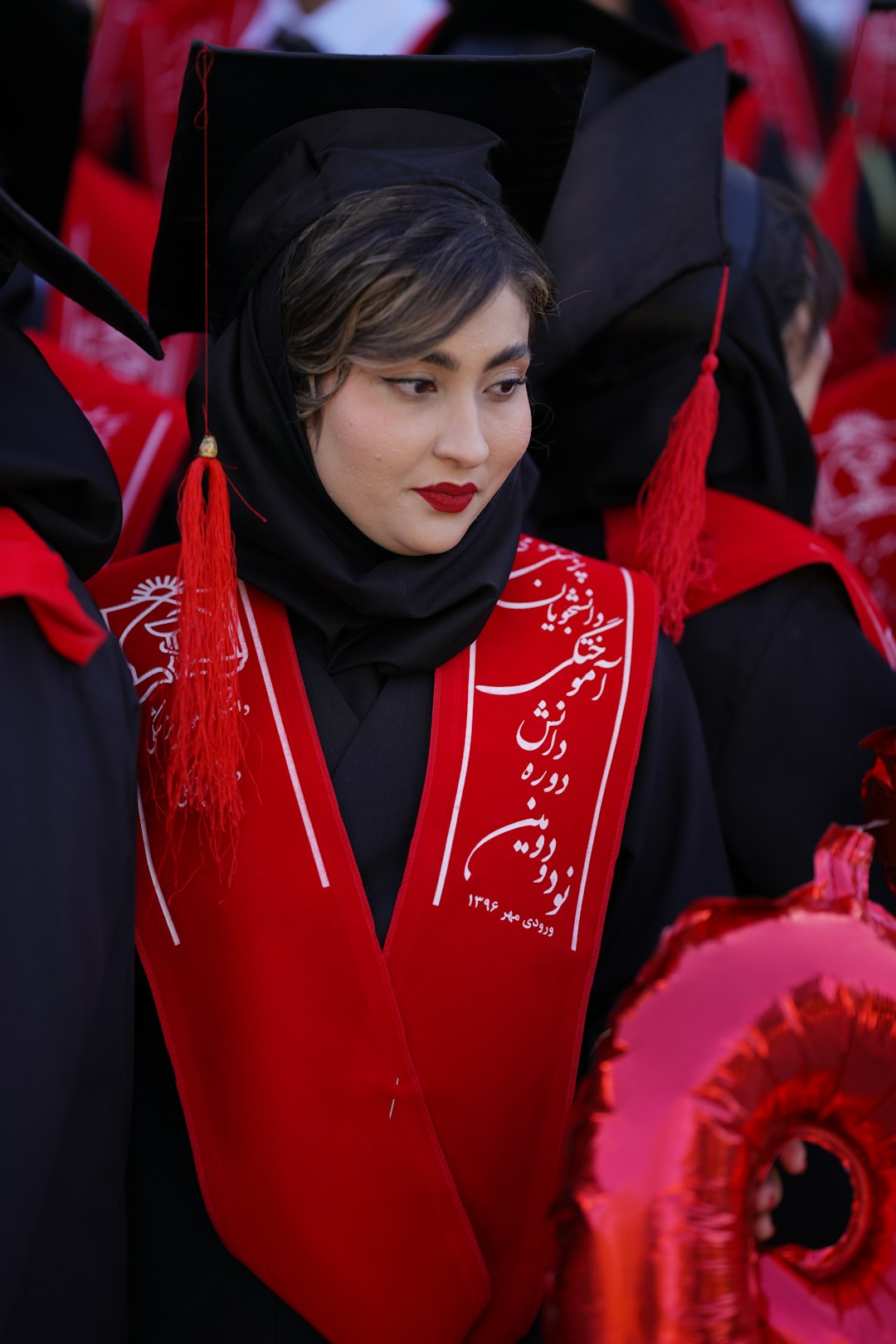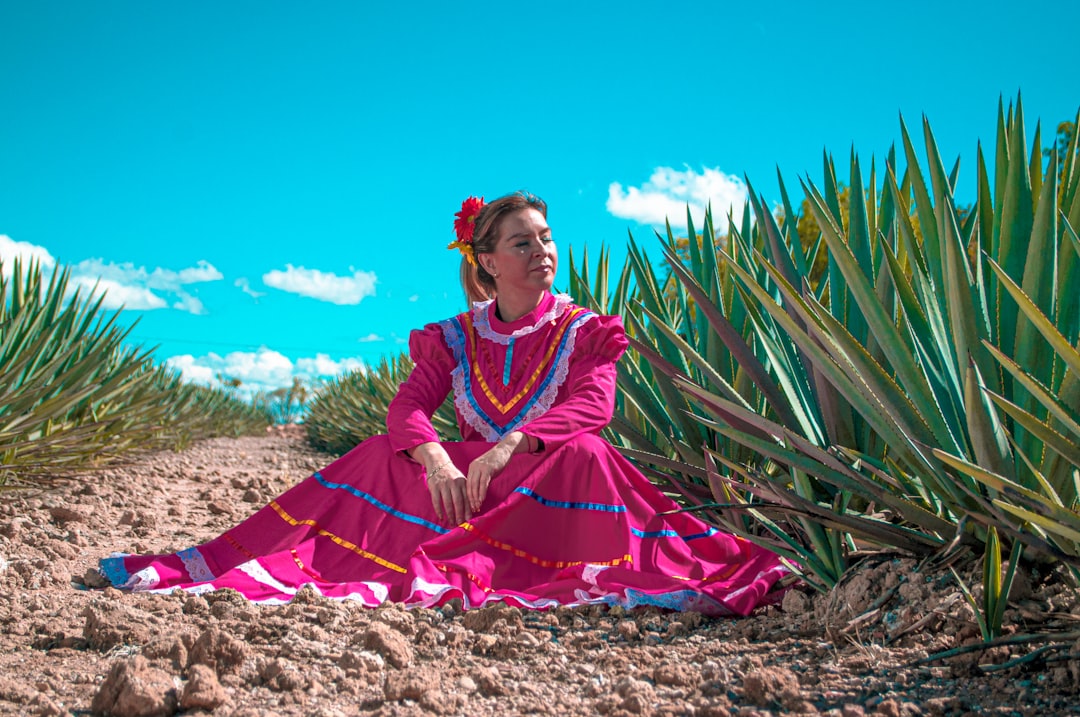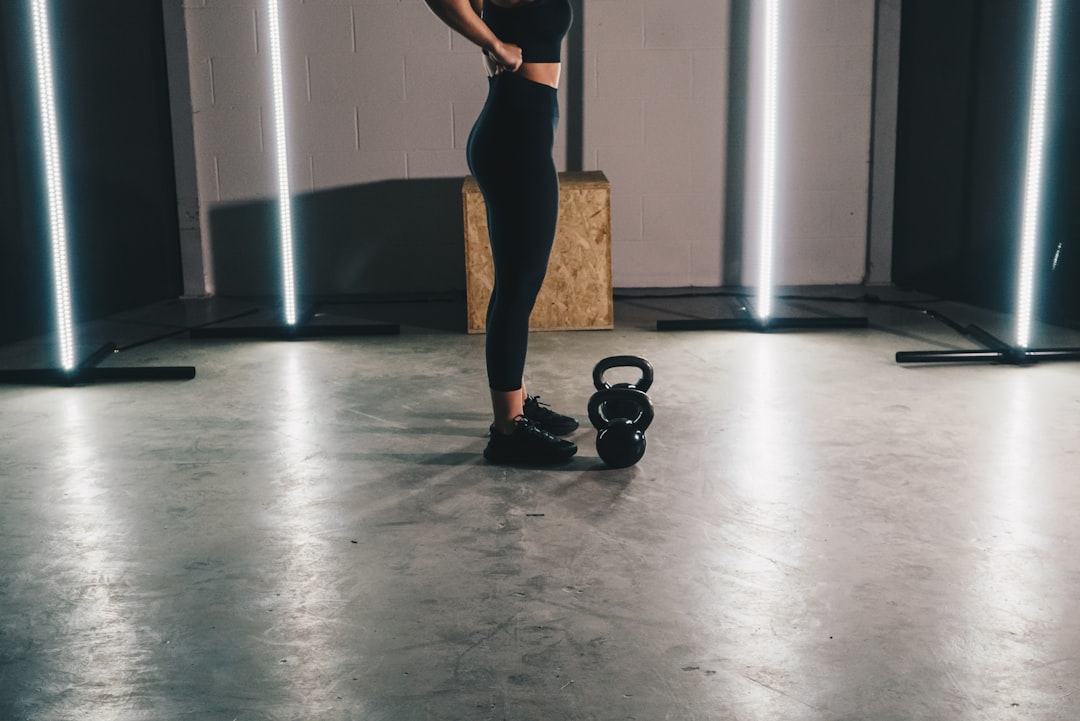
Walk into any contemporary class and you'll see a curious sight: some dancers in jazz shoes, others in socks, a few barefoot, and many in something in between. Contemporary dance's deliberate rejection of rigid technique extends to footwear—yet that freedom makes choosing the right support more complex, not less.
Unlike ballet's prescribed pointe shoes or tap's mandatory metal plates, contemporary dance offers no universal standard. This flexibility serves the form's expressive priorities but leaves dancers navigating a fragmented landscape of options. The right choice depends not on tradition, but on how you move.
Why Footwear Matters in a "Barefoot" Art Form
Contemporary dance emerged from modern pioneers who shed ballet's constraints—shoes included. But today's training floors differ from the sprung wood studios of the 1950s. Marley surfaces, touring demands, and athletic choreography have created new pressures on dancers' feet.
Poor footwear choices in contemporary dance correlate with specific injury patterns: plantar fasciitis from inadequate arch support during repeated relevés, metatarsal stress fractures from unprotected floor work, and ankle instability from inappropriate traction during quick direction changes. The right shoe doesn't restrict your artistry—it extends your career.
Know Your Movement Profile Before You Shop
Before comparing products, assess your technical tendencies:
Floor-work dominant: You spend 40%+ of class time on the ground—rolling, sliding, crawling. Prioritize ball-of-foot protection and heel exposure for tactile feedback.
Upright/athletic: Your style emphasizes jumps, turns, and traveling sequences. Ankle stability and shock absorption matter more than minimal coverage.
Hybrid: You shift between modalities. Versatility and quick-change capability become essential.
Be honest about your injury history, too. Previous ankle sprains, bunions, or plantar fascia issues should steer you toward more supportive options, even if your aesthetic preferences lean minimal.
Coverage Levels: From Barefoot to Full Shoe
Contemporary footwear exists on a spectrum of protection. Understanding these tiers helps you match equipment to context.
Barefoot
The purest expression of contemporary technique, but rarely practical for sustained training. Appropriate for: private studios with strict hygiene protocols, choreography requiring maximum foot articulation, and dancers with established callus protection.
Risks: Blisters, floor burns, fungal exposure, and impact trauma accumulate faster than most dancers anticipate. Reserve barefoot work for performance and select rehearsals.
Minimal Coverage: Foot Undies and Half-Sole Shoes
These leather or canvas pads cover only the ball of the foot, leaving heel and arch exposed. Popular options include Capezio's FootUndeez and Bloch's Foot Thongs.
Best for: Dancers wanting barefoot aesthetics with friction protection; floor-work-heavy choreography; turning sequences where ball-of-foot glide matters.
Key feature to evaluate: Toe hole configuration. Single-hole designs offer cleaner lines but less security; dual-hole spreads tension but may irritate between toes.
Partial Support: Contemporary Turners and Dance Socks
Contemporary turners (like the So Danca CH-50) add elastic straps across the instep and suede patches for controlled rotation. Dance socks range from basic compression styles to engineered grip socks with strategic traction dots.
Best for: Pirouette-intensive work; slippery marley surfaces; dancers transitioning from barefoot to shod technique.
Critical detail: Suede placement. Forefoot-only patches allow slide; full-foot suede creates too much grip for contemporary's typical movement vocabulary.
Full Coverage: Jazz Shoes and Contemporary-Specific Designs
Jazz shoes remain the workhorse option. Split-sole versions (rubber or suede) preserve foot flexibility; full-sole versions offer more arch support for dancers with structural needs. Lace-up styles provide adjustable ankle security; slip-ons speed up quick changes.
Contemporary-specific shoes (like the Capezio Fizzion or Bloch Pulse) incorporate split-sole engineering with contemporary aesthetics—often lower profiles, elasticized edges, and muted colorways that disappear against skin.
Best for: Rehearsal durability; outdoor or non-studio surfaces; dancers requiring consistent support across varied choreography.
Materials and Construction: What the Labels Don't Explain
Leather vs. Canvas
| Material | Break-in | Durability | Best Use Case |
|---|---|---|---|
| Leather | 2–3 weeks | 8–12 months | Daily training, outdoor work, dancers needing structured support |
| Canvas | Immediate | 4–6 months | Performance, sensitive skin, hot studios |
Leather molds to your foot over time but requires patience. Canvas offers immediate comfort but compresses faster, especially at the ball of the foot where contemporary dancers pivot and press.
Split-Sole Engineering
Not all split soles perform equally. Quality designs position the break between forefoot and heel pads to align with your foot's natural flexion point—typically under