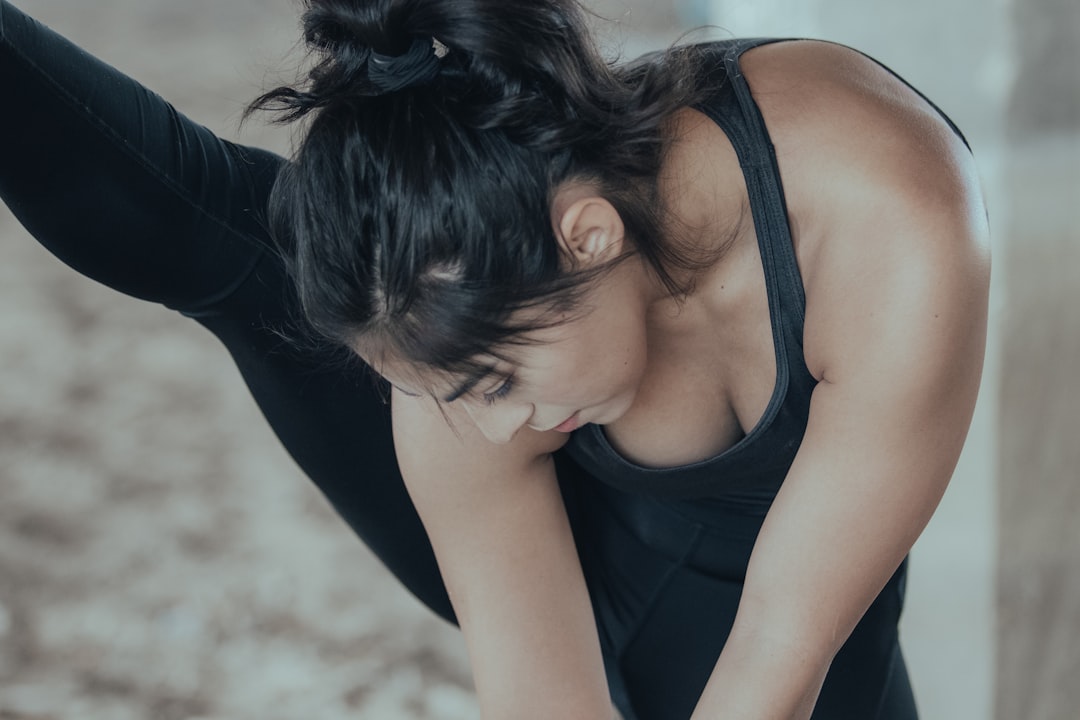
Cumbia is more than a dance style trending in 2024—it's a living cultural tradition with over 200 years of history. From coastal Colombia to dance floors in Mexico City, Buenos Aires, and Houston, Cumbia continues to evolve while keeping its unmistakable rhythm and grounded, flowing movement. Whether you're preparing for a wedding, a social dance event, or your first group class, this guide breaks down the essential steps, regional differences, and techniques you need to dance Cumbia with confidence and authenticity.
Where Cumbia Comes From
Cumbia originated on Colombia's Caribbean coast, emerging from the interweaving of Indigenous, African, and European musical and movement traditions. The dance was originally a courtship ritual, performed in circles with couples facing each other but rarely touching. Women carried candles and swayed with small, elegant steps, while men danced with more exuberant footwork around them.
Today, Cumbia exists in many forms. Colombian Cumbia preserves the closest connection to these roots. Mexican Cumbia, Argentine Cumbia, and Americanized styles have each adapted the footwork, partner connection, and energy to local tastes. If you're learning from a video or instructor, knowing which regional style they're teaching will save you confusion later.
The Foundation: Understanding Cumbia Rhythm
Before stepping onto the dance floor, tune your ear to Cumbia's tempo. Most Cumbia tracks fall between 90 and 110 beats per minute (BPM)—slower than salsa, steadier than merengue. The music is built around a syncopated rhythm often described as a "galloping" or "shuffling" feel.
Try counting: 1, 2, 3—and—4, 5, 6, 7—and—8. The "and" counts are where the percussion hits hardest. Your body should settle into this pulse before worrying about complex steps.
Essential Colombian Cumbia Dance Moves
The Arrastre (Drag Step)
The heart of traditional Cumbia is the arrastre—a dragging step that keeps the ball of the foot in contact with the floor. This is what gives Cumbia its signature wave-like, grounded quality.
How to do it:
- Start with your weight on your right foot, knees slightly soft.
- Step back with your left foot, landing on the ball of the foot.
- Drag your right foot backward to follow, keeping the toe in contact with the floor. Do not let the feet fully meet; maintain a small gap.
- Shift your weight onto the right foot.
- Step back with your left foot again, and repeat the drag.
The movement should feel continuous and smooth, like you're drawing lines on the floor. Resist the urge to march or bounce.
The Hip Motion
Cumbia's characteristic hip movement comes from the knee bend and weight transfer, not from forced isolation. As you shift from one foot to the other, allow your hips to trace a small horizontal figure-eight or circle. The hip initiates slightly before the step lands, creating a relaxed, rhythmic sway that travels through your entire body.
Keep it subtle. In traditional Colombian Cumbia, the upper body stays relatively calm while the lower body does the work.
The Turn
Turns in Cumbia are practical and rhythmic, not flashy. Here's a basic right turn for followers:
How to do it:
- Begin your arrastre, stepping back on your left foot.
- On the next weight shift, pivot 180 degrees to your right on the ball of your right foot.
- Let your left foot swing around to complete the turn.
- Re-establish your position and resume the drag step.
For leaders, turns typically travel forward and to the left, using momentum from the arrastre rather than forcing rotation. Keep your frame relaxed and your eyes up.
Partner Connection
In social Cumbia, partners typically connect in a double hand hold or a one-hand hold with some space between the bodies—much more open than salsa or bachata. The leader guides through subtle tension in the hands and shifts in body weight, not through arm pulling.
Key principles:
- Maintain a soft, responsive frame.
- Look at your partner without gripping.
- Let the arrastre dictate your shared timing rather than rushing ahead.
Regional Styles: What Changes and What Stays the Same
| Style | Key Characteristics | Best For |
|---|---|---|
| Colombian Cumbia | Grounded arrastre, minimal hip exaggeration, open partner position, ceremonial feel | Learning authentic roots and technique |
| Mexican Cumbia | Faster tempo, tighter partner hold, more pronounced hip action, influence from norteño and tej |