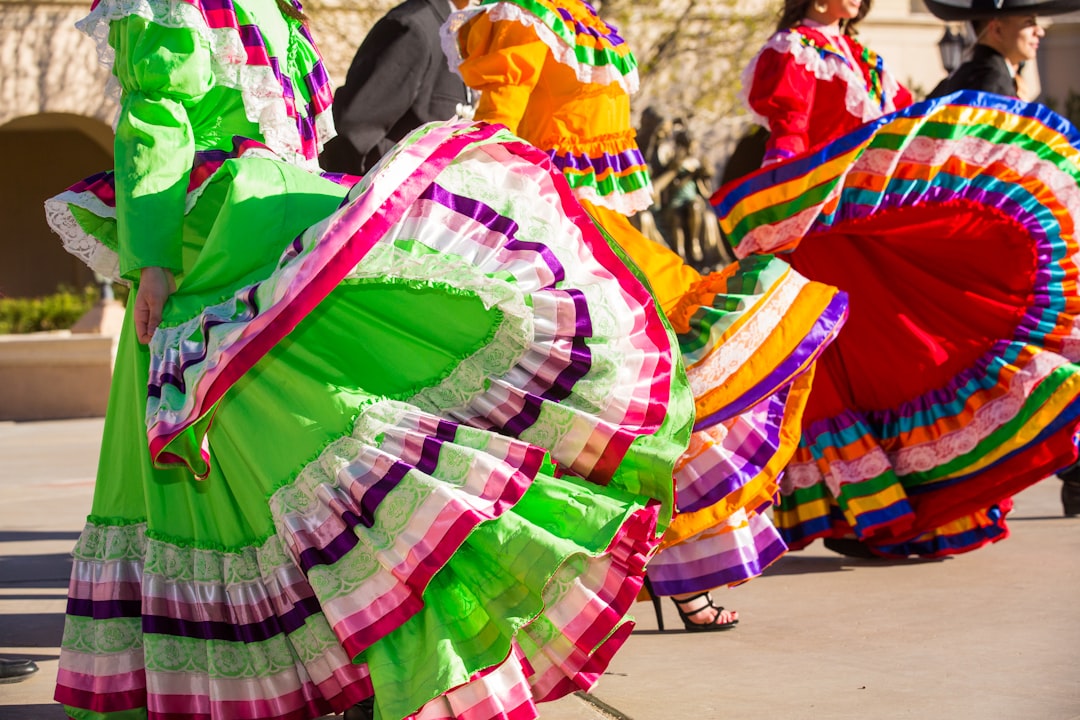
Originating on Colombia's Caribbean coast, cumbia has evolved from a regional folk tradition into one of Latin America's most beloved dance forms. With its distinctive two-step pattern and expressive hip movements, cumbia welcomes dancers of all levels—no partner or prior experience required. Whether you're preparing for a wedding, exploring Latin dance, or simply seeking a joyful way to move, this guide will teach you the essential steps to get started.
What Is Cumbia?
Cumbia emerged in the late 17th century among working-class communities on Colombia's Caribbean coast, blending Indigenous, African, and Spanish musical traditions. What began as a courtship dance—originally performed with women holding candles and men dancing around them—has spread throughout Latin America and beyond, spawning regional variations from Mexico to Argentina.
Musically, cumbia is characterized by lively, syncopated rhythms (typically 90-110 BPM) driven by signature instruments including the tambora (bass drum), llamador (calling drum), guache (scraped percussion), and melodic accordion. This rhythmic foundation creates an infectious, propulsive energy that makes cumbia instantly recognizable and endlessly danceable.
Today, cumbia functions as both a social partner dance and a solo celebration style, adaptable to crowded dance floors, family gatherings, and formal performances alike.
Before You Begin: Setting Up for Success
Footwear and Surface: Wear shoes with smooth soles that allow easy pivoting. Avoid rubber-soled sneakers on sticky floors, which can strain knees and ankles. If dancing on concrete or tile, consider low-heeled dance shoes or supportive flats.
Posture: Stand tall with shoulders relaxed, knees slightly soft, and weight balanced evenly. Cumbia's fluidity comes from a grounded lower body and expressive upper body—think "roots in the earth, freedom in the torso."
Timing: Most cumbia follows an 8-count pattern. Steps typically fall on counts 1, 2, 3, 5, 6, 7 (with pauses or styling on 4 and 8), though regional variations exist.
Basic Steps: Building Your Foundation
The Core Step Pattern
This fundamental movement forms the backbone of all cumbia dancing:
- Starting position: Feet together, weight balanced.
- Count 1: Step to the side with your left foot (leaders) or right foot (followers), transferring your full weight onto that foot.
- Count 2: Bring your trailing foot to meet the first foot, touching lightly without full weight transfer.
- Count 3: Step again with your original stepping foot, continuing in the same direction.
- Count 4: Hold or add a small stylistic pause.
- Repeat the pattern in the opposite direction to complete the 8-count.
Tip: Start slowly—60-70% of performance tempo—until the weight transfers feel automatic. Use a metronome app or cumbia playlist set to half-speed if needed.
Hip Movement (Onda)
The "onda" (wave) distinguishes cumbia from other Latin dances:
- As you step onto your left foot, shift your weight fully onto that leg
- Allow your right hip to extend outward and slightly backward in a smooth arc
- Keep your upper body relatively still—let the hips lead
- The movement originates from your core, not your knees
Common mistake: Forcing the hip motion creates a jerky look. Instead, think of your hip responding to the weight shift naturally, like water moving in a container.
Arm Positioning
- Solo dancing: Arms remain relaxed at ribcage height, elbows soft, hands gently open. Allow natural opposition—when stepping left, right arm floats slightly forward, and vice versa.
- Partner dancing: Leaders typically offer left hand at waist height; followers place right hand in partner's palm. Free arms maintain relaxed, expressive positioning.
Developing Your Style: Intermediate Elements
Once the basic pattern feels comfortable (typically 2-3 weeks of regular practice), add these elements:
Shoulder Rolls
On counts 2 and 6, add a continuous circular motion: shoulder rolls forward, up, back, and down in the direction of your stepping foot. The roll should be smooth and unhurried—one complete rotation per two counts.
Chest Isolations
On count 4 or 8, add a subtle diagonal chest extension: slide your ribcage toward the direction you're about to step, creating a preparatory "wind-up" that releases into the next movement. This adds dynamic contrast to the steady base pattern.
Footwork Variations
- The drag: On count 2 or 6, drag the










