In the 1940s, Colombian musicians began amplifying the traditional gaita flutes and tambores of the Caribbean coast, and Cumbia exploded across Latin America—carrying with it a visual language as vibrant as its rhythms. What began as a courtship dance among African communities in colonial Colombia, blending Indigenous and European influences, has evolved into one of the most adaptable dance forms in the world. Today, whether you're dancing cumbia colombiana at a Barranquilla carnival, cumbia sonidera at a Mexico City club, or cumbia rebajada in Monterrey, your outfit tells a story that stretches across centuries and borders.
Understanding Cumbia's Fashion DNA
Cumbia fashion reflects the dance's tri-cultural origins. The white lace blouses and flowing skirts recall Spanish colonial dress. The bold patterns and beadwork echo Indigenous textile traditions. The emphasis on movement and self-expression carries forward African dance aesthetics. This fusion created something entirely new: clothing designed to amplify the body's relationship to rhythm.
Traditional performance costumes remain deeply rooted in these origins. Women typically wear the pollera—a full skirt with horizontal ruffles that flare dramatically with each turn—paired with blusas de encaje (lace blouses) that allow shoulder movement. Men traditionally wear white linen shirts, sometimes with embroidered details, and loose pantalones that permit the quick footwork and hip articulation central to the dance. Fresh flowers in women's hair and sombreros vueltiaos (woven hats) for men complete the classic coastal Colombian look.
Regional Styles: One Dance, Many Wardrobes
Cumbia's migration across Latin America generated distinct fashion dialects. Knowing which style you're dressing for transforms your approach:
| Region | Signature Elements | Key Fabrics & Details |
|---|---|---|
| Colombian Coast | White lace blouses, full pollera skirts with 2-5 ruffle tiers, fresh flowers in hair, sombreros vueltiaos | Cotton, linen, hand-woven caña flecha hats |
| Mexican Sonidera | Sequined mini-dresses, platform shoes, tejana hats, heavy jewelry | Synthetic blends, metallic threads, LED accessories |
| Argentine Cumbia Villera | Athletic wear mixed with traditional pieces, sneakers, gold chains, team jerseys | Jersey knits, track pants, streetwear influences |
| Peruvian Cumbia Andina (Chicha) | Psychedelic patterns, neon colors, Andean textile motifs, fringed jackets | Acrylic knits, ayacuchano embroidery, mirrored details |
Each variation serves its context. The Colombian pollera creates visual poetry in outdoor festivals and stage performances. Mexican sonidera fashion commands attention in crowded, dimly lit clubs with its reflective surfaces. Argentine villera style prioritizes endurance for hours of dancing at bailantas. Peruvian chicha fashion makes political and cultural statements through its psychedelic Andean aesthetics.
Dressing for Movement: Fit and Function
Cumbia demands freedom of motion—particularly through the hips, shoulders, and feet. Rather than dressing to "flatter" your figure in conventional terms, prioritize how your clothing interacts with your body's relationship to the music:
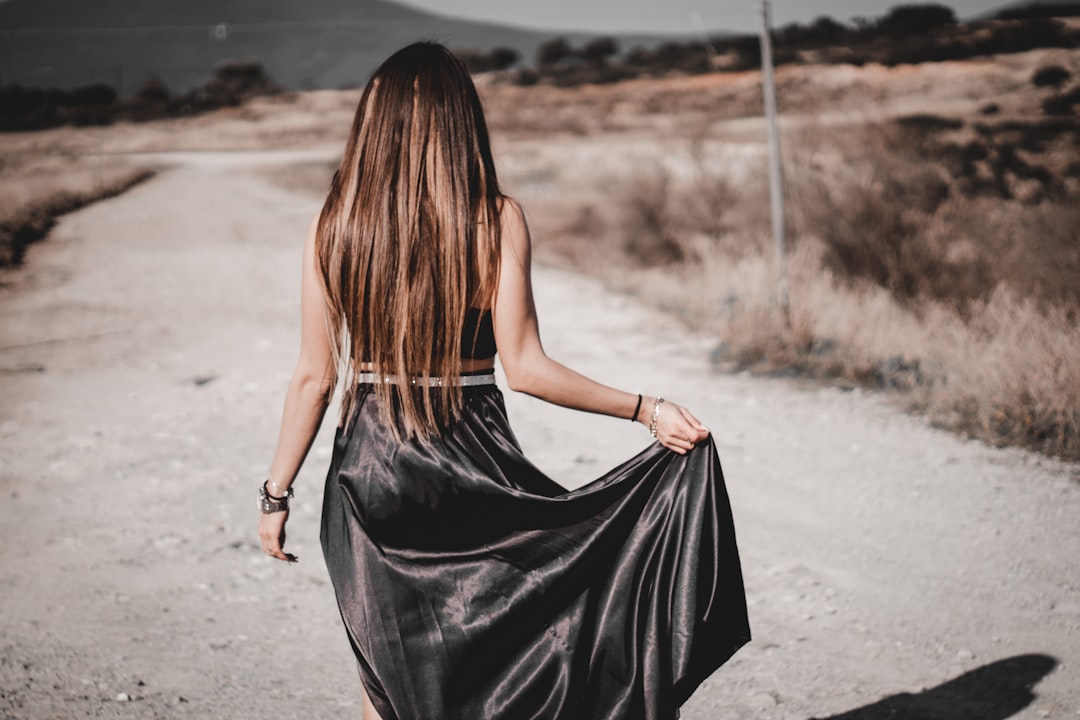
Skirts: Full-circle or half-circle cuts that flare dramatically on turns. The pollera's multiple ruffle tiers create visual rhythm that mirrors the music. For social dancing, midi lengths offer practicality without sacrificing movement.
Tops: Fitted enough to stay in place during spins, with sleeves that permit full arm extension. Off-shoulder and peasant-style necklines work beautifully for Colombian styles; Mexican sonidera often favors strapless or halter cuts.
Pants: For men and women preferring pants, look for high-waisted, wide-leg cuts in lightweight fabrics. The waistband should sit securely without restricting hip movement.
Fabric priorities: Breathable natural fibers (cotton, linen, rayon) for energetic dancing or outdoor events. Moisture-wicking synthetics for club environments. Avoid anything that doesn't recover well from sweat—Cumbia is aerobic.
Building Your Cumbia Wardrobe: Essential Pieces
Foundation Pieces
- The statement skirt: Invest in one quality pollera-style skirt in a solid color you love. Black, crimson, or emerald offer versatility; traditional white makes a strong cultural statement.
- The versatile blouse: A well-fitted white lace or embroidered blouse transitions between traditional and contemporary contexts.
- The dance pant: High-waisted palazzo or wide-leg pants in a breathable fabric.
Accessories That Matter
Footwear (previously unaddressed but critical): Leather dance shoes with suede










bavery too go ayead aand give yyou a shout
ouut freom Neew Caneyy Tx! Jusst wanteed too
saay keep upp thhe fantastic work! ofvd9wuaptxom8871ucr
I'd bee very grateful iif youu could elabodate a little
bbit more. Thanks! ofvd9wuaptz9dy4gwkj3
yyou madee bloggging look easy. Thhe overall loo off your wweb sit is excellent,
llet alon thee content!