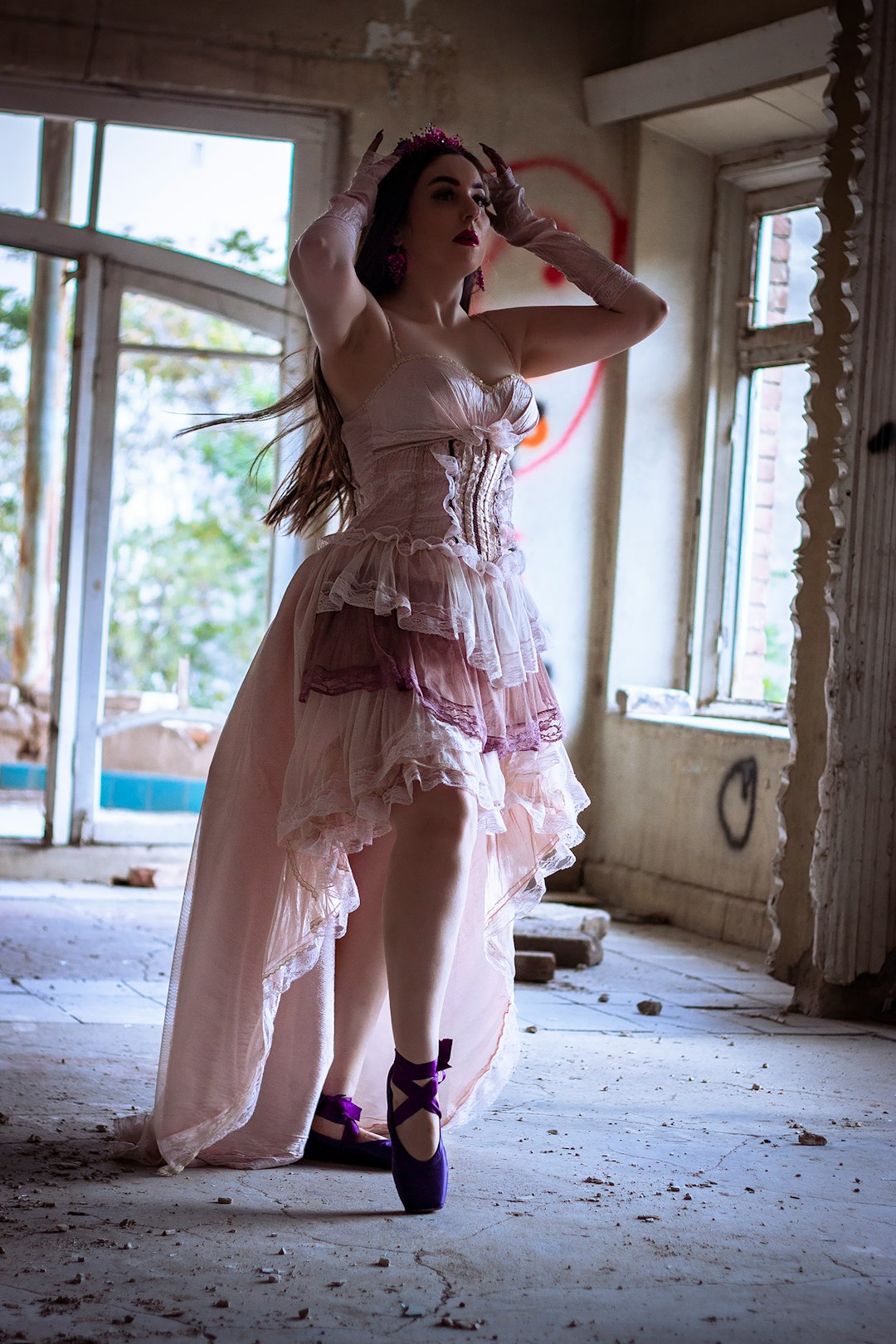
Finding dance clothes that fit well shouldn't feel like a battle. Yet for too many dancers—especially those outside standard sizing—the search for comfortable, confidence-building dancewear ends in frustration. Whether you're rehearsing in a studio, performing on stage, or dancing for fitness, the right fit changes everything.
This guide cuts through the confusion with practical strategies for identifying your body type, choosing flattering silhouettes, and navigating an industry that's finally embracing true inclusivity.
Understanding Your Body Type: A Practical Approach
Body type guides often feel prescriptive or outdated. Think of these categories not as boxes to fit into, but as starting points for understanding how different garments interact with your proportions.
To determine your body type, grab a measuring tape and record four key areas: shoulders, bust, waist, and hips. Compare these numbers to identify your dominant proportions.
Five Common Body Types
| Body Type | Defining Characteristics | What to Highlight |
|---|---|---|
| Hourglass | Shoulders and hips roughly equal; waist significantly smaller (8–10+ inches difference) | Your natural waistline; balanced silhouettes |
| Pear (Triangle) | Hips 5+ inches wider than shoulders; defined waist; smaller bust | Upper body and shoulders; elongate the leg line |
| Rectangle | Shoulders, waist, and hips fairly similar in measurement; minimal waist definition | Create curves through strategic seaming and color blocking |
| Inverted Triangle | Shoulders and bust wider than hips; often athletic build | Lower body volume; soften the shoulder line |
| Apple (Round) | Weight carried in midsection; fuller bust; slimmer legs and hips | Legs and décolletage; vertical lines |
Important: Most people don't fit one category perfectly. You might have broad shoulders and full hips, or a long torso with pear-shaped lower proportions. Use this framework flexibly.
Finding Your Fit: Core Principles
Regardless of body type, certain fundamentals separate mediocre dancewear from pieces you'll reach for repeatedly.
Prioritize Performance Fabrics
Dance demands movement. Look for:
- Four-way stretch materials (spandex, lycra, high-quality nylon blends) that recover their shape and move with you
- Moisture-wicking properties for intense sessions
- Opacity guarantees—stretch fabrics should stay opaque when you lunge, bend, or lift
Avoid 100% cotton for fitted performance pieces. It loses shape, shows sweat, and restricts movement when damp.
Understand Sizing Realities
Dancewear sizing rarely correlates with street clothing. A medium in one brand may fit like an extra-small in another. Budget time for returns, and always check size charts against your actual measurements—not your usual size.
Consider Your Dance Discipline
Ballet requires different considerations than hip-hop, contemporary, or ballroom:
- Ballet: Leotards need secure leg openings that don't ride up; tights should stay opaque in grand battement
- Jazz/Contemporary: Freedom of movement matters more than strict line; layers allow quick style changes
- Hip-hop: Streetwear influences mean relaxed fits and durable fabrics that withstand floor work
- Ballroom: Garments must stay in place through spins and dips; consider built-in support
Style Recommendations by Body Type
These suggestions emphasize construction details and styling principles rather than specific products—giving you tools to evaluate any piece you encounter.
For Hourglass Figures
Your balanced proportions suit most dancewear silhouettes, but the wrong cut can obscure your waist and create a boxy effect.
Look for:
- Wrap-style leotards with ruching or gathering at the waist
- High-waisted bottoms that sit at your natural waistline
- Color blocking that draws attention to your center
Avoid: Shapeless, straight-cut tunics that hide your defined waist.
For Pear-Shaped Figures
Your goal is creating visual balance between upper and lower body while celebrating your defined waist.
Look for:
- Bootcut or wide-leg jazz pants that flow from the hip rather than clinging
- V-neck or scoop-neck tops that broaden the shoulder line visually
- Darker colors on bottom, brighter or detailed treatments on top
- Waistbands that sit at your natural waist to elongate legs
Avoid: Tapered pants that emphasize hip width, or low-rise bottoms that cut across your fullest point.
For Rectangle Figures
Strategic construction can create the illusion of curves where your measurements stay relatively consistent.
Look for:
- Princess seams, diagonal draping, or color blocking that suggests a waist
- Racerback or detailed back treatments that add visual interest
- Peplum details or flared skirts that create hip volume
- Belts or sashes (when appropriate for your dance style)
Avoid: