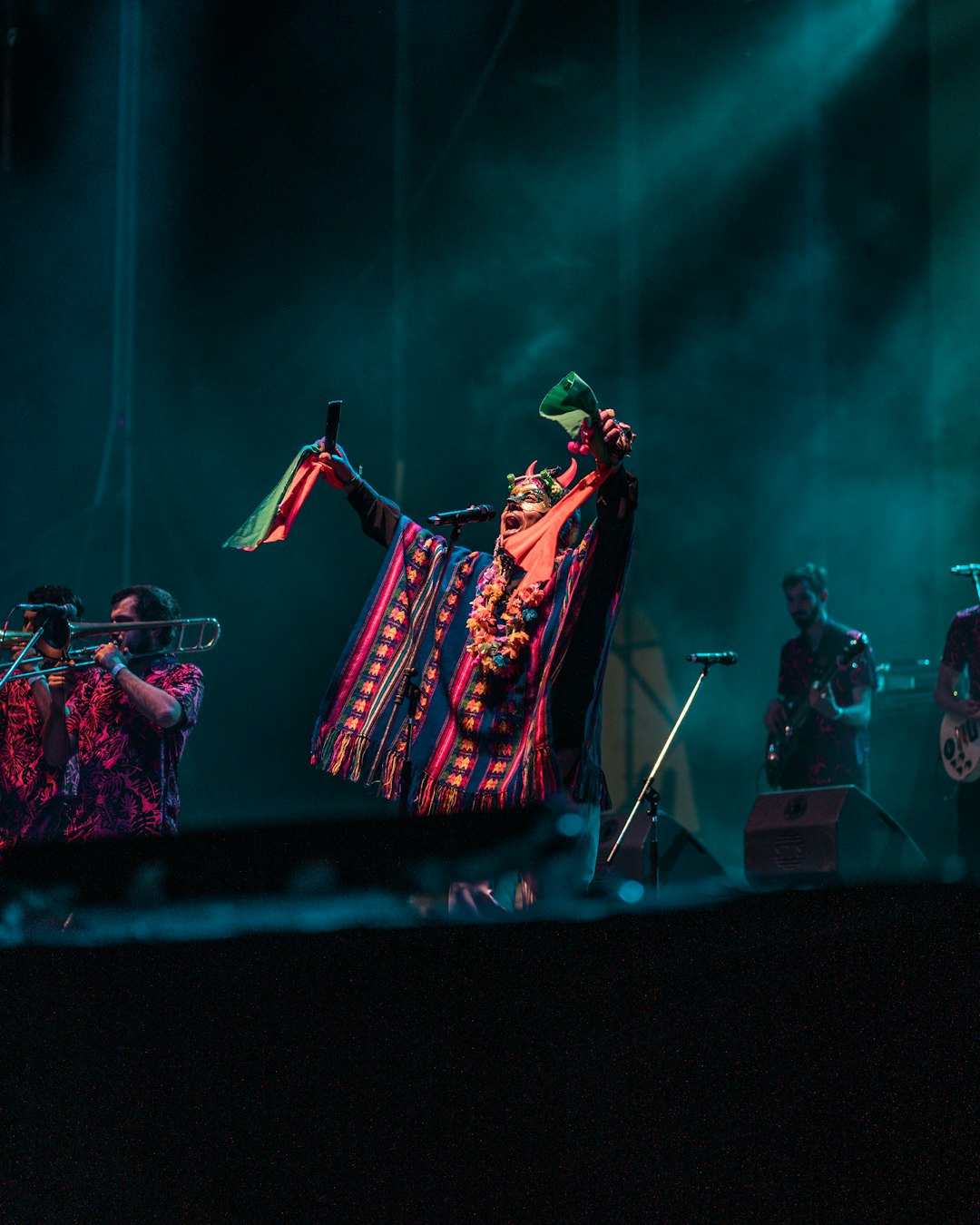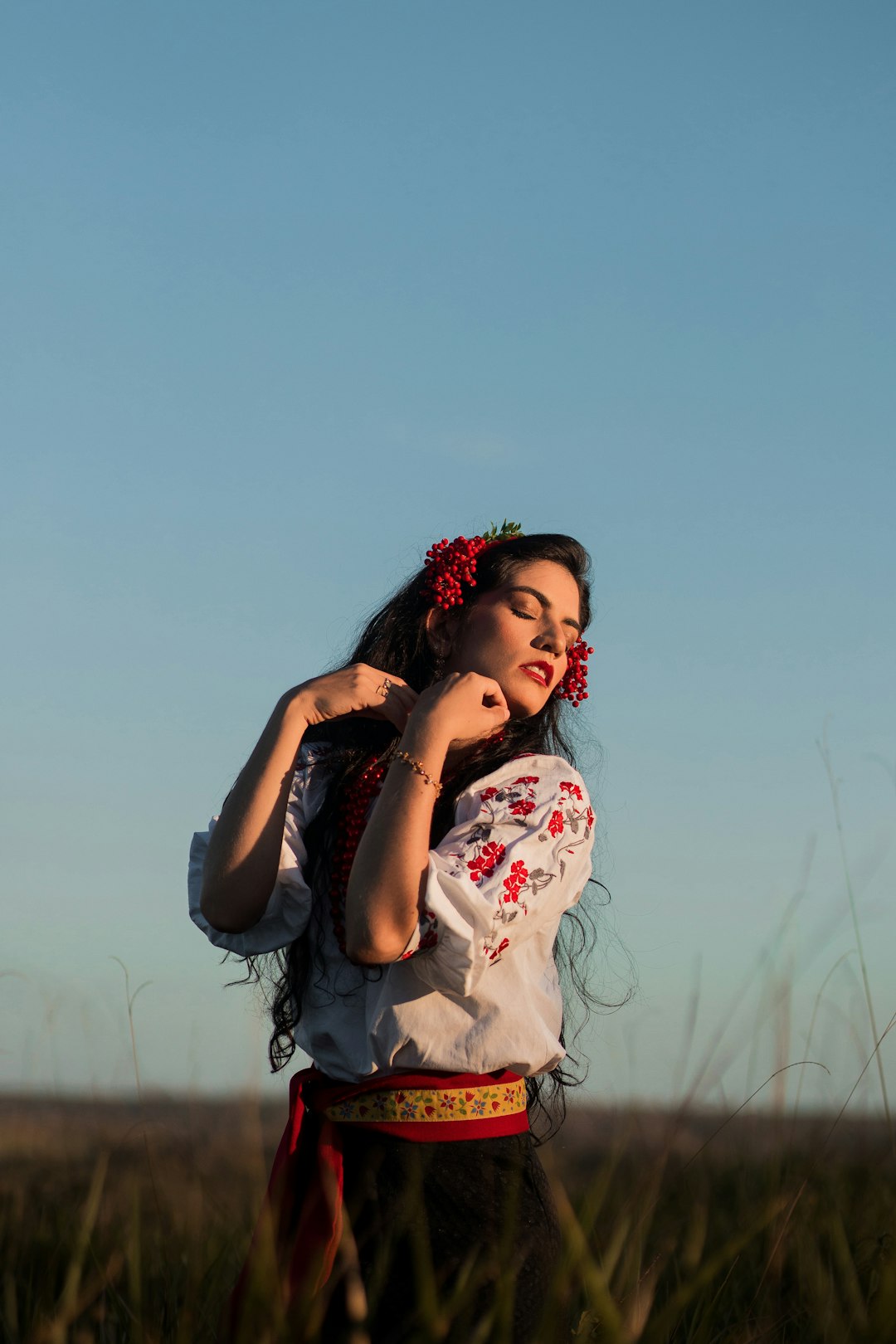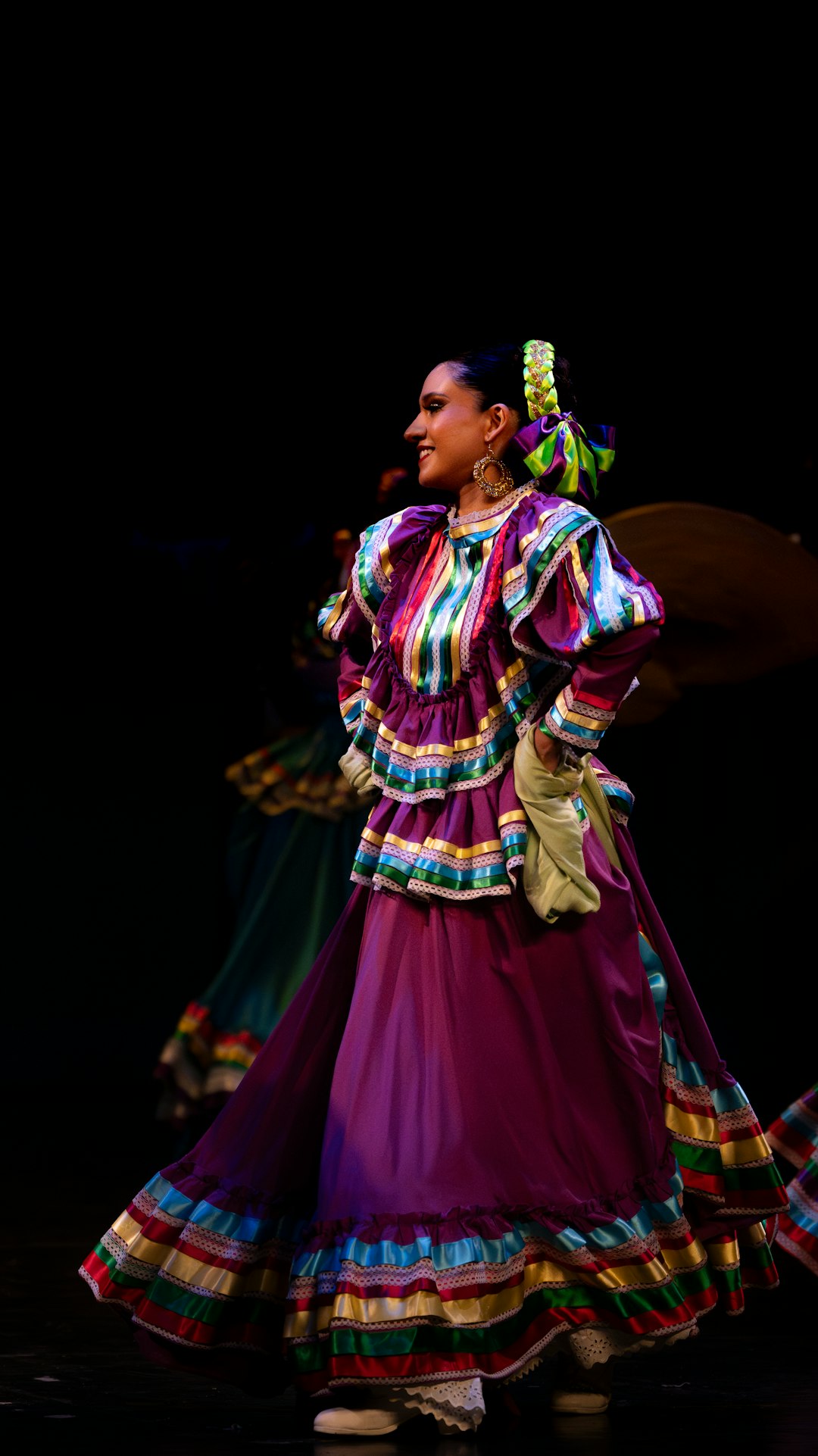
The embrace begins before you touch your partner. In tango, you arrive dressed for desire—sharp lapels catching the amber light, a red dress slicing through the room with each ocho. What you wear shapes how you move, how you're seen, and whether that first cabeceo across the floor meets willing eyes.
Tango fashion carries nearly a century of tradition from the milongas of Buenos Aires, yet adapts to Berlin warehouses, Tokyo ballrooms, and living room prácticas worldwide. This guide moves beyond generic "dress nice" advice to explore how tango attire functions as communication, physics, and cultural passport.
The Philosophy: Dress as Dialogue, Not Costume
Tango clothing serves the dance, not the reverse. Unlike performance ballroom with its sequins and competitive flash, social tango prioritizes elegance in service of connection. Your outfit must signal three things: respect for the tradition, consideration for your partners, and confidence in your own body.
The best-dressed dancers understand that fabric, fit, and footwear choices directly affect the quality of movement. A jacket that restricts shoulder rotation, a skirt that tangles in boleos, or shoes that stick to the floor—all sabotage the conversation before it begins.
Reading the Room: Decoding Event Types and Regional Codes
The Invitation Hierarchy
| Event Type | Expected Attire | Key Cues |
|---|---|---|
| Traditional Milonga (Buenos Aires-style) | Formal: dark suits, cocktail dresses, polished shoes | "Elegante," "de gala," or venue names like "Salón Canning" |
| Contemporary Milonga (Europe/North America) | "Elegant casual" to business formal | Art galleries, loft spaces; check organizer photos |
| Práctica | Comfortable, movement-focused; often "no jeans, no sneakers" minimum | Explicit "practice wear OK," earlier evening timing |
| Marathon/Encuentro | Variable; often themed nights | Multi-day events; pack for temperature shifts |
The universal baseline: No jeans, no sneakers, no strong fragrances. These three rules appear consistently across cultures, though enforcement varies from gentle social pressure to explicit door policies.
Regional Variations
- Buenos Aires traditionalists: Men in tailored suits with pañuelo (pocket square), women in fitted dresses with manga (sleeve) coverage for modesty in close embrace
- Berlin avant-garde: Deliberate gender fluidity, vintage 1940s styling, architectural footwear
- Asian tango communities: Often more formally dressed than Western equivalents; attention to designer labels and meticulous grooming
The Body in Motion: Fabric, Fit, and Physics
For Leaders (Traditionally Men)
The Jacket Crisis: That slim-cut blazer looks sharp at the bar but may imprison your shoulder blades during voleos. Seek:
- "Dance jackets" with stretch panels or unstructured construction
- Sleeve mobility test: Raise arms to embrace position; jacket should not ride up or restrict
- Fabric weight: Lightweight wool or technical blends for breathability during three-hour milongas
Trousers: Medium rise, no belt bulk, sufficient length to cover socks when legs extend. Many serious dancers own tango-specific trousers with slight stretch and no pocket contents to bruise partners.
For Followers (Traditionally Women)
The Visibility Imperative: Your legs communicate timing and intention. Skirts should:
- Hit at or above the knee when standing, or feature strategic slits that reveal leg movement
- Drape, not cling: Fabrics with weight (jersey, crepe, quality cotton) flow through ochos without riding up
- Rotate freely: Test by performing continuous molinetes; skirt should not twist or tangle
The Sleeve Question: Sleeveless is acceptable at most contemporary events, though traditional milongas in Buenos Aires may expect shoulder coverage. Bring a shawl for versatility.
The Shoe as Instrument: Why Tango Demands Specialized Footwear
The Leather Sole Correction
Standard dress shoes with leather soles are not ideal for tango. Here's why: tango technique requires controlled sliding across the floor, not grip. Rubber soles stick dangerously; hard leather soles slide unpredictably.
Proper tango soles use suede (split leather), which provides:
- Controlled slide for pivots and ochos
- Sufficient grip for stability in cruzada
- Replaceable surface as wear patterns develop
Investment Guidance
| Dancer | Specifications | Price Range | Notable Brands |
|---|---|---|---|