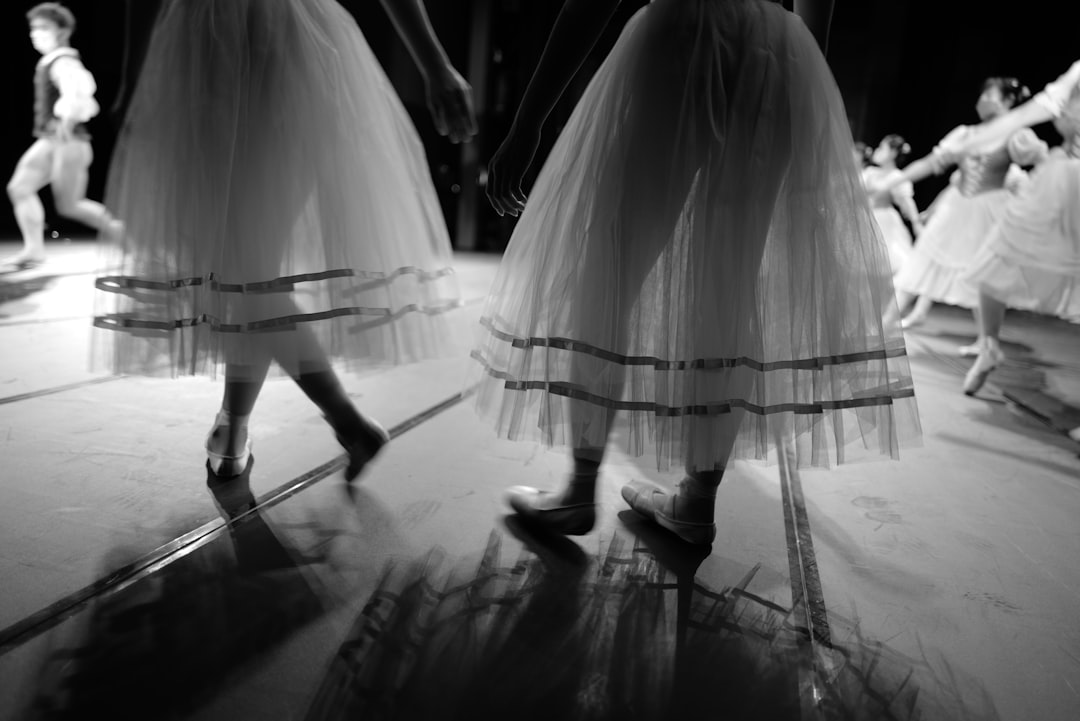
In a dimly lit tablao in Seville, a dancer's heel strikes the wooden floor—not as percussion, but as heartbeat. The sound arrests the room. This is duende: the mysterious, untranslatable power that Spanish poet Federico García Lorca described as the "spirit of the earth," the moment when art transcends technique to reveal something raw and irreducible. Flamenco demands this surrender. Born in Andalusia's crucible of cultures, this art form fuses Romani, Moorish, Jewish, and Andalusian traditions into something that defies mere performance. It is, at its core, an act of emotional exorcism.
Beyond "Dance": The Three Pillars of Flamenco
To call flamenco merely a dance is to mistake the visible for the whole. The tradition rests on three inseparable elements: cante (song), toque (guitar), and baile (dance). Each carries equal weight; each can stand alone, yet together they create the aire—the atmosphere that distinguishes one palo (form) from another.
The cante carries the narrative weight. A singer might perform the seguiriya, whose 12-beat compás (rhythmic cycle) channels centuries of displacement and sorrow, or the alegrías, bright and celebratory, born from Cádiz's port culture. The toque evolved dramatically in the 20th century: what began as accompaniment gained independence through innovators like Ramón Montoya, who established the guitar as a solo voice. The baile—what most outsiders recognize—translates these sonic emotions into physical architecture: spine, arms, and feet become instruments of revelation.
Footwork as Language: The Techniques of Embodied Emotion
Flamenco's physical vocabulary operates with surgical precision. The zapateado—footwork utilizing heel (tacón), toe (punta), and ball (planta) strikes—creates polyrhythmic conversations with the musicians. A dancer's braceo (arm positions) derives from classical Spanish dance but abandons its courtly restraint for something more volatile: arms that frame the face like wings, or slash downward like accusations.
The palmas—rhythmic hand-clapping—demonstrates flamenco's democratic structure. Audience members skilled in compás join performers, blurring the line between spectator and participant. This is not applause as approval but as collaboration, the community affirming its shared emotional territory.
A History Written in Margins
While documented flamenco performances emerged in the late 18th century, the form's roots extend deeper—to the cafés cantantes of 19th-century Seville, where the modern commercial form crystallized, and further back to communities who forged art from persecution. The Romani people, expelled and enslaved across early modern Europe, found in Andalusia's relative tolerance a space to transform suffering into quejío—the expressive moan that permeates flamenco song.
This history complicates simple national narratives. When UNESCO designated flamenco Intangible Cultural Heritage in 2010, the recognition celebrated specifically "the Andalusian Gypsy/Roma people" as bearers of the tradition—acknowledging both the art's specific custodians and its resistance to absorption into homogeneous "Spanish" identity. Andalusian regionalists have long contested flamenco's appropriation as national symbol, insisting on its particular geography and hybrid genealogy.
The Stakes of Performance
Contemporary flamenco faces the tension all living traditions encounter: preservation versus innovation. Purists guard the palo structures and compás strictures; experimentalists like Israel Galván or Rocío Molina deconstruct them, incorporating electronic music or butoh influences. Both impulses serve duende—the commitment to emotional truth over comfortable beauty.
What persists is flamenco's refusal of the decorative. In an era of curated digital personas and emotional management, the form insists on excess, on the moment when control breaks and something unguarded emerges. The dancer who weeps onstage is not performing grief but surrendering to it. The guitarist who plays until fingertips bleed is not demonstrating dedication but testing the boundary between self and sound.
To witness flamenco is to be reminded that emotion is not embarrassment but resource—the raw material from which identity and resistance are continuously rebuilt.