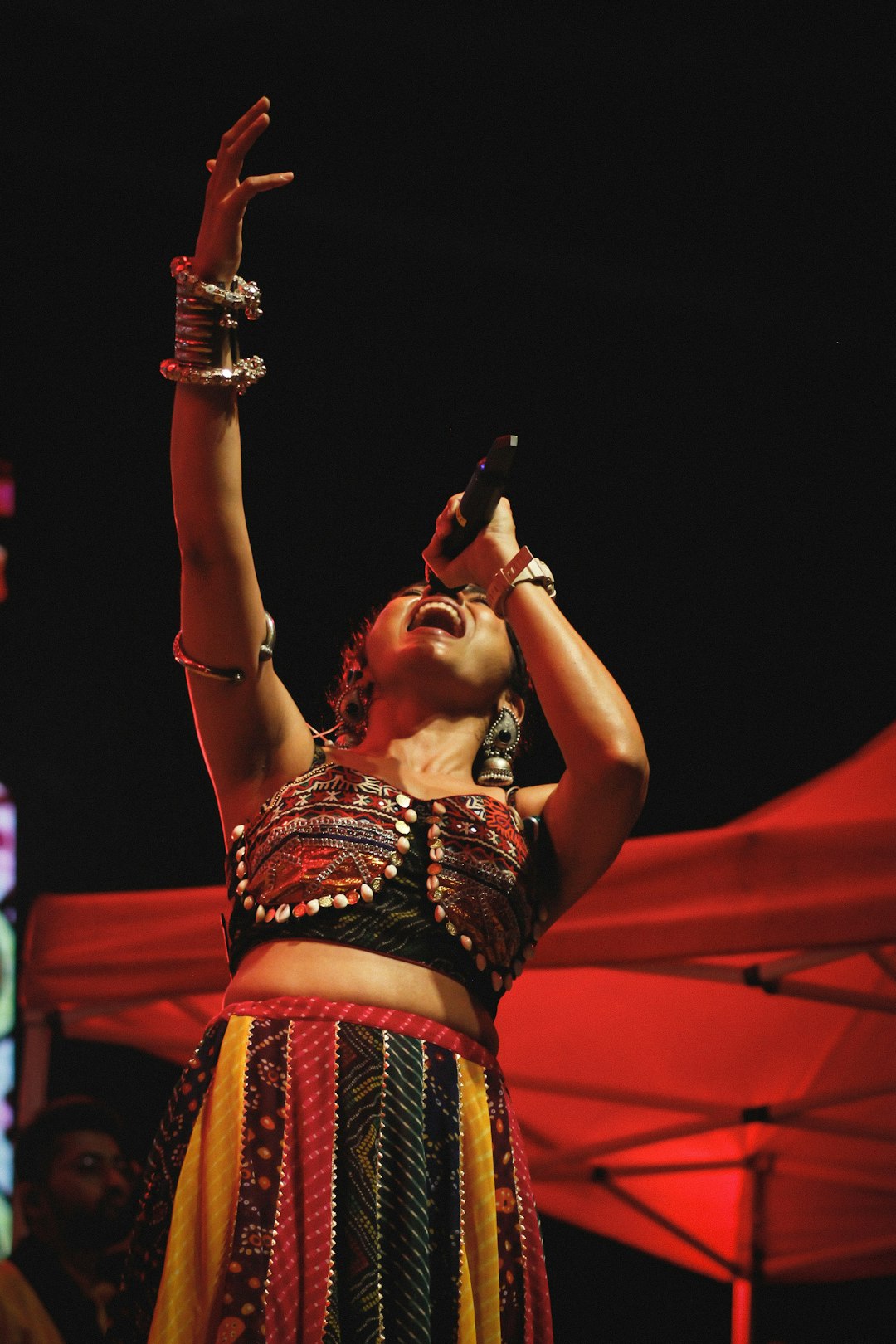
The lights dim. A single guitarist strikes a rasgueado—fingers raking across strings in a thunderous roll. The cantaor leans into the microphone, voice cracking with ancient grief. Then the dancer appears, spine rigid, arms coiled like a question mark. She does not move so much as declare herself into being. This is duende—the soul-baring, almost violent inspiration that Federico García Lorca called "the mysterious power everyone feels but no philosopher can explain."
Flamenco demands everything: mathematical precision, emotional nakedness, and the stamina to sustain both through twelve-minute soleás that leave performers drenched and audiences altered. To understand this Andalusian art form is to grapple with its central contradiction—how something so rigorously codified can feel so dangerously spontaneous.
The Architecture of Passion: Technique and Structure
Flamenco is not, as often misunderstood, improvised chaos. It is a fortress of rules that, mastered, permits transcendence.
At its foundation lies the compás—the cyclical rhythmic structure that governs every palo (flamenco form). Most Western music divides neatly into 4/4 or 3/4 time. Flamenco operates in more complex territory: bulerías pulse in 12-beat cycles with accents on beats 3, 6, 8, 10, and 12; tangos (unrelated to their Argentine cousins) march in 4/4; sevillanas dance in sixes. Dancers internalize these patterns until they become heartbeat, then deliberately fracture them—delaying a step, accelerating beyond reason—to create desplante, the dramatic pause that makes time itself hold its breath.
The zapateado—percussive footwork—deserves its reputation. A virtuoso's feet strike the floor with toe, ball, heel, and entire sole in rapid succession, generating rhythms of up to 12 beats per second. The technique requires specialized footwear: men's boots with reinforced heels, women's shoes with nails hammered into toe and heel for amplified resonance. In the confined space of a tablao—the intimate performance venues that emerged from 1960s nightclub culture—this footwork becomes physical percussion, felt through floorboards before it reaches the ear.
Yet technique without aire (literally "air," figuratively style) is merely exercise. The upper body operates under different rules: shoulders pinned, torso held in proud vuelta (arched back), while arms trace elliptical paths derived from classical Spanish dance. The hands—floreo—unfurl with deliberate, almost botanical precision, fingers curling and extending in gestures that once communicated across the noise of crowded ferias.
The dancer never performs alone. The cantaor (singer) and tocaor (guitarist) form an inseparable triangle, engaged in continuous call-and-response. The guitarist provides falsetas—melodic interludes between vocal phrases—while the singer's quejío (lament) establishes the emotional weather. Dancers mark the compás with body percussion—palmas (hand-clapping) and pitos (finger-snapping)—that can shift from whispered palmas sordas (muffled) to explosive palmas claras (open) within a single phrase.
The Grammar of Feeling: Emotion in the Palos
Flamenco does not merely express emotion; it categorizes it with taxonomic precision. Each palo carries specific emotional valence, historical weight, and ritual function.
The siguiriyas stand at the abyss. Considered the oldest and most "profound" form, they emerge from cante jondo (deep song)—a tradition Lorca linked to "the culture of the irrational, of the daemonic, of the darkly religious." The rhythm staggers: twelve beats with accents on 1, 3, 5, 8, and 11, creating a limping gait that suggests wound rather than walk. Dancers move with weighted stillness, each gesture freighted with centuries of persecution and survival. To perform siguiriyas well is to carry what Spanish calls pena—sorrow that borders on the sacred.
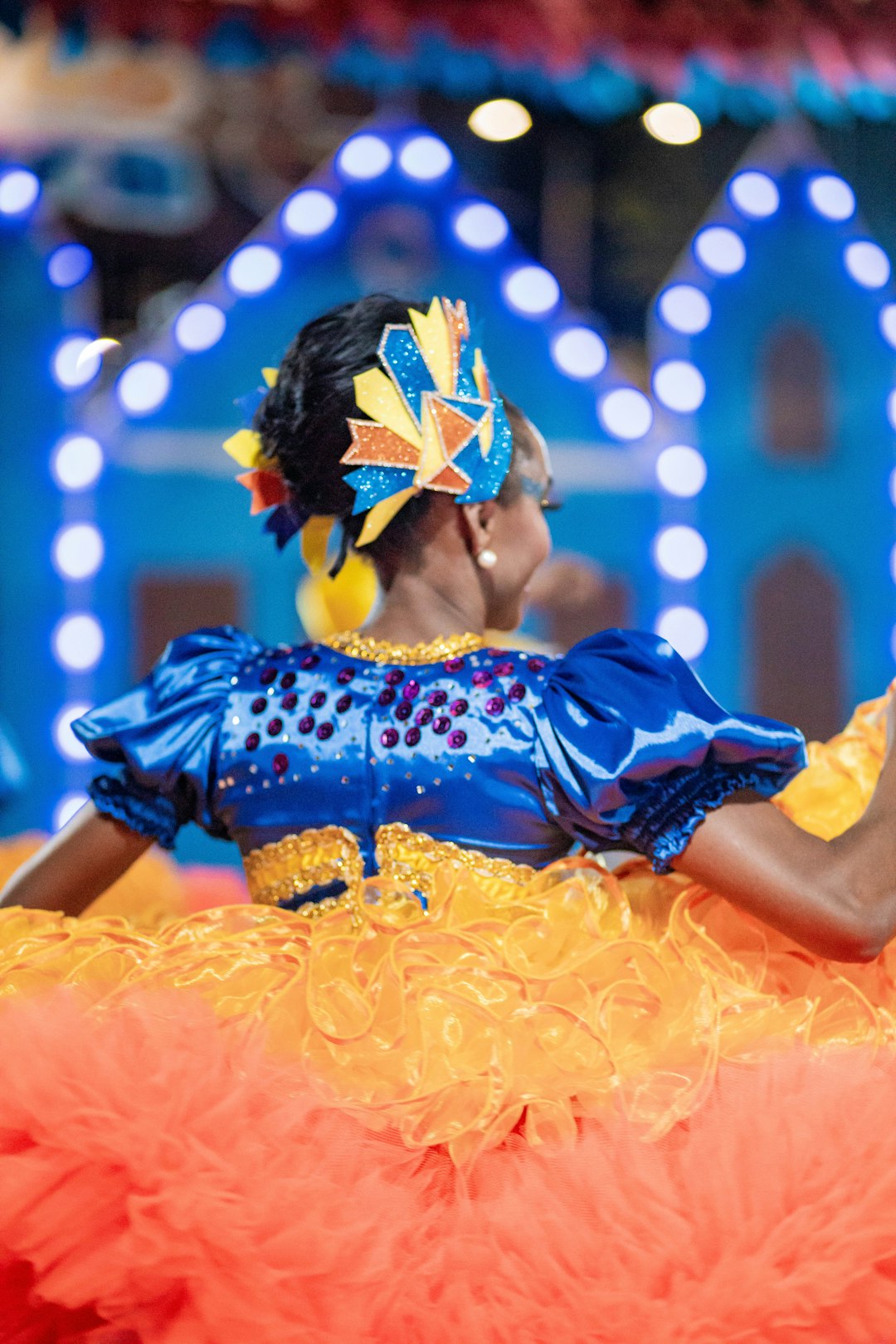
At the opposite pole, alegrías (literally "joys") burst from Cádiz with major-key brightness. The same twelve-beat structure accelerates, brightens, invites the bata de cola—the long-trained dress that dancers manipulate through rapid turns, the fabric becoming a second body, a wave, a flag of