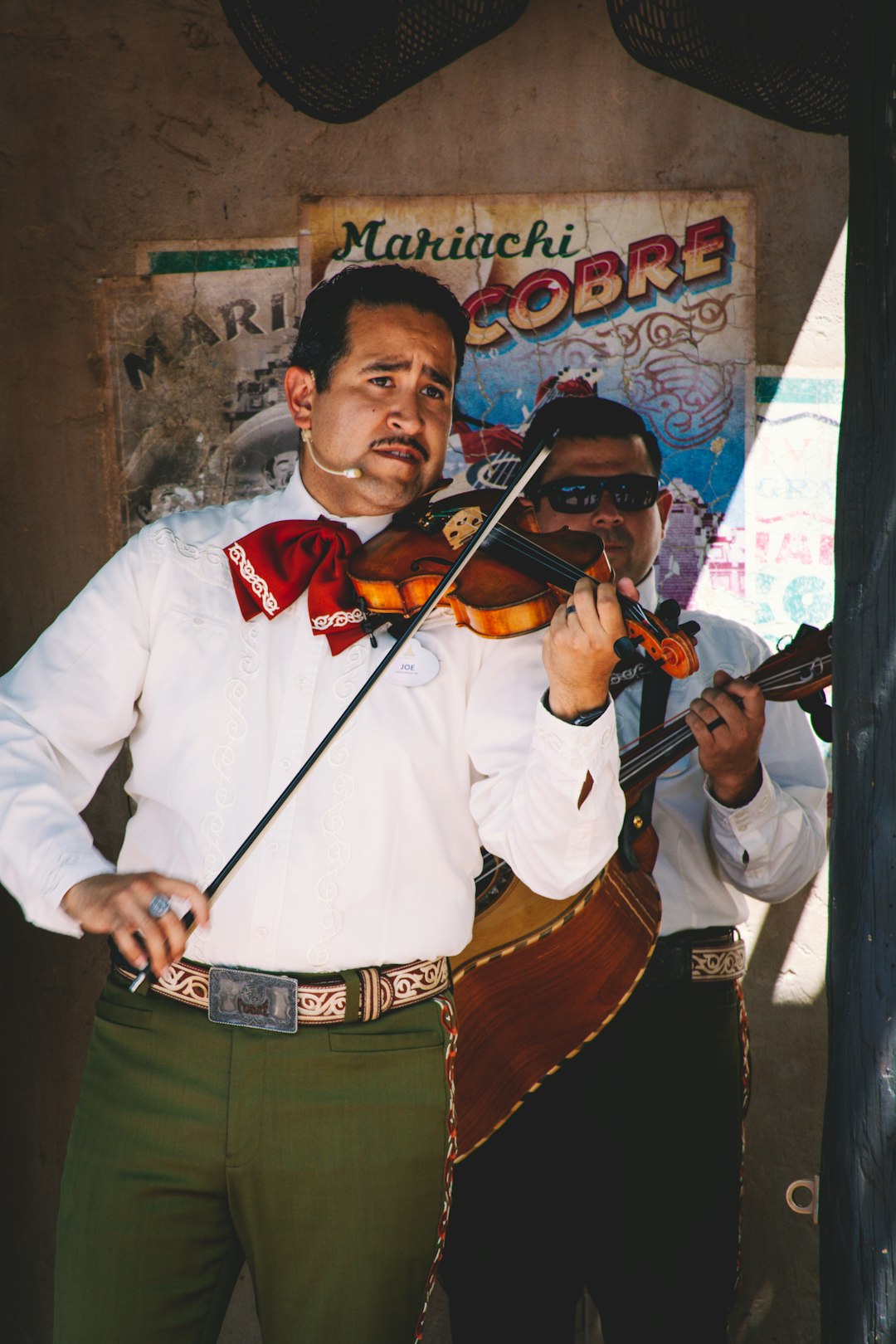
The hallway of Dupo Folk Dance Academy smells like rosin and old wood. That's the first thing you notice — before the mirrors, before the lineup of students stretching along the barre, before the instructor with forearms like braided rope asks if you've danced before. You haven't. She nods like that's exactly the right answer, and suddenly you're not sure anymore if you're nervous or just ready.
Dupo City doesn't have a folk dance problem. It has a folk dance abundance problem. Five serious schools, five completely different worlds, and about a hundred ways to spend your Tuesday evenings. Here's what nobody's written down until now.
Dupo Folk Dance Academy sits in the heart of Central Dupo like it's been there forever — because it has. Instructors here learned from instructors who learned from instructors, and there's a kind of muscle memory in the way they correct your posture: not with criticism, but with their hands, repositioning your arms the way a carpenter squares a frame. Kids' classes fill up fast — the waiting list is real. But adults shouldn't be intimidated. The curriculum moves between traditional pieces and something they call "modern folk fusion," which sounds contradictory until you see it: the stomping patterns stay, but the energy gets loose, almost street-dance at the edges. It works.
Over in North Dupo, Heritage Dance Studio is the one your neighbor won't stop talking about. The reason is their Folk Dance Fitness class, which sounds gimmicky and absolutely isn't. Regional dances from three continents get stripped down to their core movements, rebuilt into something that kicks your heart rate up while you learn a Kalabukan sequence without realizing you're doing cardio. The studio itself is small, warm, the kind of place where people stay for a decade. The owner remembers your name by the second visit.
If you've been dancing a while and you're hungry for the next level, City Folk Dance Center in Downtown is where the serious work lives. Advanced technique classes move fast and assume you've got a foundation. The history track is the hidden gem — two hours tracing a single regional tradition through its entire arc, from ritual origins to how it sounds in a packed performance hall. Dancers who take these courses walk differently. Not metaphorically. The way they hold their bodies changes, like they've finally understood why the steps go in that order.
East Dupo belongs to Folk Fusion Institute, and these people are unapologetically weird in the best way. Their choreography program throws traditional material at you and then asks: what would you do with this? Students spend weeks building pieces that feel like folk dancing but clearly belong to the choreographer. The institute attracts a certain type — curious, a little restless — and the energy in those rooms is unlike anywhere else in the city. If you want to make something that didn't exist before, this is where you go.
West Dupo is quieter, and so is Traditional Steps School. The instructors here are in their sixties and seventies, dancers who've performed at festivals most people only read about. Their classic folk classes are meticulous, almost scholarly in their attention to detail. But the program that's quietly become the talk of the community is their Folk Dance for Seniors — a weekly session that looks gentle from the outside and absolutely is not. Partners moving together, memory and body engaged at the same time, and a social fabric that keeps people coming back when everything else falls away.
Here's the thing nobody tells you: you don't have to pick the "best" school. You have to find the one that fits where you are right now. That might be the place where a six-year-old immediately bonds with a teacher. It might be the room where a forty-year-old finally gets to be the beginner. Dupo City's folk dance schools aren't competing with each other — they're carving out different corners of the same tradition, and honestly, a dancer who trains at two or three of them over the years comes out with something richer than any single curriculum can offer.
Walk through the door. Smell the rosin. See what happens next.