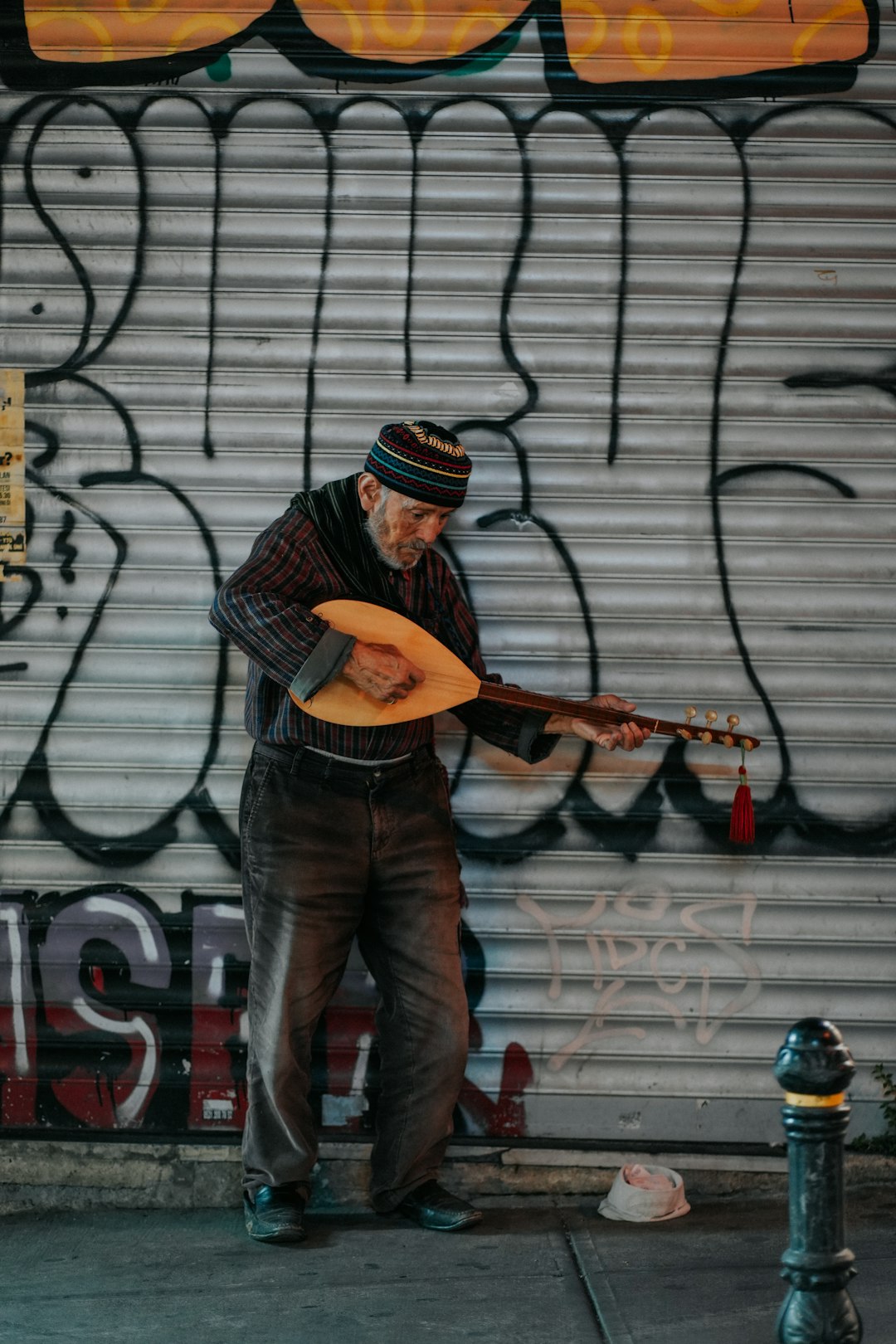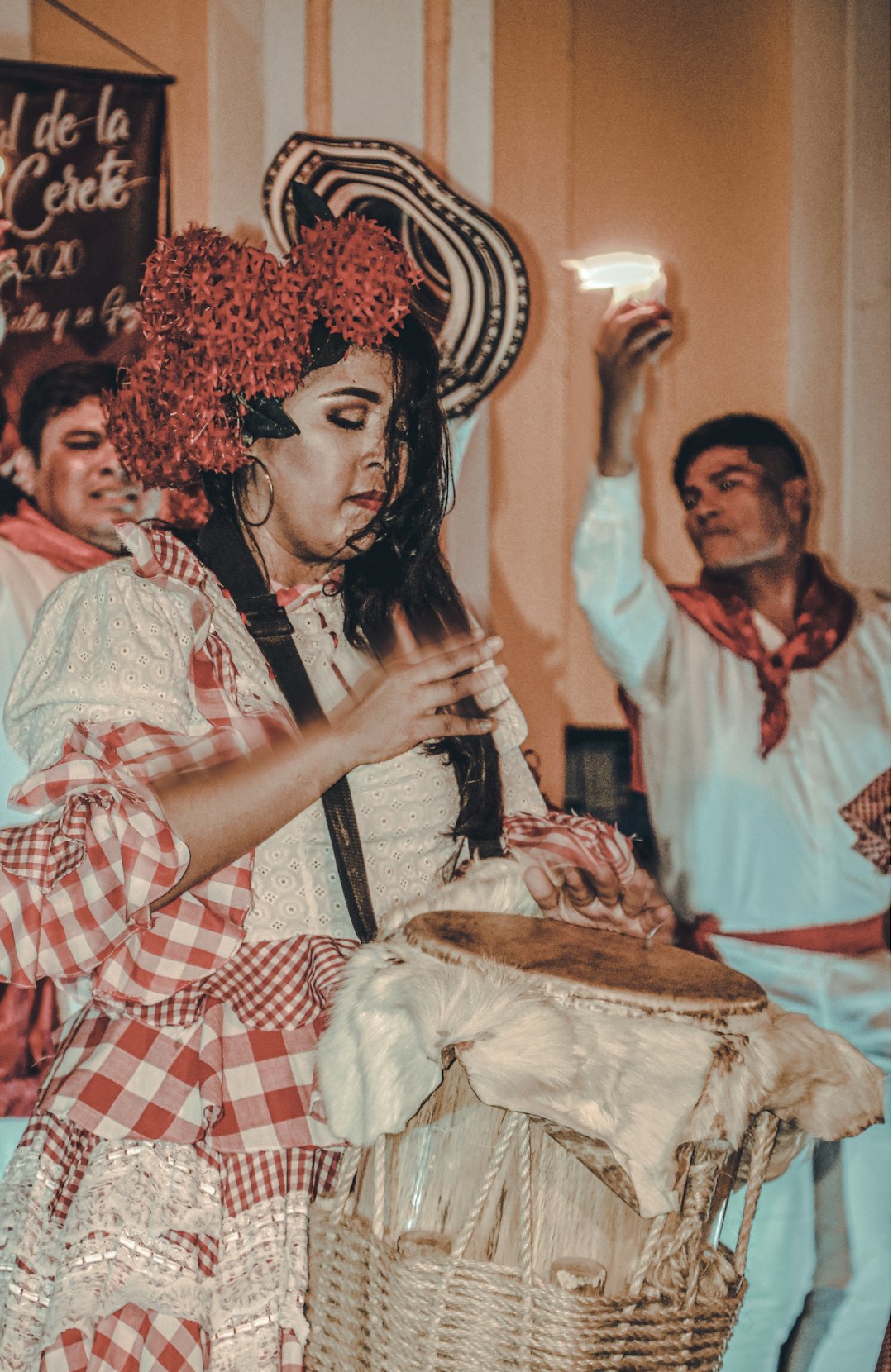
Step into any dance hall in Falls Village on a Friday night and you'll feel it immediately—that pulse of kinetic energy that makes your feet itch before your brain catches up. Swing dance doesn't wait for permission. It pulls you in.
This isn't a listicle written from a press release. These five studios have been tested, argued about in local dance groups, and in some cases, almost started fistfights over (not really, but close). Here's the real breakdown.
Village Swing Studio — The Place That Started It All
Ask any seasoned dancer in Falls Village where they learned to swing out, and at least half will name Village Swing Studio. The space itself is nothing fancy—wooden floors, mirrors that have seen better decades, the faint smell of old gyms and new shoes. That's part of its charm.
Sarah Chen runs the beginner track, and she has a gift for stripping swing down to its bones without making it feel basic. Her six-count intro class is legendary among newcomers—students who walked in stiff as boards leave actually moving, not just mimicking. The advanced classes shift to partner drilling and musicality work, which is where most studios drop the ball. Here, they nail it. Friday socials draw a solid crowd of regulars who actually rotate partners and welcome newcomers without that awkward "intermediate only" energy some scenes develop.
Bring water. The AC struggles.
Rhythm & Swing Academy — Where the Culture Lives
Walk into a Rhythm & Swing class and you're not just learning footwork. You're getting the story behind it.
Marcus Webb teaches their Lindy Hop track, and he teaches like someone who actually lived through the scenes he describes. His Charleston workshops dissect the movement in a way that makes the style click rather than just adding another pattern to your repertoire. Balboa gets a dedicated series here—rare for studios of this size—which matters if you're serious about close-position dancing.
The annual festival is genuinely worth attending. It draws instructors from across the region, the jam circles get competitive in the best way, and you will learn more in three days of that event than in three months of regular classes. Book early. Tickets vanish.
Downside: class sizes can run large during peak seasons. If you need intimate attention, book a private before things fill up.
The Swing Connection — High Energy, Modern Flair
If Village Swing is the neighborhood dive bar, The Swing Connection is the rooftop party two floors up.
The choreography here skews modern. You'll find swing-influenced patterns mixed with elements that pull from hip-hop, breakaway techniques, and fusion styles. Younger dancers tend to gravitate here, and the crowd reflects that. The instructors—particularly Jaylen Torres—work at a pace that doesn't let you coast. Even advanced students get pushed.
Private lessons are available and genuinely tailored. Jaylen will film you, break down your frame on screen, and send you home with a targeted drill list. That's rare.
The studio also runs a monthly showcase night where students perform original routines. High-pressure, but if you want to test your growth in front of a live audience, this is the circuit.
Jazz & Jive Dance Center — When Jazz and Swing Collide
Jazz & Jive occupies an interesting middle ground. Their primary identity is jazz technique—isolation work, rhythm articulation, floor craft—but the swing component isn't an afterthought. It's integrated.
Instructor Carla Osei runs their swing-adjacent workshops, and she's one of the few teachers in the area who explicitly addresses how jazz phrasing informs swing timing. If you've been dancing swing but feel like your movements lack musical depth, her classes will rewire your approach.
The monthly mixers blend jazz warm-ups with open swing dancing. The crowd is mixed in skill level, but the environment stays welcoming rather than cliquey. That's harder to maintain than it sounds.
The only real critique: if you came purely for swing with no jazz interest whatsoever, some curriculum choices might feel tangential. But if you're curious about the overlap, this is the right studio.
Swing Time Dance Studio — The Complete Package
Swing Time has the most polished infrastructure of any studio on this list—proper sprung floors, excellent lighting, a sound system that doesn't distort at higher volumes. The teaching philosophy is methodical: beginners follow a structured progression that builds from weight shifts to partnered footwork to styling. It works.
Their rotating guest instructor series is the real standout. Every few weeks, a visiting teacher brings a fresh perspective—often pulling techniques or stylistic approaches from other regional swing scenes. Students who have plateaued often credit these workshops with reigniting their growth.
The community skews slightly older and more patient than The Swing Connection. If you prefer a slower pace, fewer surprises, and more consistency, Swing Time delivers that environment without sacrificing quality.
---
Each of these five studios has earned its reputation through consistency, skilled instruction, and community-building that extends beyond the dance floor. None of them are perfect, and none need to be. What matters is finding the space where your particular style of learning meets the kind of dancing that makes you forget you had a hard day before you walked in.
Go watch a class. Most studios offer a free intro session or affordable drop-in rate. Figure out which one feels like home.