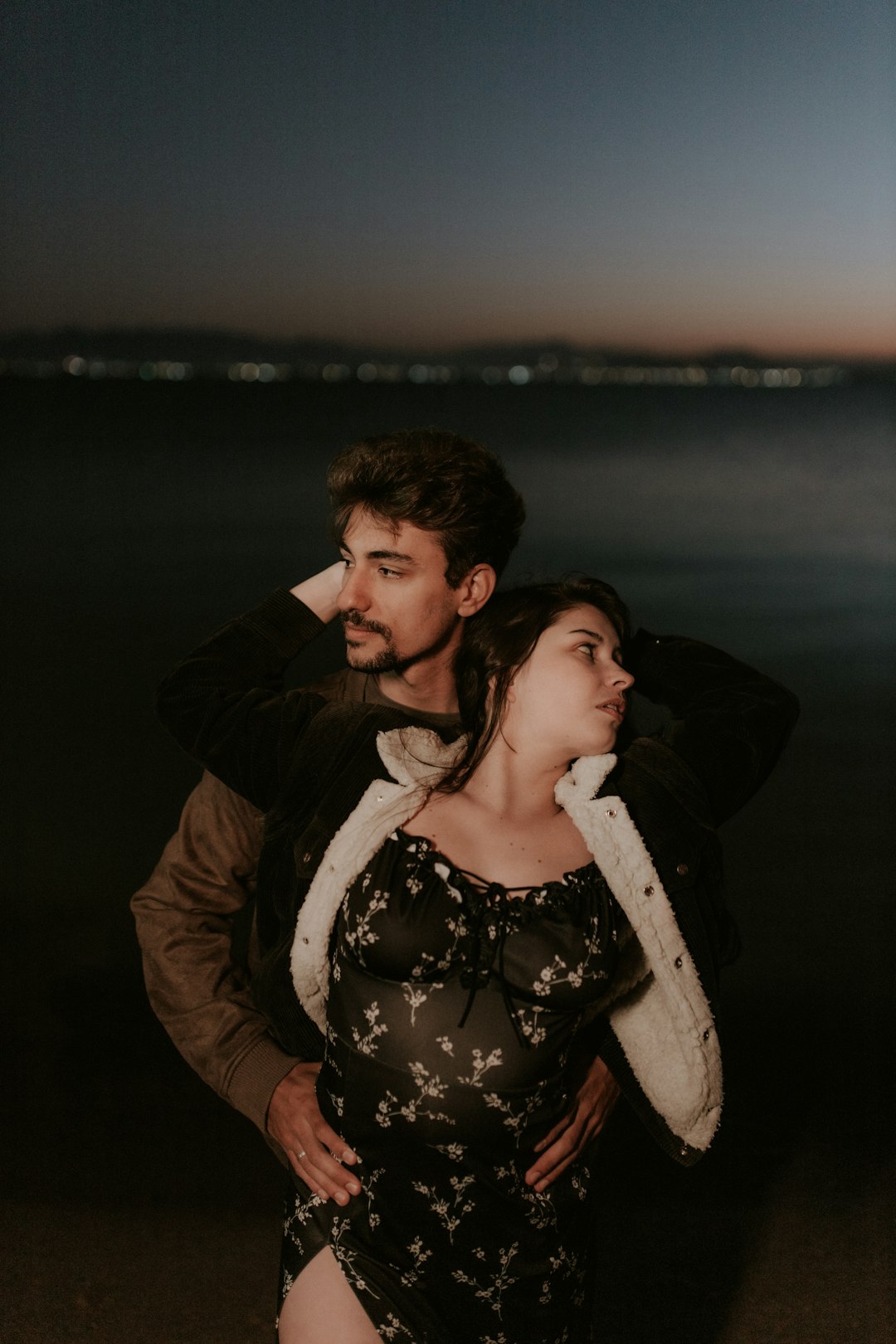
Picture this: a warm night in Cartagena. The air smells of salt and street food, and from a corner plaza, you hear it—that unmistakable, rolling rhythm of the tambora drum. Bodies are moving in a loose, joyful circle, hips tracing lazy eights in the dust. That’s cumbia. And the best part? You can join in. This isn't about perfect posture or counting steps in a sterile studio. It’s about feeling a rhythm that’s been bringing people together for two centuries.
The Heartbeat You Can’t Ignore
Forget what you know about partner dances. Cumbia’s magic is its flexibility. Born from African, Indigenous, and Spanish roots on Colombia’s coast, it’s a dance of community. You might see it as a couple’s flirtatious exchange, a solo dancer lost in the music, or a whole group moving in a ring. The foundation, though, is in the solo style—once you feel that in your bones, you can dance anywhere.
It all lives in a simple, hypnotic pulse: a 1-2-3-tap. That “tap” is the secret sauce. It’s not a stomp; it’s a playful, weightless click of the foot behind you, like you’re kicking sand off your heel. Listen for the scrape of the guacharaca—that’s your cue. The music doesn’t just ask you to dance; it guides your body.
Let Your Hips Tell the Story
Stand up. Seriously. Feet under your hips, knees soft. Now, try this: just march in place to a cumbia song. Feel how your weight shifts? That’s the start.
Now, add intention. Step forward with your left foot on “1.” On “2,” bring your right foot to meet it, letting your weight settle into the ground—feel that little drop in your hips? Step forward with your right on “3.” Then, on that “and” count, just tap your left foot behind the right, barely brushing the floor. Let that hip pull back.
That’s it. That’s the core loop. Your upper body stays relatively quiet, a calm anchor, while your hips do the talking. They’re not forcing a wiggle; they’re responding to the drum. It’s a conversation with the floor.
The Turn That Changes Your View
Once that shuffle feels natural—give it a solid ten minutes with a good track—it’s time for a simple turn. On your next “1-2” (left step, right meet), step your right foot out to the side on “3” instead of forward. Use that “tap” count to pivot on the ball of your right foot, letting your body swing 180 degrees around. You’ll land facing the opposite direction, ready to start the basic again.
Don’t overthink your arms here. As you turn, just lift them to shoulder height, elbows soft, as if you’re gently pushing water aside. Let them drop as you complete the turn. It’s functional first, flashy second.
Arms: The Punctuation, Not the Sentence
Once your feet are on autopilot, your arms can join the conversation. But remember: cumbia arms are about accent, not animation.
Try this: on your first two counts, let your right hand sweep up and over your head in a smooth arc, like drawing a rainbow. On the next two counts, reverse it with your left. It should feel fluid, not jerky. Another option? Hold your arms out in front of you, palms down, and just pulse them downward with each beat. It’s subtle, but it connects you deeper to the rhythm.
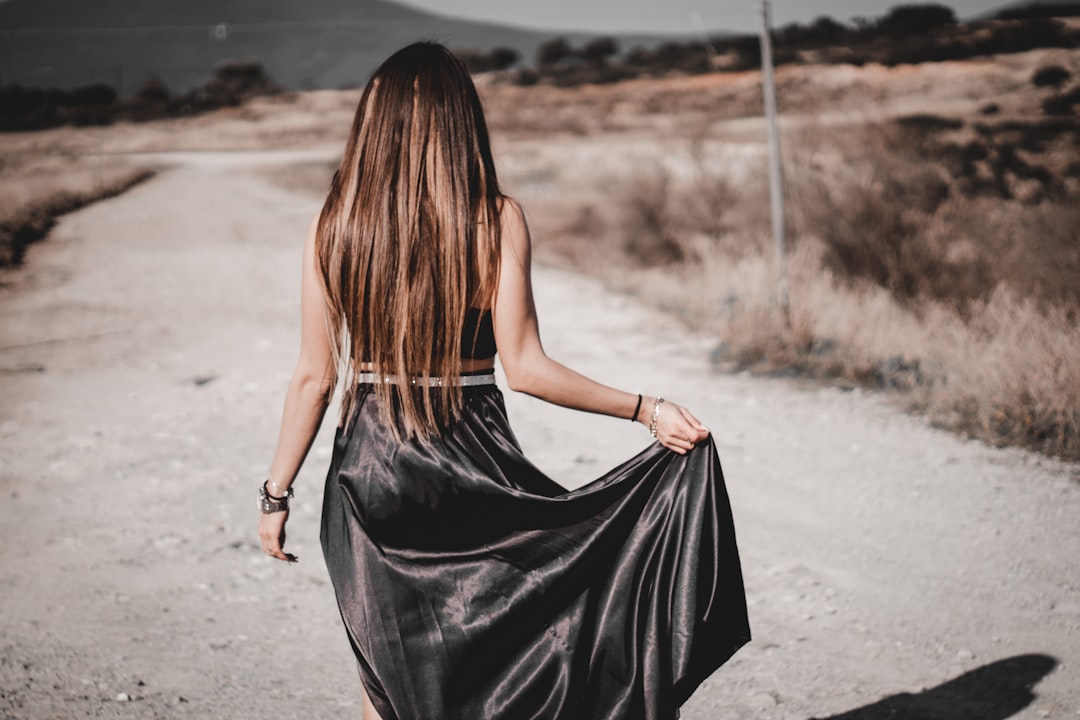
A classic styling move is the “skirt” even if you’re in jeans. Place your hands on your hips, fingers pointing down. On that light “tap” count, give a little outward flick with your fingers, as if you’re playfully shaking out a full skirt. It’s a small detail that screams tradition.
Your Kitchen is Your Dance Floor
You don’t need a club. You need a smartphone, a speaker, and maybe three square feet of space. Here’s how to start:
- **Find your teacher—music.** Start with classic Cumbia Colombiana. Search for Totó la Momposina or Los Gaiteros de San Jacinto. The tempo is welcoming, the percussion is clear, and the feeling is pure coast.
- **Practice in bursts.** Put on one song. For the first minute, just listen and clap the 1-2-3-tap. For the next two, just do the basic step, no arms. Another two, try adding the arm arc. By the third song, attempt a turn. Fifteen minutes is a lifetime of practice.
- **Ditch the mirror (at first).** Close your eyes. Feel the *guacharaca* scrape and the drum’s thump in your chest. Let your reaction be natural. The mirror comes later for polish; the first stage is all about connection.
Cumbia isn’t about mastering a rigid technique. It’s about remembering that your body knows how to move to a beat. That coastal circle has been open for two hundred years, and there’s always room for one more. Just find the music, find that tap, and let your hips answer the call.