I still remember the first time I walked into a Cumbia class. Two left feet, zero rhythm, convinced I'd make a fool of myself within thirty seconds. Three years later, I'm still not graceful—but I keep coming back. That's the thing about Cumbia: it doesn't need you to be perfect. It just needs you to show up.
Why Cumbia Hits Different
Cumbia started in Colombia's coastal regions, born from a mix of African drums, Indigenous storytelling, and Spanish colonial melodies. But here's what the history books don't tell you: it's a dance built for connection. Unlike salsa's competitive partnering or bachata's intimate pairs, Cumbia pulls you into a circle. You watch the person next to you, they watch you, and suddenly you're communicating through your feet.
The music has this-driving beat that gets under your skin. When the vallenato kicks in, your body wants to move even when your brain says no. It's why you'll find yourself humming cumbia songs at random moments—at the grocery store, in the shower, at 2 AM when you should be sleeping.
And honestly? It's one of the easier Latin dances to pick up. The basic step is forgiving. You can fudge the timing a bit, and nobody will notice. Contrast that with salsa, where one misstep sends you spiraling.
Where to Actually Learn in Forest City
Not every studio is worth your time or money. Here's the honest rundown of the spots that deliver:
Dance Dynamics runs a Cumbia Fusion class that attracts a specific crowd—people who've danced before and want to mix traditional steps with something fresher. The instructor, Marco, has this quiet way of correcting you without making you feel like you've failed. He'll demo a move three times, then let you work through it yourself. The music playlist leans toward modern cumbia remixes, the ones with the bass that rattacks your chest. Expect workouts that leave your calves screaming.
Latin Groove Studio is where you go if you're starting from zero. I'm talking "never-danced-in-public" zero. Their Cumbia Basics class keeps groups small—usually eight to twelve people—so you're not hiding in the back. Lucia, the owner, runs most of the beginners' sessions herself. She breaks moves down step-by-step and doesn't move on until everyone's grasped it. The vibe feels more like a group of friends than a class. People stick around after to chat.
Rhythm Republic is for when you've progressed past "beginner" but aren't ready for performasnce-level stuff. Their Friday night session gets competitive—folks pair up and run through choreographies. It's sweatier, more demanding, and honestly more fun if you've got some foundation. The advanced Wednesday class will challenge everything you thought you knew about footwork.
What Actually Happens in Class
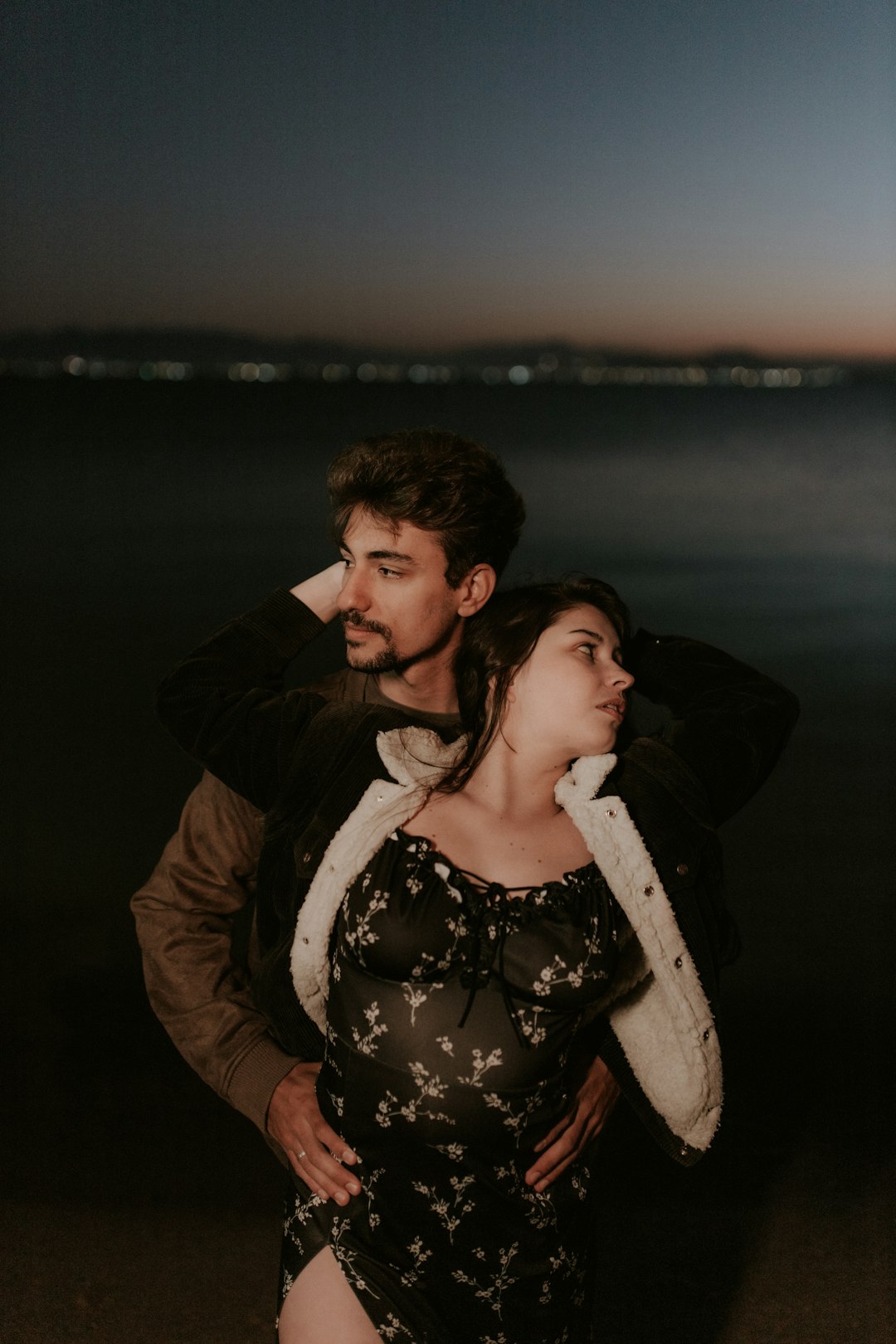
Most follow a predictable rhythm: twenty minutes of warm-up and mobility work, thirty to forty minutes of learning or drilling specific moves, then fifteen minutes of free dancing to close. Some nights they'll rotate partners; other nights you stick with whoever you're next to. The partner work getsintimate quickly—you're holding hands, locked into a frame, moving as one. It feels awkward the first dozen times. Then it clicks.
Stick with it through the awkward phase. Everyone's been there.
Tips Nobody Tells You
- **Bring two pairs of socks**. You'll sweat through one. The second pair makes the walk home bearable.
- **Don't buy shoes first**. Try classes in whatever you have. Many studios loan or rent basics. Figure out if you actually stick with it before investing.
- **The first month, your hips will ache**. Not painful—just awareness. It's your body learning where it should move.
- **Go with a friend or leave with one**. Having a regular partner makes class something you do together, increasing your odds of actually showing up.
- **Embrace looking stupid**. You're supposed to look stupid. That's how you learn.
- **Watch YouTube before your sixth class**. The tutorials out there aren't perfect, but seeing a move demonstrated differently often helps it click.
The Real Reason to Try
Here's what sold me: I've yet to leave a Cumbia class in a bad mood. Something about moving to that beat, sweating alongside strangers, learning to move together—it shifts something.
You'll probably embarrass yourself. You'll definitely sweat more than you planned. You'll likely go home, collapse on your couch, and wonder why you put yourself through this.
And then you'll go back. Because there's something about Cumbia that makes want to keep coming back.