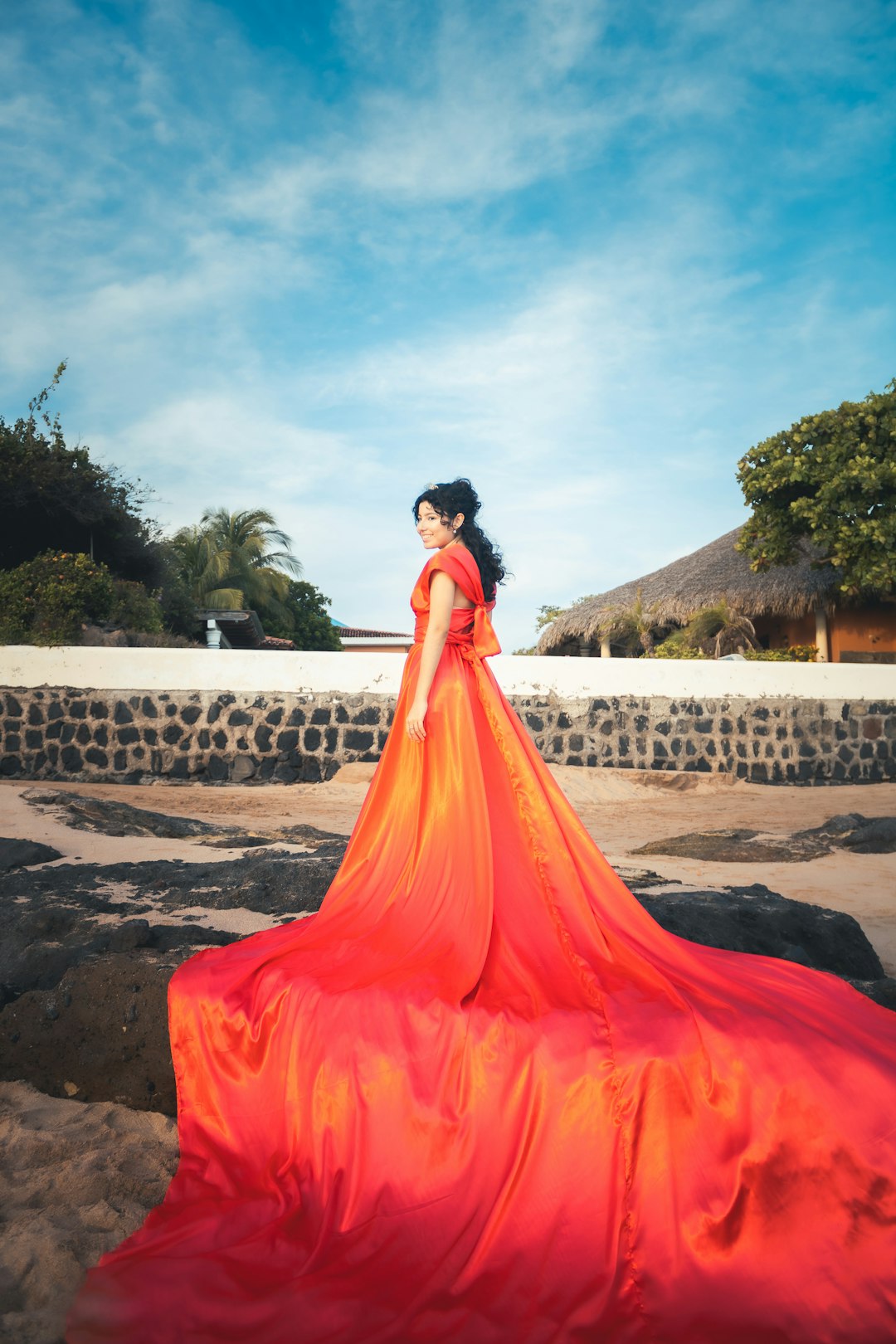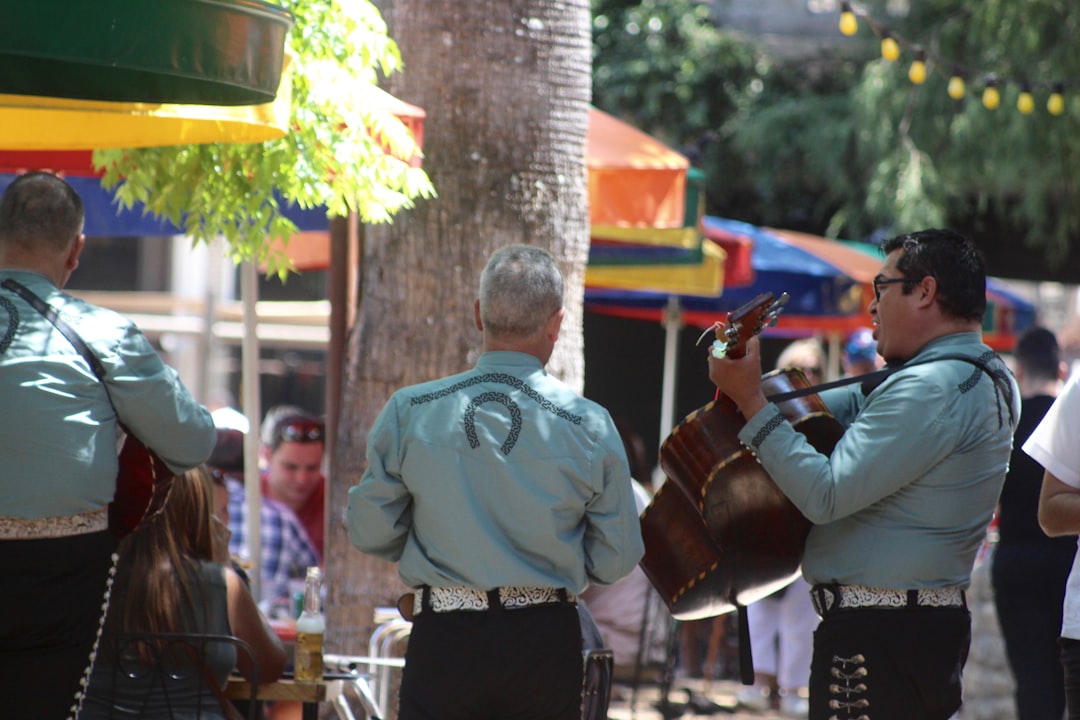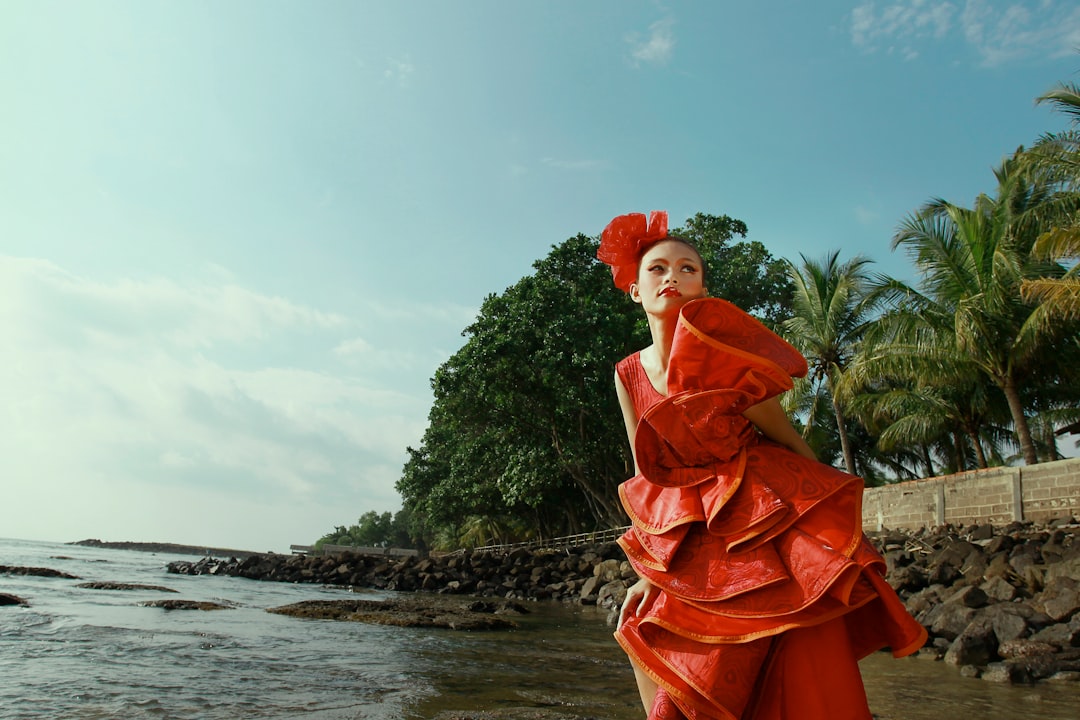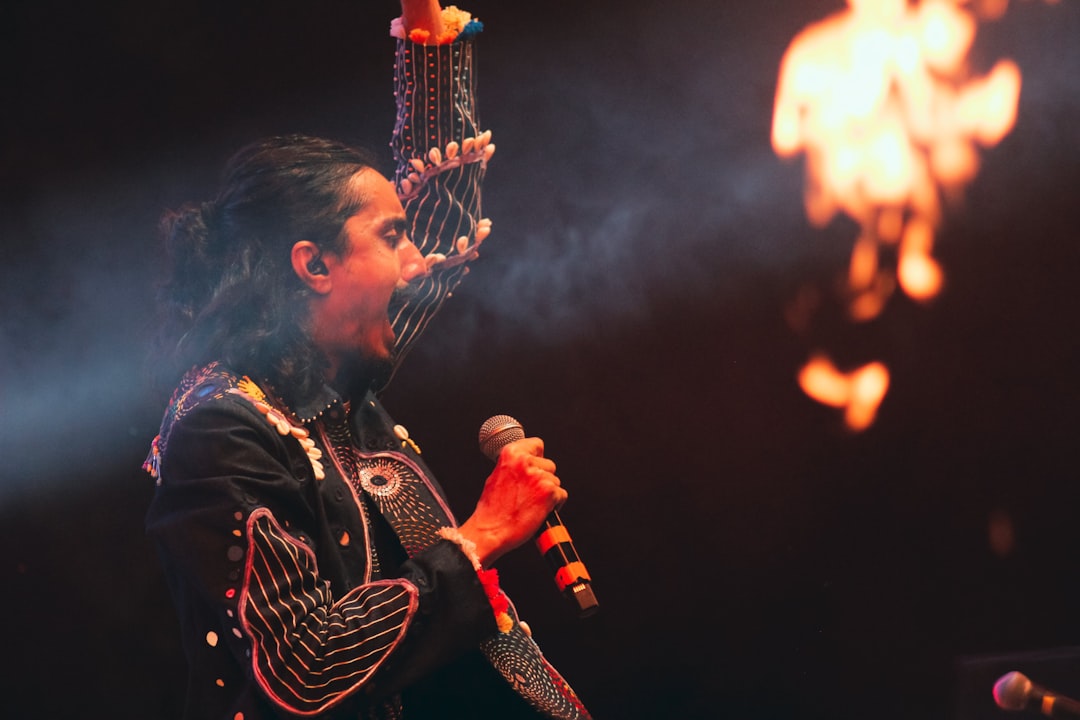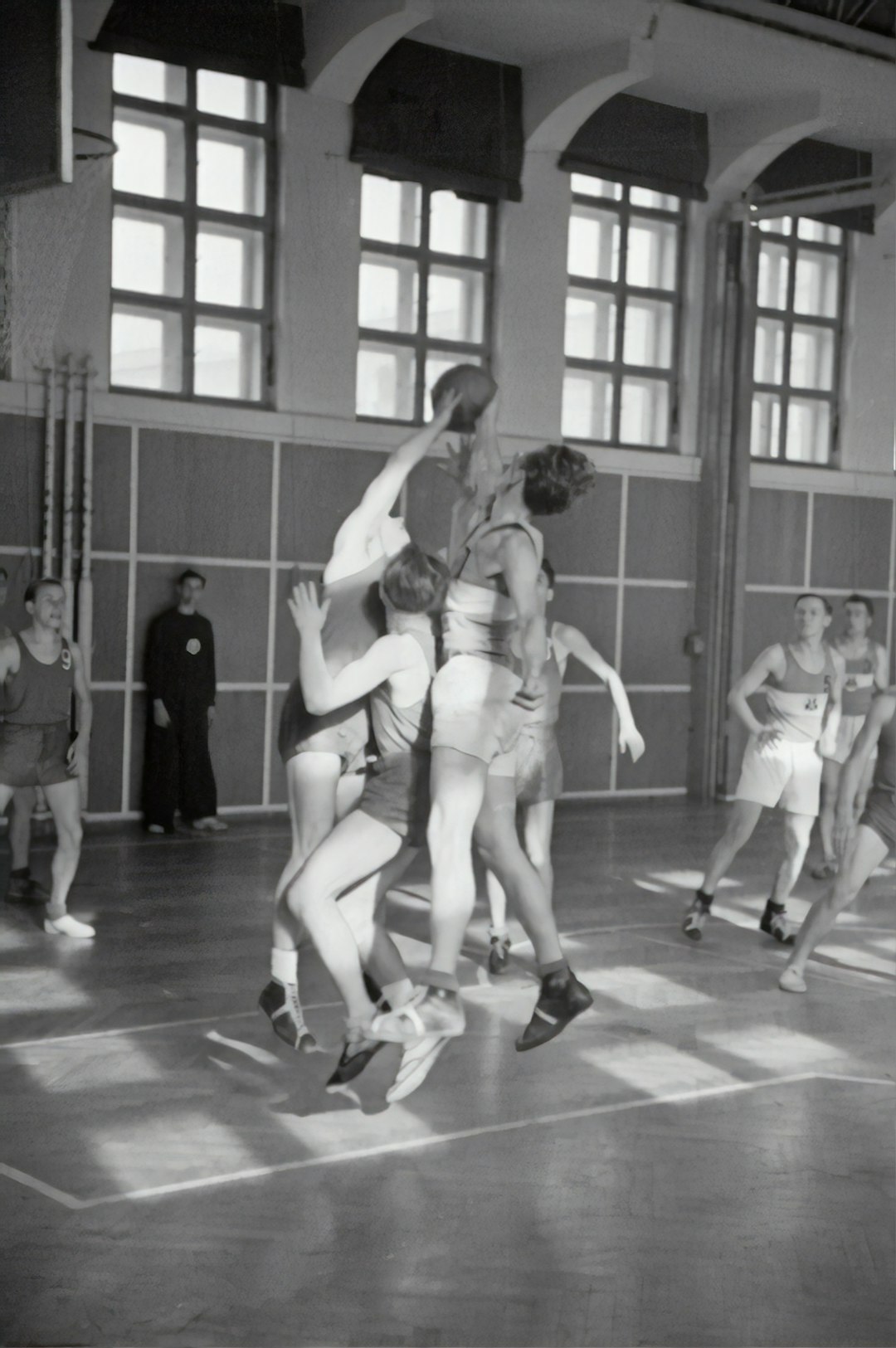
In the roda—the circle where Capoeira lives—two players face each other to the pulse of the berimbau, a single-stringed bow that dictates whether the game is playful or fierce. They're not fighting, exactly. Not dancing, exactly. They're doing something older and stranger, and starting this month, you can learn it in Cando City.
What Is Capoeira, Really?
Capoeira defies easy categories. Born in the sugarcane plantations of colonial Brazil, it was forged by enslaved Africans who disguised combat training as dance to outwit their oppressors. Outlawed until the 1930s, recognized by UNESCO as intangible cultural heritage in 2014—it survives as one of the world's most deceptive art forms.
Today, Capoeira remains a living tradition: part martial art, part music, part moving meditation, part communal ritual. You don't just practice Capoeira. You enter a culture with its own language (Portuguese), instruments, hierarchy, and ethics.
Why Capoeira Changes Bodies and Perspectives
Most fitness routines isolate. Capoeira integrates.
| What You Gain | How Capoeira Delivers It |
|---|---|
| Full-Body Conditioning | The signature ginga—a rocking, swaying stance—builds leg endurance and spatial awareness. Au (cartwheels) and rolês (low spins) develop core strength and mobility that conventional workouts rarely touch. |
| Functional Mobility | Constant ground-to-standing transitions train your body for real-world movement, not just gym performance. |
| Musical Fluency | You'll learn to play the berimbau, atabaque, and pandeiro—and understand how rhythm dictates the intensity of play. |
| Living History | Our classes honor Capoeira's legacy through Portuguese language, traditional music, and the communal roda where all elements converge. |
| Creative Problem-Solving | Every exchange in the roda is improvised. You read, react, and express—instantly. |
Classes Designed for Actual Humans
No previous experience. No minimum fitness level. No need to touch your toes (you'll get there). Our program meets you where you are.
Beginner Workshop
Master the ginga, basic kicks (martelo, meia lua de frente), and safe falling technique (esquiva). Learn your first songs and instrument basics. Eight-week progressive cycle; join any Monday.
Intermediate Sessions
Link movements into fluid sequences. Develop your floreio (acrobatic expression) and deepen your musical role in the roda. Introduction to malandragem—the strategic cunning that separates technicians from players.
Advanced Training
Complex interações (partner exchanges), high-level floreio, and leadership in the roda. Preparation for cord progression and event participation.
The Details
When: Mondays, Wednesdays, and Fridays, 6:00 PM – 8:00 PM
Where: Cando City Community Center, [Studio Room]
Your First Class: Free. No commitment. Just show up in comfortable clothes you can move in.
From Our Instructor
"Capoeira taught me that strength without music is just aggression, and music without movement is just noise. The roda demands everything you have—and gives back more. I started at 34, overweight, with two left feet. If I found my place, you will too."
— [Instructor Name], [Cord Rank], trained under [Mestre Name] in [Location] for [X] years
Ready to Step In?
The roda doesn't care where you started. It cares that you show up.
Reserve your free first class: [website form link]
Prefer to talk? Drop by the Community Center front desk during open hours (Mon–Sat, 9 AM–7 PM)
Questions? [email] | [phone] | [@handle] on Instagram and Facebook
The berimbau is already playing. The question is whether you'll answer it.