---
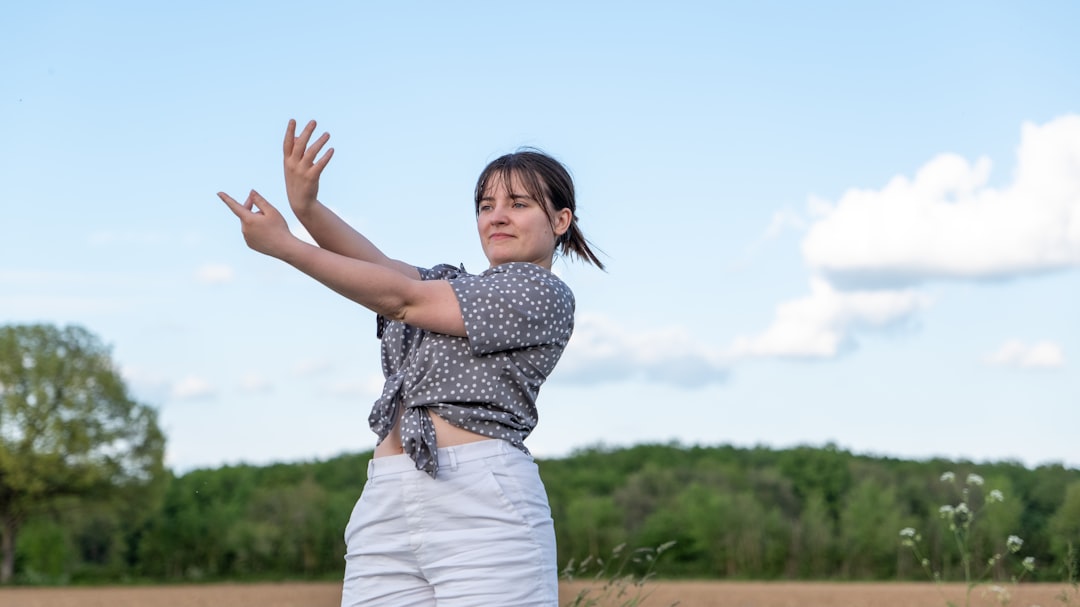
When Cece first walked into Rhythm Revolution Studio on a Tuesday night, she didn't know what to expect. She'd only seen Krump videos online—those wild, kinetic battles where dancers seem to channel pure adrenaline into every stomp and chest pop. She thought that kind of energy was something you were born with, not something you could learn.
She was wrong.
Six months later, Cece is one of the most talked-about dancers in Livonia's underground Krump scene. The difference wasn't talent. It was where she trained.
If you're serious about Krump, where you learn matters. Not just the moves—though you'll get plenty of those—but the culture, the community, the instructors who've been in the cypher. Here's where Livonia's Krump dancers actually go when they want to get better.
Livonia Krump Academy runs out of a converted warehouse on Dance Street, and walking in feels like entering a different world. The walls are covered with murals—flaming fists, crowned clowns, raw faces. The instructors here don't just teach choreography. Many of them have competed nationally, some internationally, and it shows in how they break down movement. Classes start with what they call "energy work"—finding your aggression, your release, the emotion behind the footwork. Beginners sometimes feel awkward at first. By month two, they're throwing down in battles like they've been doing it for years. The academy also brings in guest instructors quarterly. Last spring, a dancer from Detroit's Krump scene ran a weekend intensive that completely rewired how an entire cohort approached arm control. That's the kind of thing you can't get from YouTube.
Rhythm Revolution Studio takes a different approach. Owner Marcus Wells trained in both traditional Krump and contemporary dance, and it shows in his curriculum. Classes here feel less like military training and more like a conversation between styles. The spring floor helps—your knees will thank you after three hours of hits and stomps. Rhythm Revolution has a reputation for being welcoming to first-timers, which sounds simple but isn't. Some studios have an intimidating energy that can shut down a beginner before they even warm up. Here, the vibe is collaborative. Dancers pair up for exercises that require trust—pushing and pulling energy off a partner, reading each other's movements. It sounds soft until you realize how much control it builds.
Urban Pulse Dance Center is where you go when you're ready to perform. The Krump program here is physically demanding in a way that borders on athletic training. Classes include conditioning work—core strength, explosive power, endurance drills—alongside technique. Owner Diane Okafor came up through competitive Krump in the Midwest circuit, and she brings that battle-tested intensity to every session. Urban Pulse organizes monthly showcase nights at local venues, and the community events are well-attended. It's a great way to get performance experience in a lower-stakes environment before you step into an actual battle. The center also has a mentorship program pairing newer dancers with advanced students. If you're self-conscious about being green, having someone in your corner helps more than you'd expect.
Street Spirit Krump Hub is the outlier on this list, and that's exactly why it matters. It's less of a studio and more of a living room that happens to host some of the most genuine Krump instruction in the city. Classes are small—often under ten people—and the attention is individualized in a way large academies can't replicate. Street Spirit doesn't have a website worth mentioning. Word of mouth is how you find it, which somehow makes the community tighter. Founder Devon Mills started the hub after returning to Livonia from LA, where he'd trained under dancers who knew the original creators. He's careful about what he passes on. Not every style element, not every cultural reference—he makes sure students understand the origins and the weight behind them. Events at Street Spirit feel like family gatherings that happen to include cypher circles.
---
The truth about Krump training is that you can't separate the dance from the people who teach it. The moves are learnable. The energy is transferable. But the culture—the history, the community, the way Krump forces you to confront your own emotional landscape—that's what makes the difference between someone who does the steps and someone who actually krumps.
Cece still trains at Rhythm Revolution. She also drops into Street Spirit on weekends. She says it was Street Spirit that taught her what the dance actually meant. Rhythm Revolution gave her the framework to execute it.
Find both. Your crew is out there.