There's a moment every dancer remembers — that first time the accordion-heavy beat of Cumbia hits and your feet start moving without permission. It doesn't feel like learning. It feels like remembering something your body already knew. That's the doorway. What comes next is the real work.
If you're serious about stepping through it, you need more than YouTube tutorials and good intentions. You need a place that takes the dance seriously — and you, as a dancer, along with it.
Here's where to look.
The instructor changes everything
Forget about flashy studios for a second. Before you check the schedule or compare membership prices, ask one question: Where did your teacher learn this?
Cumbia is regional, generational, personal. A dancer who grew up watching their grandmother move through bailes in Córdoba carries something different than one who learned from a weekend workshop in Chicago. Both can teach you footwork. Only one can show you why the footwork matters — where it came from, what it meant to the people who invented it, how it shifts when you're dancing with someone versus performing for a crowd.
The best Cumbia training happens when the instructor's background and the school's philosophy align. At Cumbia Central in Queens, New York, most of the senior instructors are either Colombian-born or deeply trained in Colombian traditions. Students come in looking for exercise and leave with something harder to name — an understanding that Cumbia isn't just a dance, it's a conversation.
Look for a community, not just a curriculum
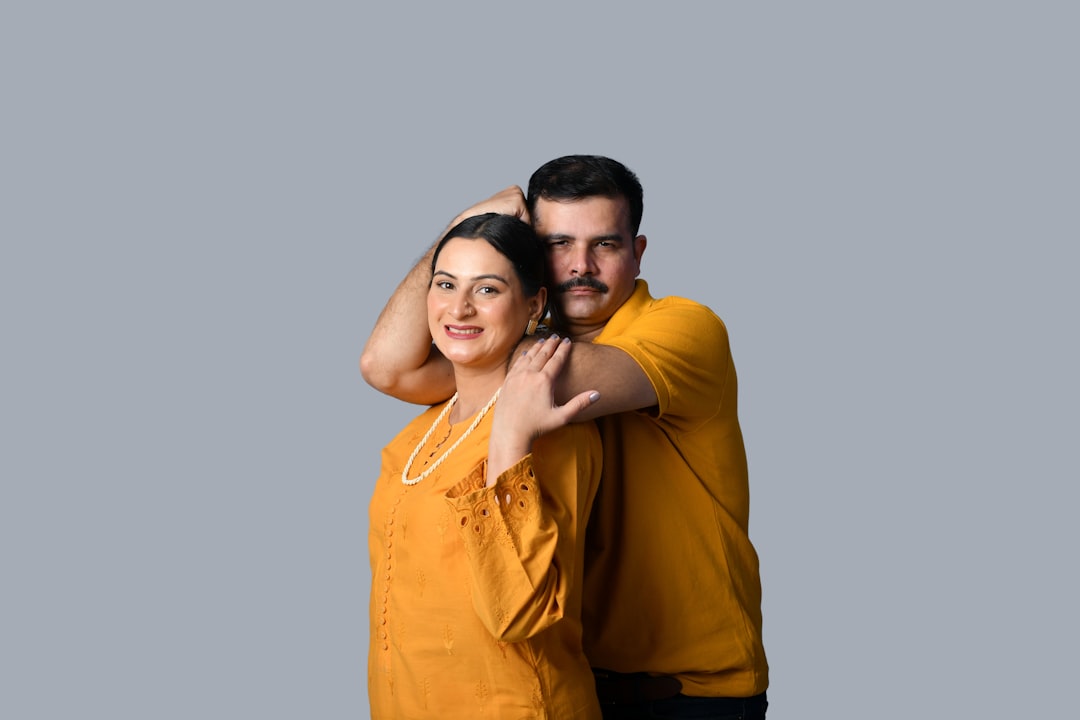
Technique matters. Footwork drills matter. But Cumbia was never meant to be danced alone. The whole point is the partnership — the way two bodies read each other through the rhythm, the call-and-response between dancers that makes a rueda feel electric.
This is why some of the most transformative Cumbia experiences happen in unexpected places. Community centers, church halls, backyard gatherings. Spaces where the floor is sticky, the speakers are rented, and everyone is there because they genuinely love the music. No mirrors, no judgment — just the groove pulling people forward.
Miami's Latin Heritage Academy has leaned into this. Their classes start with history and cultural context before a single foot moves. By the time students hit the floor, they understand what they're doing and why. It's a slower pace, but the depth pays off — especially for dancers who want more than choreography.
Online works — with a caveat
Let's be honest: not everyone has access to Queens or Miami or a thriving local Cumbia scene. Online learning has opened doors that geography kept locked for years. Platforms like Cumbia Sin Fronteras and Ritmo Academy offer structured curricula with instructors who know their stuff. Live Zoom workshops let you get real-time feedback. The material is there.
But here's the thing — you can't partner with a video. And Cumbia without a partner is like learning a language without ever speaking it. If you go the online route, treat virtual classes as preparation, not the destination. Use them to build your vocabulary of steps. Then get off the screen and find a floor where you can actually dance with someone.
Immersion, when you can manage it
For serious students, there's no substitute for going all in. Cumbia Groove Studio in Los Angeles runs intensive workshops — week-long deep dives that recreate something close to the Colombian experience. Mornings cover technique and history. Afternoons are open practice. Nights turn into social dances. By Friday, you're not thinking about your feet anymore. The rhythm has taken over.
It's not cheap, and it's not easy. But for dancers who feel the pull and want to understand it, it's the fastest path.
Start messy. Start somewhere.
The worst thing you can do is wait for the perfect school, the perfect schedule, the perfect moment. Cumbia doesn't work that way. The dance was born in celebration — in streets and courtyards, among people who had no formal training, just the music and each other.
Find a class. Show up. Step on a few toes. Laugh about it. Keep coming back.
That impulse in your body — the one that made your feet move before your brain caught up — that's your first teacher. Everything else just refines what it already knows.