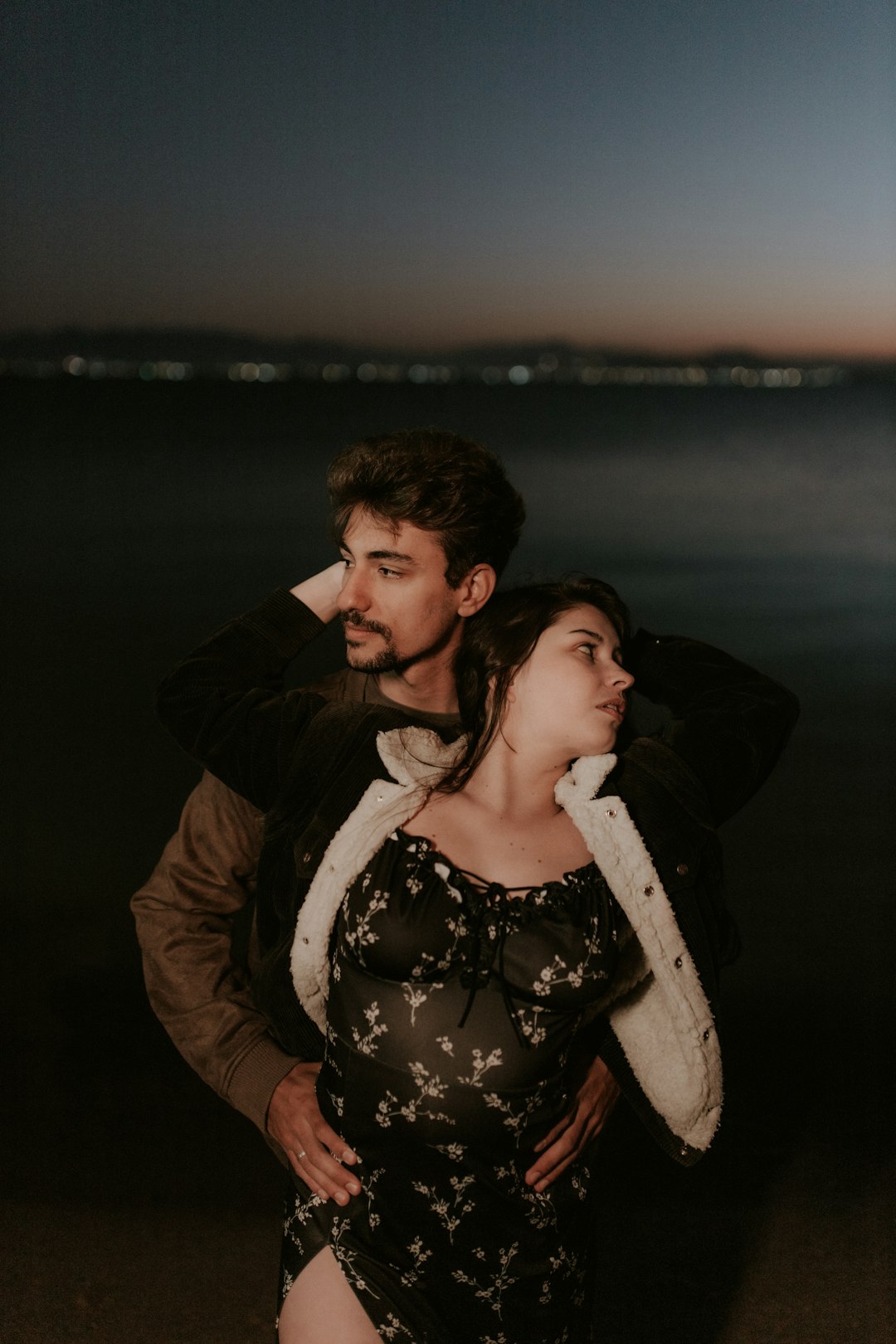
I still remember the sweat pooling at the base of my neck, the way my polo shirt stuck to my back, and how desperately I wanted to be anywhere else. My friend Marco had dragged me to a Latin night in Houston, and while he was already spinning some gorgeous dancer in the center of the floor, I was planted against the wall pretending to care about my warm beer. The accordion wailed. The guacharaca scraped. Everyone else moved like they were born to it. I counted the ceiling tiles.
Then an older woman named Doña Rosa grabbed my hand. She didn't ask. She just pulled me in and said, "You're thinking too hard. Cumbia lives in your hips, not your head." Within twenty minutes, I wasn't great—but I wasn't on the wall anymore. That's the thing about cumbia. It doesn't demand perfection. It demands participation.
If you're where I was that night—excited but terrified—here's what actually matters.
Find the Pulse Before You Find the Steps
Don't worry about your feet yet. Just stand there and feel it. Cumbia runs on a steady 4/4 heartbeat, but it's the spaces between the beats that matter. That slight pause where your hip can drop. That tiny pocket where the percussion tickles your ribs.
Once you feel it, the basic step is almost insultingly simple. Step forward with your right foot. Let your left foot catch up. Step back with your left. Right foot follows home. That's it. Four counts. But here's the secret nobody writes in dance manuals: your weight should feel like it's pouring from one foot to the other, like sand in an hourglass. Stiff legs make you look like you're marching. Soft knees make you look like you're dancing.
Do this in your kitchen tonight. Seriously. Put on "La Pollera Colorá" by Wilson Choperena and practice shifting your weight while you're waiting for pasta to boil. The music does ninety percent of the work if you let it.
Learn the Swagger, Not Just the Steps
After the basic step clicks, your body will want to move sideways. Let it. This isn't ballroom. There are no judges holding scorecards.
Step right. Bring your left foot over to kiss it. Step left. Right foot follows. The magic happens when your hips decide to join the conversation. Don't force some exaggerated salsa swivel. Just let your pelvis relax into the movement, like you're walking across the deck of a very slow, very steady boat. One of my teachers used to say, "If your hips are talking, your feet don't need to shout."
The side step is your recovery move. When you forget what comes next, when you accidentally step on someone's toe, when the song speeds up—this is where you breathe. It buys you time without looking like you've given up.
The Cross Step That Separates Tourists from Dancers
Okay, this one feels like a magic trick when it clicks. Start with your basic step, but instead of bringing your left foot straight back on beat two, cross it in front of your right. Then step back with your right. Unwind with your left.
The first dozen times, you'll feel like you're tangling yourself in Christmas lights. That's normal. Do it slowly. Cumbia isn't a speed contest. The cross step adds texture to your dancing—it breaks up the predictable back-and-forth and makes you look like you know what you're doing, even if you're internally screaming.
I practiced this in socks on my hardwood floor for a week before I tried it in public. There's no shame in the slow build.
Partner Work Is a Conversation, Not a Dictatorship
Here's what terrified me most about social dancing: the fear of leading badly or following worse. But cumbia partner work is surprisingly forgiving.
If you're leading, your job isn't to choreograph your partner's night. Hold their hand lightly—think handshake pressure, not death grip. Your body suggests directions; it doesn't shove. A slight pressure forward means "step back." A gentle lift means "turn here." If they don't follow, you adjust. Blame is not a move in cumbia.
If you're following, stop trying to predict. I used to mentally rehearse what I'd do next, which meant I was always half a beat behind. The lead gives you information; your body responds. It's like a good conversation where you're actually listening instead of planning your next sentence. When both people relax into that exchange, you get those moments where the music seems to be dancing you instead of the other way around.
Your Arms Are Dying of Boredom
New dancers often turn into T-Rexes. Elbows pinned to ribs, hands hovering awkwardly near the chest, looking like they're clutching invisible purses. Your arms have things to say too.
When you step forward, let one arm extend naturally, like you're reaching for a high shelf. When you step back, the other floats out. Sometimes both hands go up when the chorus hits—not because you planned it, but because the trumpets demanded it. I once saw a guy in Guadalajara dance entire songs with one hand in his pocket and the other swirling a beer. Was it textbook form? Absolutely not. Did it look cooler than anything in a tutorial? Without question.
The goal isn't synchronized swimming. The goal is looking like a human being who's enjoying music.
---
Doña Rosa taught me something that night in Houston that no video tutorial could: cumbia rewards the brave, not the perfect. You don't need twelve years of ballet. You don't need the right shoes. You need to step onto the floor before your anxiety finishes its speech.
The next time that accordion cries out and the floor starts filling, don't wait for permission. Your hips already know what to do. Your feet will catch up. And that wall you're leaning against? It'll still be there if you need a break. But I promise you won't.