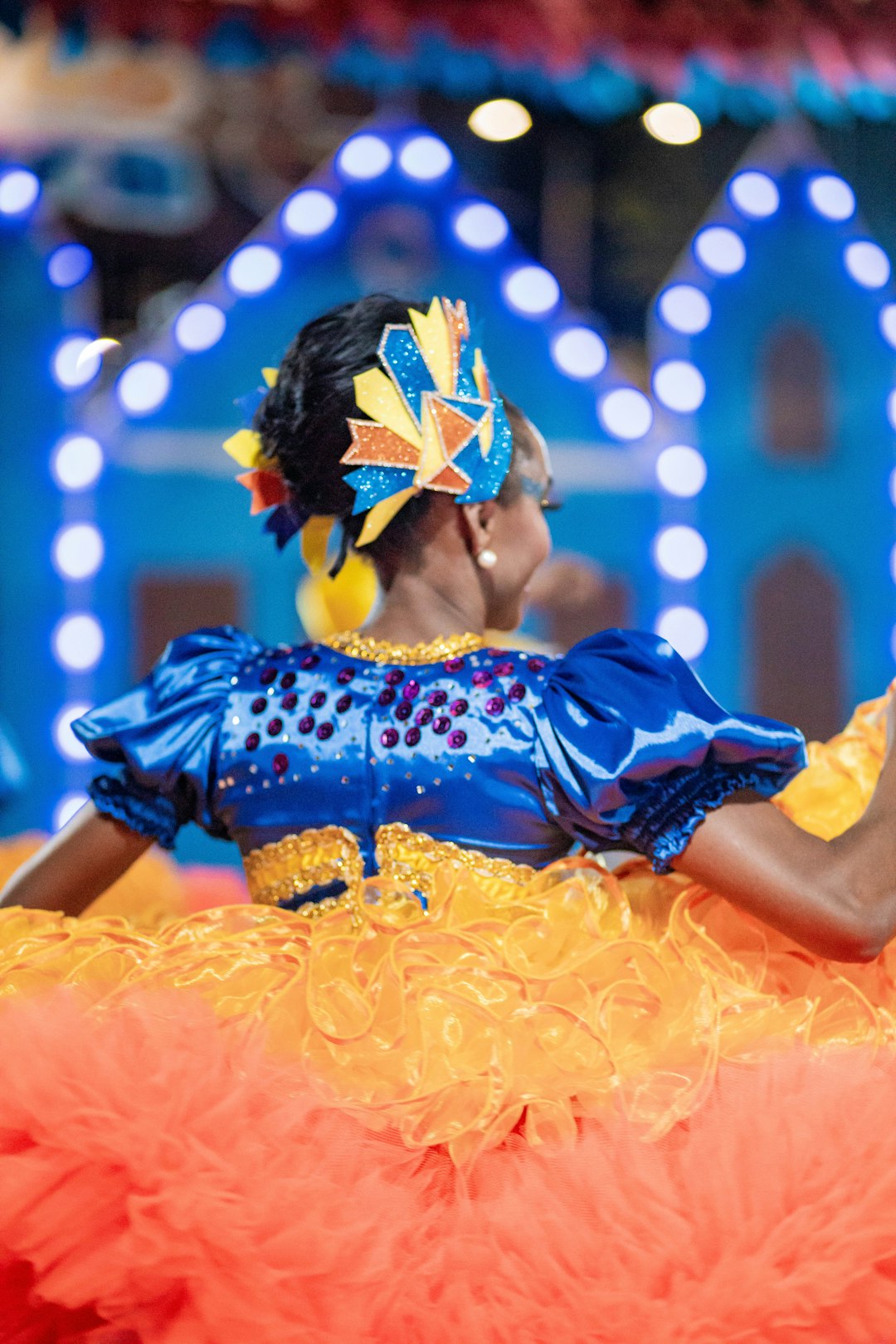
Flamenco, a passionate and expressive dance form originating from Andalusia, Spain, is renowned for its intricate footwork. For aspiring dancers, developing clean, rhythmic footwork is the foundation of every performance. In this guide, we'll break down the essential techniques, tools, and rhythms you need to build your skills from the ground up.
What You'll Need
Before you take your first step, gather the right equipment:
- Flamenco shoes (zapatos de flamenco) with reinforced heels and toes
- A smooth wooden or marley floor that allows your shoes to strike cleanly and slide safely
- Comfortable clothing that doesn't restrict your legs or hips
Avoid practicing on concrete, tile, or carpet. Hard surfaces damage your shoes and joints; carpet muffles sound and catches your heel.
Understanding the Basics
Flamenco footwork doesn't exist in isolation. It lives inside compás—the rhythmic structure that governs every dance. Before tackling complex patterns, familiarize yourself with these core elements:
- Zapateado: Stamping footwork, the percussive heart of flamenco dance
- Palmas: Hand clapping used to mark and support the rhythm
- Pitos: Finger snapping, another percussive layer (separate from footwork but part of the broader flamenco sound)
These elements work together, but this guide focuses specifically on building your zapateado from the floor up.
Step 1: Developing Your Stance
A strong flamenco stance is the foundation of good footwork.
Stand with your feet hip-width apart, knees slightly bent, and your weight centered over the balls of your feet. Keep your torso lifted, shoulders relaxed, and arms ready in a soft, rounded position. Your head should feel balanced over your spine, gaze forward and confident.
This stance does two things: it gives you explosive power for striking and quick mobility for shifting weight between steps.
Step 2: Mastering the Three Foundational Strikes
Every flamenco step is built from three basic strikes. Learn them slowly and precisely before combining them.
Planta (Ball of the Foot)
Lower the ball of your foot firmly into the floor, keeping your heel lifted. The sound should be crisp and full, not tentative.
Tacón (Heel)
Drop your heel straight down after a planta, or strike it independently. Avoid slamming backward—think downward impact to protect your ankle and produce a clean tone.
Punta (Toe)
Strike the very front tip of your shoe into the floor. This creates a sharp, high-pitched sound and requires strong ankle control.
Beginner Exercise: The Basic Pulse
Start with a simple planta-tacón pattern:
PLANTA-tacón, PLANTA-tacón, PLANTA-tacón
Strike the ball of your foot first, then drop the heel. Repeat slowly until both sounds are even and clear. Once confident, reverse it:
TACÓN-planta, TACÓN-planta, TACÓN-planta
Practice each version for two to three minutes daily, gradually increasing speed only when precision holds steady.
Step 3: Adding Rhythm and Dynamics
Flamenco footwork is meaningless without compás. One of the most important rhythmic structures for beginners is the 12-beat compás, used in styles like soleá and bulerías.
The 12-Beat Compás Count
The accents fall on beats 12, 3, 6, 8, and 10:
12 – 1 – 2 – 3 – 4 – 5 – 6 – 7 – 8 – 9 – 10 – 11
Try clapping this pattern first. Once it feels natural in your body, replace selected claps with planta-tacón strikes. For example, mark the strong beats with your feet and fill the weaker beats with palmas or silence.
Playing with Dynamics
Flamenco tells stories through contrast. Experiment with:
- Soft strikes (sordos): Muffled, earthy sounds created by relaxing the leg
- Loud strikes (sonidos): Sharp, ringing strikes with full commitment
- Silence: The space between sounds is just as expressive as the noise
Step 4: Combining Steps and Patterns
Once individual strikes feel natural, begin linking them into short sequences.
Start with a marcaje (marking step)—a traveling step that moves you across the floor while keeping time