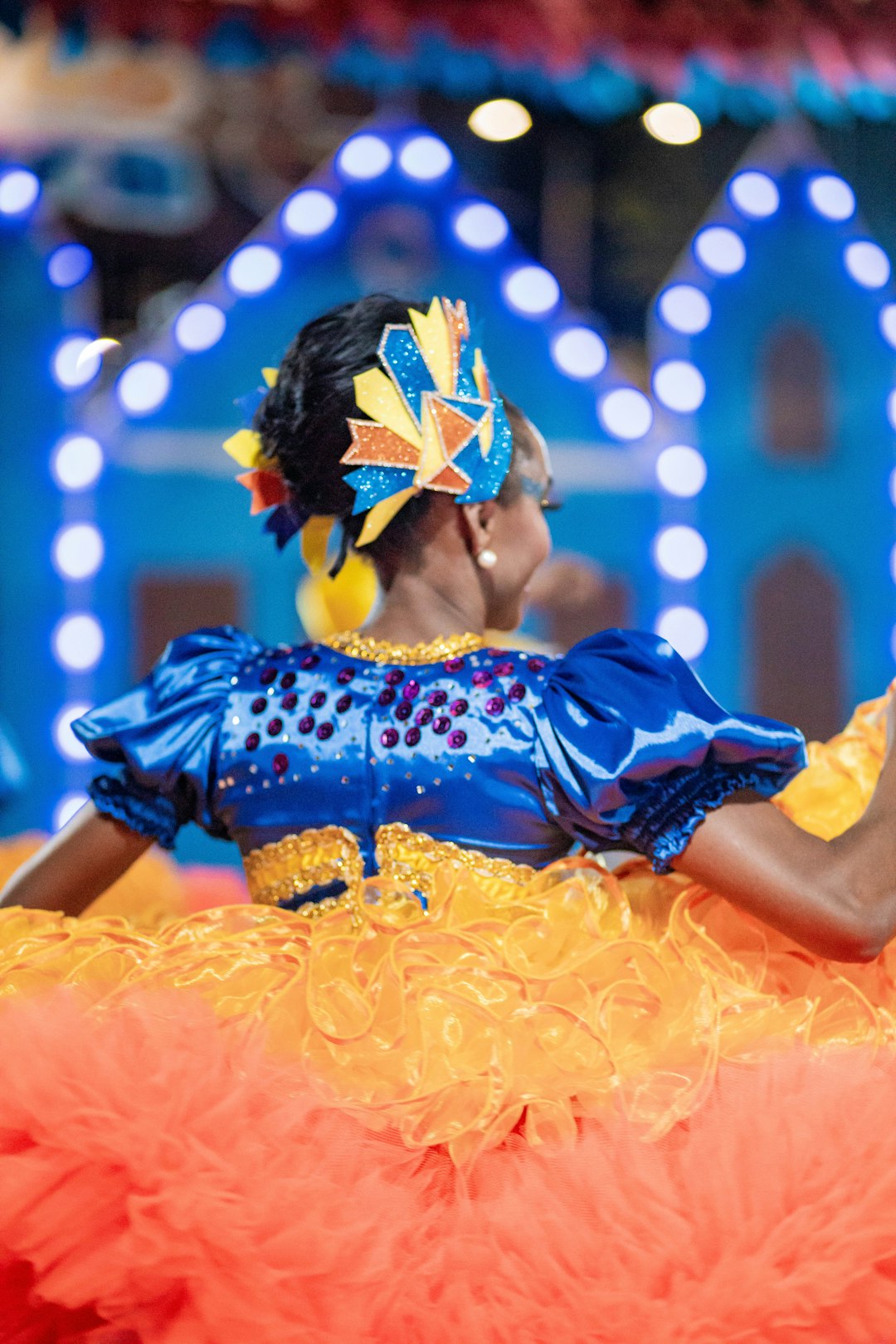
Flamenco is more than a dance—it's a living art form that demands precision, passion, and deep cultural understanding. Originating in 18th-century Andalusia, Flamenco emerged from the cultural intersection of Romani, Spanish, Moorish, and Jewish communities. Recognized by UNESCO as an Intangible Cultural Heritage in 2010, it encompasses cante (song), toque (guitar), and baile (dance)—with the dancer serving as both interpreter and percussionist.
If you're ready to begin your Flamenco journey, these five fundamentals will establish the technique, musicality, and cultural awareness essential for authentic growth.
1. Master the Foundations of Taconeo (Footwork)
Flamenco footwork creates rhythmic percussion that dialogues with the guitarist and singer. Rather than generic "stamping," you'll develop precise strikes using specific zones of the foot.
Begin with these three foundational sounds:
- Planta: Strike the ball of the foot, keeping the heel elevated
- Tacón: Bring the heel down sharply, maintaining weight control
- Golpe: The full foot strike, planted firmly and decisively
Practice these stationary first, maintaining el pecho fuera—an elevated torso with engaged core and shoulders held back. Posture is non-negotiable in Flamenco; it communicates dignity and presence before you move a single step.
Once individual sounds are clean, progress to zapateado—rhythmic footwork sequences that create melodic percussion. Start slowly; speed without clarity is merely noise.
2. Develop Your Braceo (Arm Work) and Floreo (Hand Artistry)
Arm movements in Flamenco frame the body and punctuate emotional expression. Unlike ballet's flowing lines, braceo features angular, purposeful gestures rooted in the back and shoulder blades.
Key principles to internalize:
- Elbow positioning: Keep elbows lifted and slightly forward, creating the characteristic frame
- Wrist rotation: Practice vueltas de muñeca—wrist circles that transition smoothly between positions
- Finger articulation: Develop floreo, the intricate hand and finger movements that resemble blooming flowers. Each finger moves independently with controlled tension
Begin with arriba (upward arm pathways) and llamada (a "call" gesture that signals musical transitions). Film yourself to check that movements originate from the shoulder and back, not isolated wrist flicks.
3. Internalize the Compás (Rhythmic Structure)
Flamenco music operates through strict rhythmic frameworks that vary by palo (Flamenco form). Dancers must embody these rhythms physically while remaining responsive to live musical interplay.
Your listening curriculum should progress deliberately:
| Level | Palo | Rhythmic Structure | Recommended Artists |
|---|---|---|---|
| Beginner | Tangos, Rumba | 4/4 time, steady pulse | Estrella Morente, Diego El Cigala |
| Intermediate | Alegrías, Tientos | 12-beat compás with accent variations | Carmen Amaya (film archives), Sara Baras |
| Advanced | Soleá, Bulerías | Complex 12-beat cycles with syncopation | Mario Maya, Farruquito |
Essential listening foundation: Camarón de la Isla (revolutionary cante), Paco de Lucía (transformative toque), and Carmen Amaya (the most filmed dancer in history).
Practice palmas (hand clapping) to develop rhythmic precision. The cuadro flamenco—the traditional ensemble of dancer, singer, and guitarist—depends on this shared rhythmic vocabulary.
4. Choose Your Training Environment Strategically
Self-study has limits in Flamenco. The form's oral tradition and subtle physical corrections require knowledgeable mentorship.
When evaluating instructors, prioritize:
- Certification or professional lineage: Training from institutions like Fundación Cristina Heeren (Seville), Escuela de Baile de Matilde Coral, or professional tablao (performance venue) experience
- Comprehensive curriculum: Classes covering técnica (technique), escuela bolera (classical Spanish influence), and coreografía (choreography) alongside compás study
- Live music integration: The best training includes guitarist and singer accompaniment, developing your capacity for duende—the spontaneous emotional exchange between artists
Supplement weekly classes with juergas (informal Flamenco gatherings) if accessible, or filmed performances from the Festival de Jerez or Bienal de Sevilla.