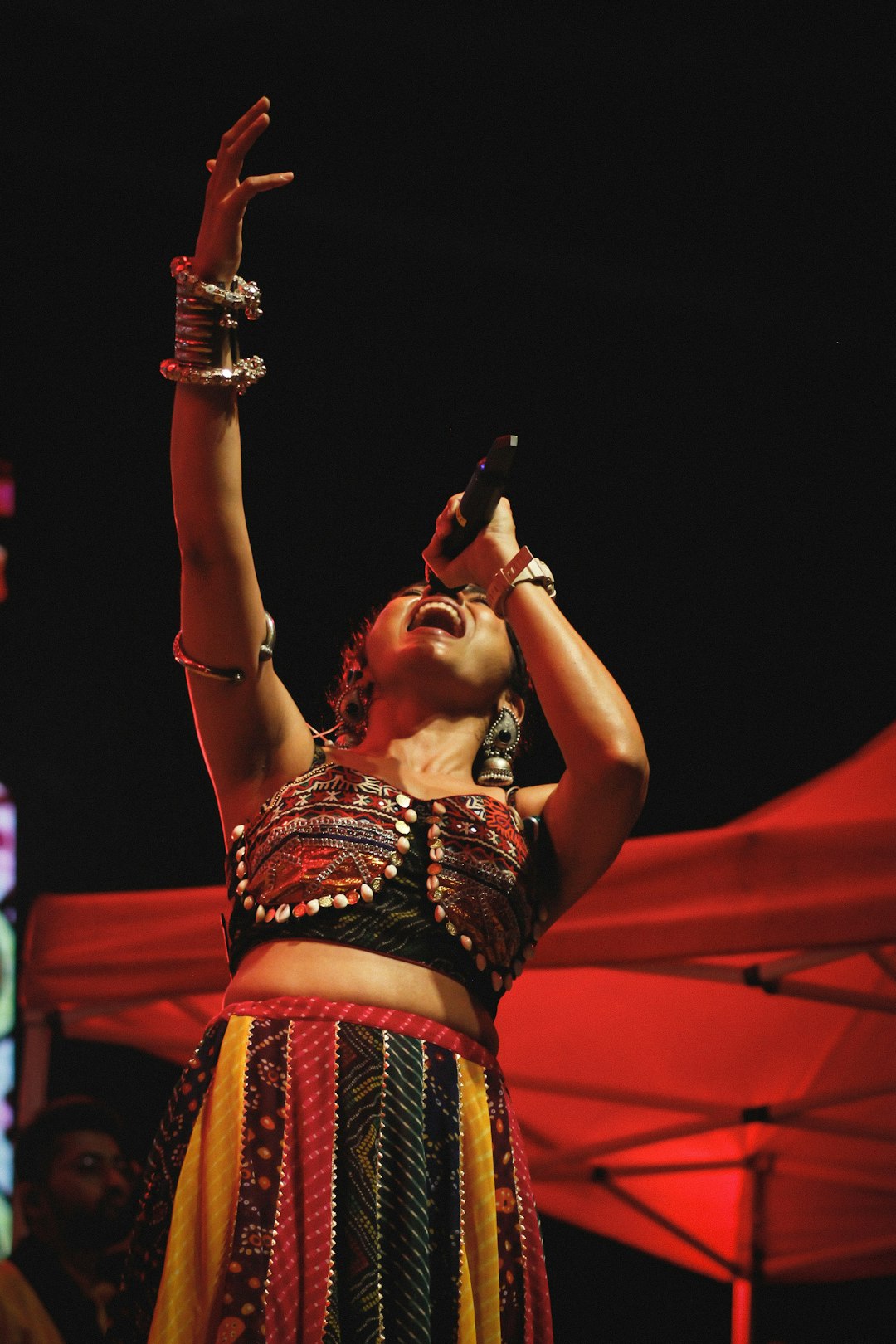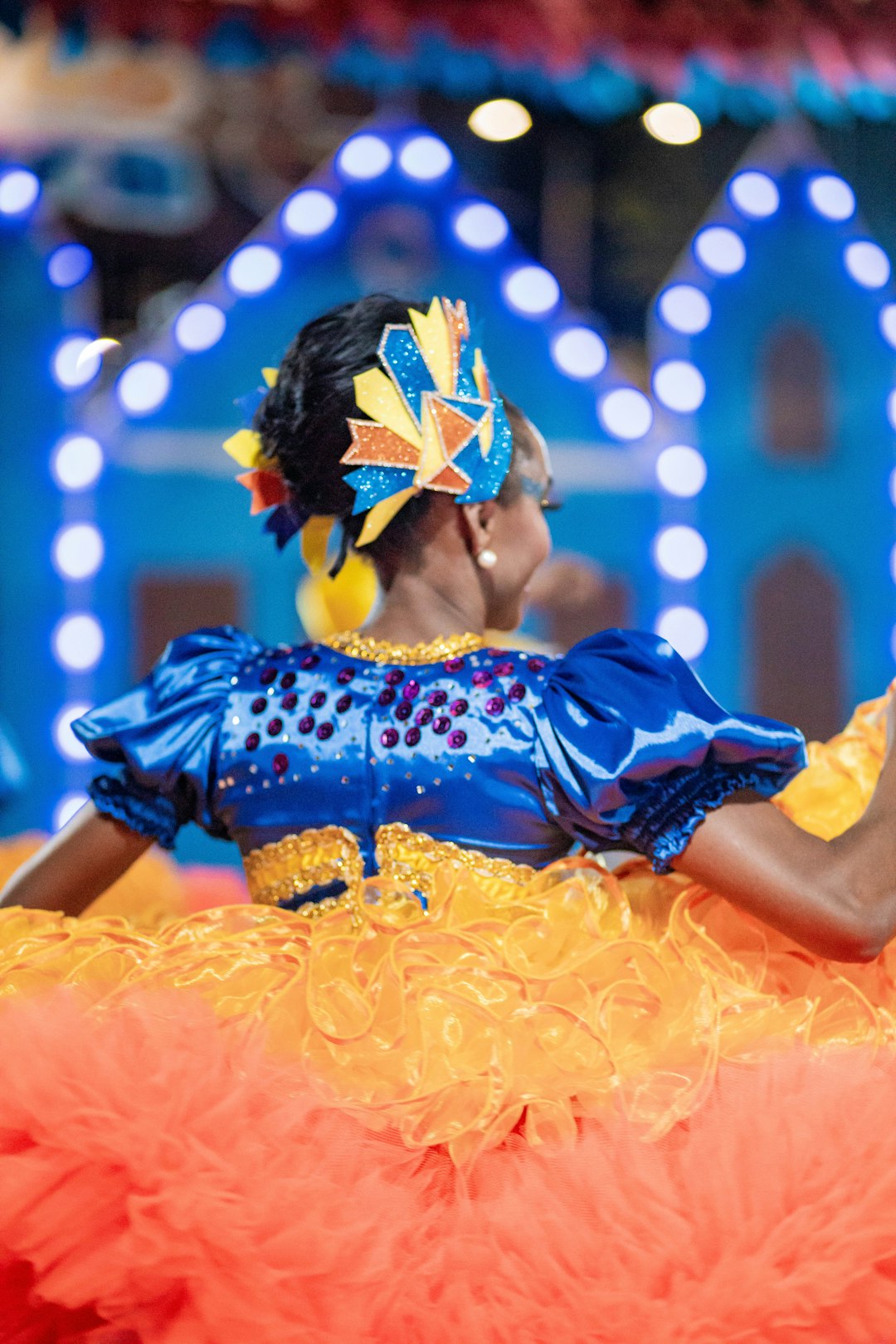
The zapateado strikes the floor like gunfire. The dancer's spine arches, arms carving space with the precision of a matador and the abandon of a mourner. This is Flamenco—born in the cantes of Andalusian coal miners and the fiestas of Gitano communities, not in dance studios.
If you're stepping into this demanding art form, understand that Flamenco rewards those who respect its roots. These six principles will ground your practice in authentic tradition while building the technical foundation you need.
1. Build Your Foundation in Compás
Before attempting flashy footwork, master compás—the 12-beat rhythmic cycle that governs every palo (song form). This is Flamenco's heartbeat, and without it, nothing else matters.
Your early training should emphasize:
- Posture: Técnica de pies requires a lifted torso, engaged core, and grounded weight distribution
- Footwork mechanics: Heels (tacón), balls (planta), and full-foot strikes (golpe) that create percussive precision
- Arm technique (braceo): Circular pathways originating from the shoulder, not the elbow, with wrists that complete—not initiate—movement
Find an instructor who demonstrates these elements slowly, repeatedly, until your body absorbs them. Speed without compás is merely noise.
2. Prepare Your Instrument
Flamenco makes physical demands unlike ballet or contemporary dance. The sudden vuelta (turns), sustained zapateado sequences, and unforgiving wooden floors require specific conditioning.
Begin with ankle stability exercises and core strengthening for the abrupt postural shifts that define the form. Start practice in shoes with sturdy, low heels—professional zapatos de flamenco with nailed soles come only after your technique solidifies. Prematurely wearing performance footwear risks injury and ingrains bad habits.
3. Train Your Ear Actively
Passive listening won't develop the rhythmic sensitivity Flamenco demands. Approach the music as a participant, not an observer.
Start with Soleá: slow, tragic, built for baile. In any recording, identify three layers:
- The cante (song) leading with raw, improvised quejío (lament)
- The guitarra responding, filling spaces between vocal phrases
- The palmas (handclaps) marking contratiempo (off-beats)
Practice clapping palmas sordas (muffled) on beats 3, 6, 8, 10, 12. When you can maintain this while cante and guitar shift beneath you, you're beginning to hear compás from the inside.
4. Understand What Your Body Carries
Flamenco emerged from Gitano (Roma) communities in Andalusia and Extremadura, shaped by centuries of marginalization, celebration, and resistance. The duende that Lorca described—"the mysterious power everyone feels but no philosopher explains"—arises from this history, not from performed intensity.
Read about the cante jondo tradition. Watch documentaries on tablao culture versus peña gatherings. Visit exhibitions on Gitano artistry if you can. But know that intellectual knowledge serves only to deepen what your body must eventually express. The culture lives through transmission, not consumption.
5. Choose Your Teacher Wisely
Flamenco pedagogy follows maestro-to-alumno relationships rooted in respect and prolonged observation, not transactional instruction. Quality teachers vary wildly in availability outside Spain, so evaluate carefully:
- Do they explain the palo context for each combination?
- Do they correct your compás before your extension?
- Do they discuss duende as something earned, not summoned?
A mentor who provides honest correction—who stops you mid-phrase when compás slips—is worth more than one who offers empty encouragement. The tablao will expose every hesitation; better to face that truth in the studio first.
6. Embrace the Long Apprenticeship
Flamenco will not lie. The form exposes inauthenticity immediately—the gesture that seeks approval rather than expressing necessity, the zapateado that prioritizes volume over precision.
Progress arrives slowly, often invisibly, until one day your braceo breathes with the cante without conscious effort. This cannot be rushed. What appears as repetition is, in fact, accumulation: layers of compás internalized, cultural understanding deepened, physical control refined.
The dancer you become emerges from this patience. Not from forcing passion, but from