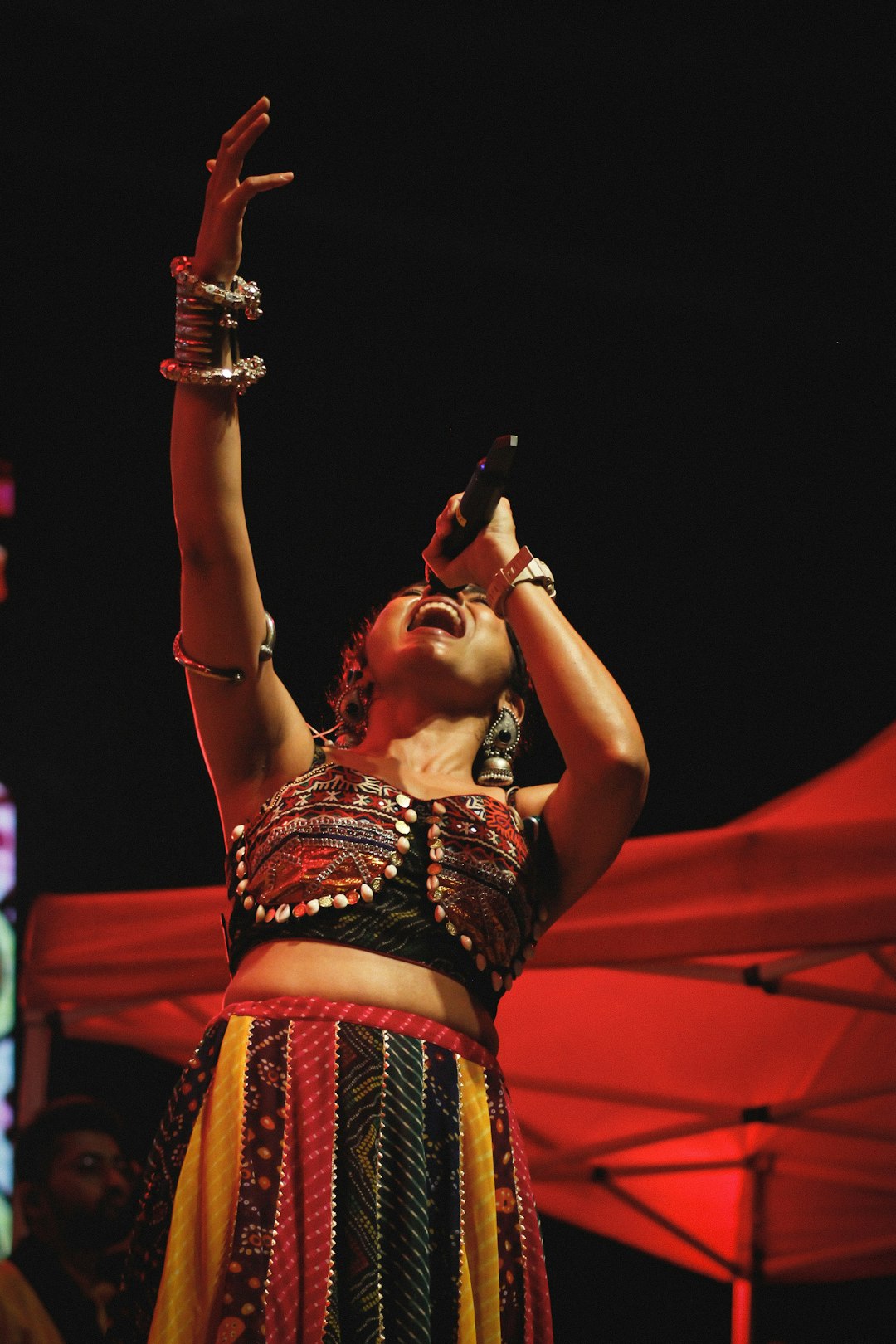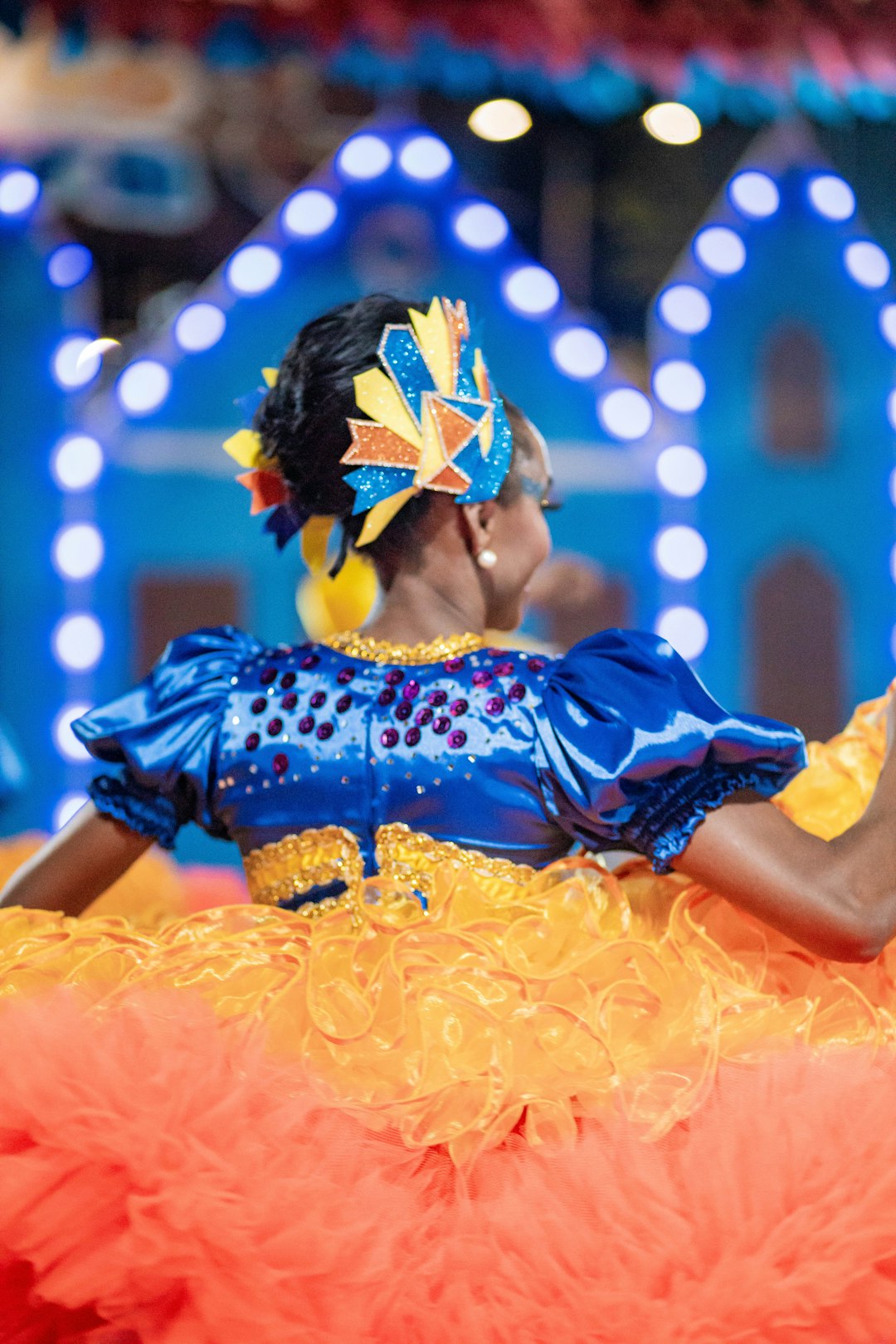
The first time you hear the raw cry of a flamenco singer—el cante—and the urgent strum of guitar strings, something shifts. Then the dancer enters: feet striking the floor like living percussion, arms carving arcs through the air, every movement a conversation with the music. This is flamenco, a centuries-old tradition born in the caves and taverns of Andalusia, where Roma, Moorish, Jewish, and Spanish cultures intertwined to create something utterly singular.
What draws people to flamenco isn't polished perfection. It's duende—that mysterious quality of soul and authenticity that emerges when technique and emotion collide. Whether you're eighteen or sixty, a trained dancer or someone who hasn't moved beyond wedding receptions, flamenco welcomes you. But it demands something in return: respect for its roots, commitment to its rigor, and willingness to be transformed.
Here's how to begin that journey with intention.
Step 1: Find Your Teacher (And Know What to Look For)
Not every dance instructor who teaches "flamenco-style" classes understands the form's cultural and technical depth. A qualified teacher should:
- Train in Spain or with master teachers who maintain direct lineage to Andalusian tradition
- Teach compás—the complex 12-beat rhythmic cycles that form flamenco's heartbeat
- Incorporate live or recorded cante and toque—flamenco without its musical partners is incomplete movement
Where to search: Local flamenco societies, university world dance programs, Spanish cultural centers, or the Flamenco Festival network. Expect to pay $15–$30 per group class in major cities, $40–$80 for private instruction.
Red flags: Teachers who emphasize aesthetics over rhythm, who never mention specific palos (rhythmic forms), or who treat flamenco as generic "Spanish dance" fused with ballet or belly dance.
Step 2: Dress for the Work (Not the Stage)
Your first classes require minimal investment:
- Footwear: Leather-soled character shoes or low-heeled flamenco practice shoes ($60–$120). Avoid rubber-soled jazz shoes—they deaden the percussive golpe you need to hear and feel. Bare feet or socks work temporarily for absolute beginners.
- Clothing: Form-fitting top and skirt or pants that allow you to see your hip alignment. Flamenco posture—postura—requires lifted chest, dropped tailbone, and engaged core; baggy clothes obscure this.
- Accessories: Castanets (palillos) come later. Focus first on coordinating hands, feet, and breath without additional complexity.
Step 3: Master the Fundamentals (This Takes Longer Than You Think)
Flamenco technique is cumulative. Skipping fundamentals produces dancers who look busy but lack aire—that unmistakable flamenco quality. Your first six months should emphasize:
| Element | What It Is | Why It Matters |
|---|---|---|
| Marcaje | Marking steps that trace the compás | Builds your relationship with rhythm before adding speed |
| Golpe | Heel strikes with full foot planted | Creates the percussive foundation; precision over power |
| Tacón | Heel work in place and traveling | Develops ankle strength and rhythmic clarity |
| Braceo | Circular arm movements with energized hands | Frames the body; "dead" arms kill the dance |
| Floreo | Finger and wrist articulations | Adds adorno (decoration) and completes lines |
Practice expectation: Twenty minutes of focused footwork daily yields better results than one weekly cram session. Record yourself—flamenco looks different in the mirror than it feels in your body.
Step 4: Understand the Music (Or Remain a Technician)
This is where many beginners falter. Flamenco is not movement set to music; it is movement within music, responding to the singer's phrasing, the guitarist's falsetas (melodic variations), and the jaleo—the shouts of encouragement from fellow artists.
Begin familiarizing yourself with essential palos:
- Tangos: Four-count rhythm, playful and accessible—ideal entry point
- Soleá por Bulerías: Twelve-count, moderate tempo, deeply emotional
- Alegrías: Twelve-count, bright and celebratory, from Cádiz
- Bulerías: Fast, improvisational, the ultimate test of compás mastery
Listen actively: Compás Records, Spotify's "Flamenco