Flamenco is a passionate cante jondo (deep song) tradition expressed through three inseparable elements: el cante (song), el toque (guitar), and el baile (dance). Originating in 18th-century Andalusia among Romani, Moorish, and Jewish communities—particularly in Sevilla, Jerez de la Frontera, and Granada—it demands mastery of compás (rhythmic structure), zapateado (percussive footwork), and duende—the soulful authenticity that separates technique from true expression.
If you're drawn to Flamenco's fire and complexity, this guide will ground you in the cultural roots, practical fundamentals, and disciplined practice required to begin your journey.
Step 1: Immerse Yourself in History and Culture
Before your first zapateado strikes the floor, understand what you're stepping into. Flamenco emerged from oppression and resilience, forged in the tabancos (taverns) and juergas (informal gatherings) of southern Spain. The Romani people, alongside Moorish and Sephardic Jewish communities, shaped its distinctive palos (styles)—from the solemn siguiriya to the celebratory alegrías.
Listen to cantaores like Camarón de la Isla and La Niña de los Peines. Watch bailaores such as Antonio Gades and Sara Baras. Attend live performances to witness jaleo—the spontaneous shouts of "¡Olé!" and "¡Así se baila!" that fuel the dancer's energy. This cultural fluency will transform your movements from mechanical imitation to embodied expression.
Step 2: Find an Authentic Instructor
Not all dance teachers can teach Flamenco. Seek instructors with training in established escuelas (schools) such as those of Mario Maya, Antonio Gades, or Matilde Coral. Verify they teach compás systematically—beginners should learn tangos or rumba (4-count rhythms) before attempting soleá or bulerías (12-count).
Red flags: Teachers who skip rhythm work, cannot explain llamadas (calls to musicians), or focus solely on choreography without marcajes (marking steps) and escobillas (footwork sections). A qualified instructor will correct your posture—chest lifted, shoulders dropped, weight forward—and explain how braceo (arm work) originates from the back, not the shoulders.
Step 3: Master the Fundamentals
Flamenco technique builds from the ground up—literally. Resist the urge to rush into flashy turns.
Begin with braceo: Arms curve overhead in a rounded position, elbows leading, wrists relaxed. Practice floreo—the fluid rotation of hands and fingers that punctuates emotional moments.
Establish your postura: Weight balanced on the balls of your feet, knees soft, torso elongated. This forward-leaning stance prepares you for explosive zapateado.
Internalize compás: Clap palmas (handclaps) to internalize rhythm before adding feet. Start with tangos: count 1-2-3-4, emphasizing beats 2 and 4. Use a metronome or Flamenco metronome app until the pulse feels instinctive.
Introduce footwork: Begin with golpes (full foot strikes) and plantas (ball taps) in place. Speed comes later; precision and clean sound come first.
Step 4: Equip Yourself Properly
Footwear: Begin with leather-soled character shoes or low-heeled Flamenco zapatos (1.5–2 inches). Avoid nailed heels initially—they amplify sound but demand ankle strength you haven't built. Men wear heeled zapatos too; the elevated heel is functional, not decorative.
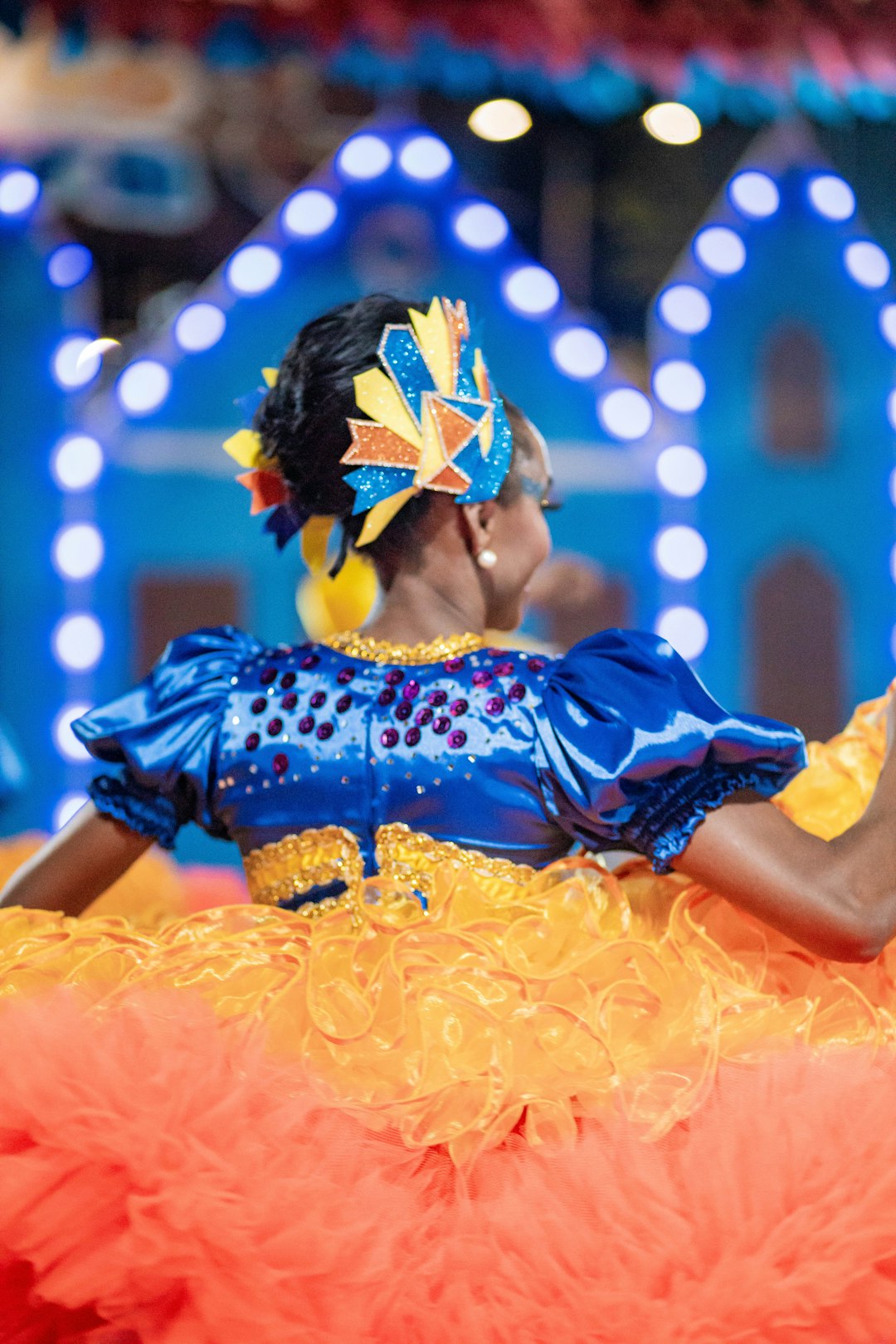
Clothing: Women wear practice skirts with volantes (ruffles) that accentuate hip movement and help you feel the vuelta (turn). Men wear fitted pants and button shirts that allow arm extension. Avoid baggy clothing that obscures your lines.
Surface: Practice on sprung wood floors. Concrete and tile destroy joints; carpet muffles your sound and encourages bad habits. If home practice is unavoidable, use a plywood board over carpet.
Step 5: Build a Sustainable Practice
Flamenco rewards consistency over intensity. Structure your sessions:
- 10 minutes: Palmas and rhythm exercises—clap palmas sordas (muffled