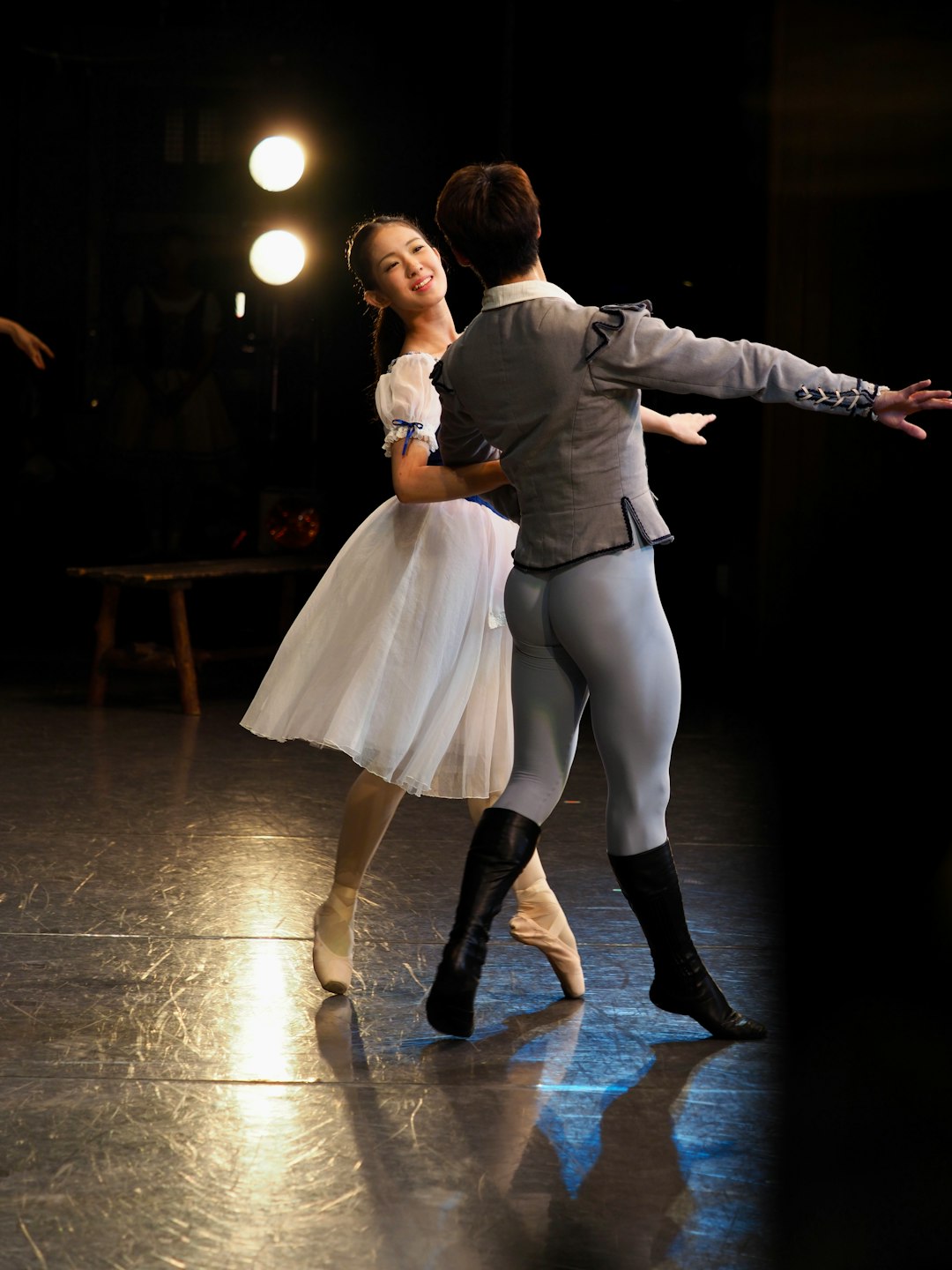
Your first flamenco class will likely end with your calves burning and your palms stinging from failed attempts at palmas (hand clapping). This is correct. Flamenco demands everything you have—and rewards those who return anyway.
Unlike other dance forms, flamenco isn't about polished perfection. It's about duende, that raw, emotional force that transforms movement into something urgent and alive. Whether you're 22 or 62, whether you've danced before or never stepped onto a studio floor, flamenco will meet you where you are. But it won't coddle you.
Here's how to begin your journey with intention, practical preparation, and respect for this centuries-old Andalusian art form.
What Makes Flamenco Different (And Why It Matters)
Before you search for classes or buy shoes, understand what you're entering. Flamenco isn't solo performance set to background music—it's a conversation between dancer (bailaor/bailaora), singer (cante), guitarist (toque), and rhythm (compás). You are one voice in an ensemble, even when you take center stage.
This changes how you learn. You aren't just memorizing steps; you're learning to listen, respond, and eventually lead through your llamada (a rhythmic call to the musicians). The dance emerges from compás—the cyclical rhythmic structure that governs every palo (flamenco style).
What You'll Need Before Your First Class
Proper Flamenco Shoes (Zapatos)
Street shoes or ballet slippers won't work. Flamenco requires percussive sound produced by nails embedded in the toe and heel of specialized shoes.
For beginners:
- Material: Leather or canvas (canvas is lighter and less expensive for beginners)
- Heel height: 1.5–2 inches (lower heels build ankle strength safely)
- Nails: Metal or fiberglass nails in toe and heel caps
- Budget: $80–$150 for quality beginner pairs; avoid "flamenco-style" costume shoes without proper nails
Brands like Menkes, Begoña Cervera, or Gallardo offer reliable entry-level options. Buy from flamenco specialty retailers, not general dance suppliers.
Clothing That Moves (But Isn't a Costume)
Loose, comfortable clothing that allows full arm extension and deep plie-like bends. A full skirt (falda) helps you see and feel your hip movements, but you don't need a bata de cola (the dramatic long-tailed dress)—that's advanced performance wear, not beginner practice attire.
A Notebook (Yes, Really)
Flamenco vocabulary is extensive and precise. You'll hear terms like braceo (arm work), floreo (finger movements), zapateado (footwork), and marcaje (marking steps). Write them down. The learning curve steepens without this reference.
Finding the Right Teacher and Studio
Not all "flamenco" classes are equal. Some studios teach "flamenco-inspired" fitness classes that borrow surface aesthetics without teaching technique or cultural context.
Questions to ask prospective teachers:
- "What palos do you teach beginners?" (Look for tangos or soleá por bulerías—slower styles with accessible 4-beat or 12-beat compás)
- "Do you incorporate palmas and cante in class?" (Essential for authentic learning)
- "What is your training background?" (Seek teachers with study in Spain or with recognized Spanish masters)
- "Do students perform, and when?" (Performance opportunities should come after solid foundational training, not within weeks)
Red flags: Classes that promise "flamenco fitness" without technique, teachers who can't explain compás, or pressure to perform before you've mastered basic marcaje.
Your First Six Months: A Realistic Roadmap
Month 1–2: Posture and Braceo
Flamenco posture is distinctive: lifted torso, weight slightly forward, arms held in a rounded frame (en jarras or various brazos positions). You'll practice braceo until your shoulders ache. This is foundational—every palo uses these arm positions.
You'll also begin palmas: clapping the compás with the correct soniquete (accent pattern). Most beginners clap on wrong beats. Expect frustration. Persist.
Month 3–4: Marcaje and Basic Zapateado
Marcaje are marking steps that trace the compás without elaborate footwork. You'll learn to walk with compás, to turn (vuelta), and to begin simple *










