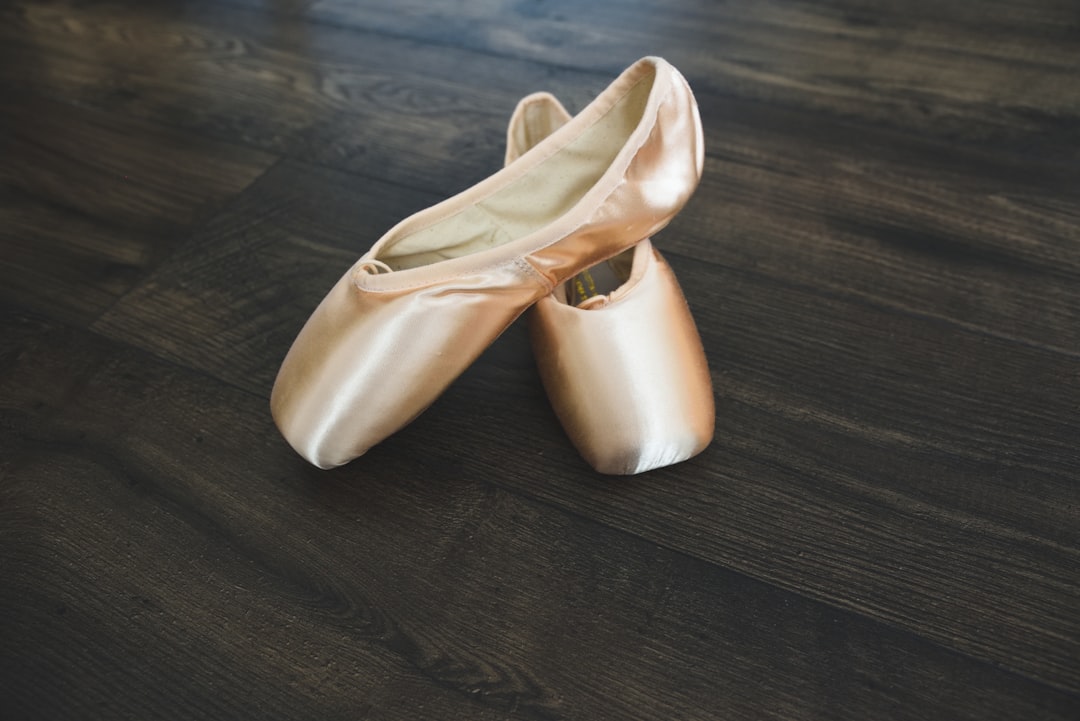
Flamenco is not merely danced—it is lived. Born in the marginalized Gitano, Moorish, and Andalusian communities of southern Spain, this art form fuses centuries of struggle and celebration into something explosive: percussive footwork that becomes drum, hands that slice air like castanets, and a proud, upright posture that dares the audience to look away. For beginners, the path is demanding. The 12-beat rhythmic cycles confound. The shoes destroy floors. The emotional exposure terrifies. But for those who persist, Flamenco offers something rare: complete, unapologetic self-expression within a rigorous tradition.
If you're ready to begin, here's how to start with authenticity and purpose.
1. Find a Teacher Who Honors the Tradition
A Flamenco teacher does more than demonstrate steps—they transmit a cultural inheritance. Seek instructors who have studied in Spain or under Spanish maestros, who understand cante (singing) and toque (guitar) as intimately as baile (dance). The best teachers can explain why a movement matters, not merely how to execute it.
Red flags to avoid: Teachers who offer "Flamenco-inspired" choreography without teaching rhythmic foundation. If students clap on arbitrary beats rather than the compás, look elsewhere. Before committing, observe a class. Watch whether beginners can articulate where they are in the 12-beat cycle. If they look lost, so will you.
2. Practice with Purpose—and Proper Equipment
Unlike other dance forms, Flamenco practice demands specific conditions. The zapateado (footwork) that defines the style requires hard-soled shoes striking resonant surfaces. At home, lay plywood or Marley flooring over carpet to protect your joints and your footwear investment.
Begin your technical work with marcaje—marking steps performed slowly to internalize the 12-beat compás. Use a metronome or specialized Flamenco metronome apps that accent the correct beats. Speed comes later. Precision comes first.
Physical reality check: Flamenco is punishing on knees, ankles, and lower back. Build strength gradually. Ice after practice. The dancers who last decades are those who respect their bodies as instruments.
3. Immerse Yourself in the Music
Flamenco without its music is unthinkable. The dance emerged from cante jondo—"deep song"—and remains inseparable from it. Beginners should understand that different palos (musical forms) demand different emotional and physical approaches:
| Palo | Rhythm | Character | Best For Beginners? |
|---|---|---|---|
| Tangos | 4/4 | Playful, earthy, accessible | Yes—start here |
| Bulerías | 12-beat | Fast, improvisational, celebratory | Eventually—the ultimate test |
| Soleá | 12-beat | Slow, profound, tragic | Yes, for marcaje and braceo |
| Seguiriyas | 12-beat | Severe, ancient, demanding | No—reserved for advanced dancers |
Listen obsessively. Start with Paco de Lucía's guitar work and Camarón de la Isla's vocals. Attend live tablao performances where you can watch the interplay between dancer, singer, and guitarist. Notice how the dancer listens—this is not solo performance but conversation.
4. Master the Physical Vocabulary
Generic "basic steps" advice wastes your time. Flamenco technique comprises distinct, named elements you must isolate and combine:
- Zapateado: Percussive footwork using toe, heel, and ball strikes with absolute clarity
- Braceo: Arm movements that frame the body, originating from the back and shoulder, never floppy
- Floreo: Finger and wrist movements that extend energy outward like flowering branches
- Posture: Elevated chest, dropped weight, grounded yet lifted—arrogant in the best sense
Drill these separately before attempting combinations. A braceo without floreo looks incomplete. Zapateado without compás is merely noise.
5. Develop Your Duende—But Earn It
Andalusian poet Federico García Lorca described duende as the mysterious power everyone feels but no philosopher can explain—the spirit of earth, the cry of blood, the authentic shudder of art. In Flamenco, technique is the vessel; duende is what spills over.
However, duende cannot be faked. It emerges only when technical mastery becomes unconscious, when